Rising Adoption of Continuous Glucose Monitors in Medicare Advantage: Trends from 2021–2023
April 13, 2026




Brand Name :
Paradione
Synonyms :
paramethadione
Class :
Anticonvulsants



Brand Name :
Paradione
Synonyms :
paramethadione
Class :
Anticonvulsants
Dosage Forms & Strengths
Oral Capsule
150mg
300mg
Administer 300mg orally thrice a day
Safety and efficacy not established
Refer adult dosing
may increase the level by affecting hepatic enzyme CYP3A4 metabolism
may increase the level by affecting hepatic enzyme CYP3A4 metabolism
may increase the level by affecting hepatic enzyme CYP3A4 metabolism
may increase the level by affecting hepatic enzyme CYP3A4 metabolism
may increase the level by affecting hepatic enzyme CYP3A4 metabolism
may decrease the level by affecting hepatic enzyme CYP3A4 metabolism
may decrease the level by affecting hepatic enzyme CYP3A4 metabolism
may decrease the level by affecting hepatic enzyme CYP3A4 metabolism
may decrease the level by affecting hepatic enzyme CYP3A4 metabolism
may decrease the level by affecting hepatic enzyme CYP3A4 metabolism
relugolix/estradiol/norethindrone
may increase the level by affecting hepatic enzyme CYP3A4 metabolism
may increase the level by affecting hepatic enzyme CYP3A4 metabolism
may increase the level by affecting hepatic enzyme CYP3A4 metabolism
may increase the level by affecting hepatic enzyme CYP3A4 metabolism
may increase the level by affecting hepatic enzyme CYP3A4 metabolism
may increase the level by affecting the hepatic enzyme CYP3A4 metabolism
may increase the level by affecting the hepatic enzyme CYP3A4 metabolism
may increase the level by affecting hepatic enzyme CYP3A4 metabolism
may increase the level by affecting hepatic enzyme CYP3A4 metabolism
may increase the level by affecting hepatic enzyme CYP3A4 metabolism
may decrease the level by affecting hepatic enzyme CYP3A4 metabolism
may decrease the level by affecting hepatic enzyme CYP3A4 metabolism
may decrease the level by affecting hepatic enzyme CYP3A4 metabolism
may decrease the level by affecting hepatic enzyme CYP3A4 metabolism
may decrease the level by affecting hepatic enzyme CYP3A4 metabolism
May diminish the effects of pharmacodynamic antagonism
May diminish the effects of pharmacodynamic antagonism
May diminish the effects of pharmacodynamic antagonism
May diminish the effects of pharmacodynamic antagonism
May diminish the effects of pharmacodynamic antagonism
may decrease the levels by unspecified interaction mechanism
may decrease the levels by unspecified interaction mechanism
may decrease the levels by unspecified interaction mechanism
may decrease the levels by unspecified interaction mechanism
may decrease the levels by unspecified interaction mechanism
may increase the risk of sedation
may increase the risk of sedation
may increase the risk of sedation
may increase the risk of sedation
may increase the risk of sedation
may enhances the effects of the other by pharmacodynamic synergism
may enhances the effects of the other by pharmacodynamic synergism
may enhances the effects of the other by pharmacodynamic synergism
may enhances the effects of the other by pharmacodynamic synergism
may enhances the effects of the other by pharmacodynamic synergism
It may enhance the risk of adverse effects when combined with Anticonvulsants
Actions and Spectrum:
It works by stabilizing neuronal cell membranes and inhibiting the spread of seizure activity. It likely acts through multiple mechanisms, including:
paramethadione was primarily indicated for treating epilepsy, particularly for generalized and partial seizures. Generalized seizures involve abnormal electrical activity throughout the brain, while partial seizures originate in a specific brain area. paramethadione was not as commonly used as other anticonvulsant medications due to its side effect profile and potential risks.
Frequency not defined
Teratogenecity
Skin reactions
Black box warning:
None
Contraindications/caution:
Contraindications:
Caution:
Pregnancy consideration: Due to the risk of teratogenicity and other adverse effects, paramethadione is generally contraindicated during pregnancy.
Lactation: It is contraindicated during breastfeeding.
Pregnancy category:
Category A: well-controlled and Satisfactory studies show no risk to the fetus in the first or later trimester.
<b>Category B: there was no evidence of risk to the fetus in animal studies, and there were not enough studies on pregnant women.
Category C: there was evidence of risk of adverse effects in animal reproduction studies, and no adequate evidence in human studies must take care of potential risks in pregnant women.
Category D: adequate data with sufficient evidence of human fetal risk from various platforms, but despite the potential risk, and used only in emergency cases for potential benefits.
Category X: Drugs listed in this category outweigh the risks over benefits. Hence these categories of drugs need to be avoided by pregnant women.
Category N: There is no data available for the drug under this category
Pharmacology:
Pharmacokinetics:
Absorption
paramethadione is administered orally as a tablet. It is absorbed from the gastrointestinal tract into the bloodstream.
Distribution
It is distributed throughout the body, including the central nervous system, where it exerts its anticonvulsant effects.
Metabolism
paramethadione undergoes metabolism in the liver via various enzymatic pathways, forming metabolites.
Elimination and Excretion
The metabolites are primarily excreted in the urine, with the kidneys playing a pivotal role in eliminating the drug from the body.
Administration:
Oral administration
paramethadione was usually administered orally, in the form of tablets.
Patient information leaflet
Generic Name: paramethadione
Why do we use paramethadione?
The primary use of paramethadione was to control seizures in individuals with epilepsy. Epilepsy is a neurological disorder characterized by recurrent, unprovoked seizures. paramethadione was indicated for various types of seizures, including:

Both our subscription plans include Free CME/CPD AMA PRA Category 1 credits.
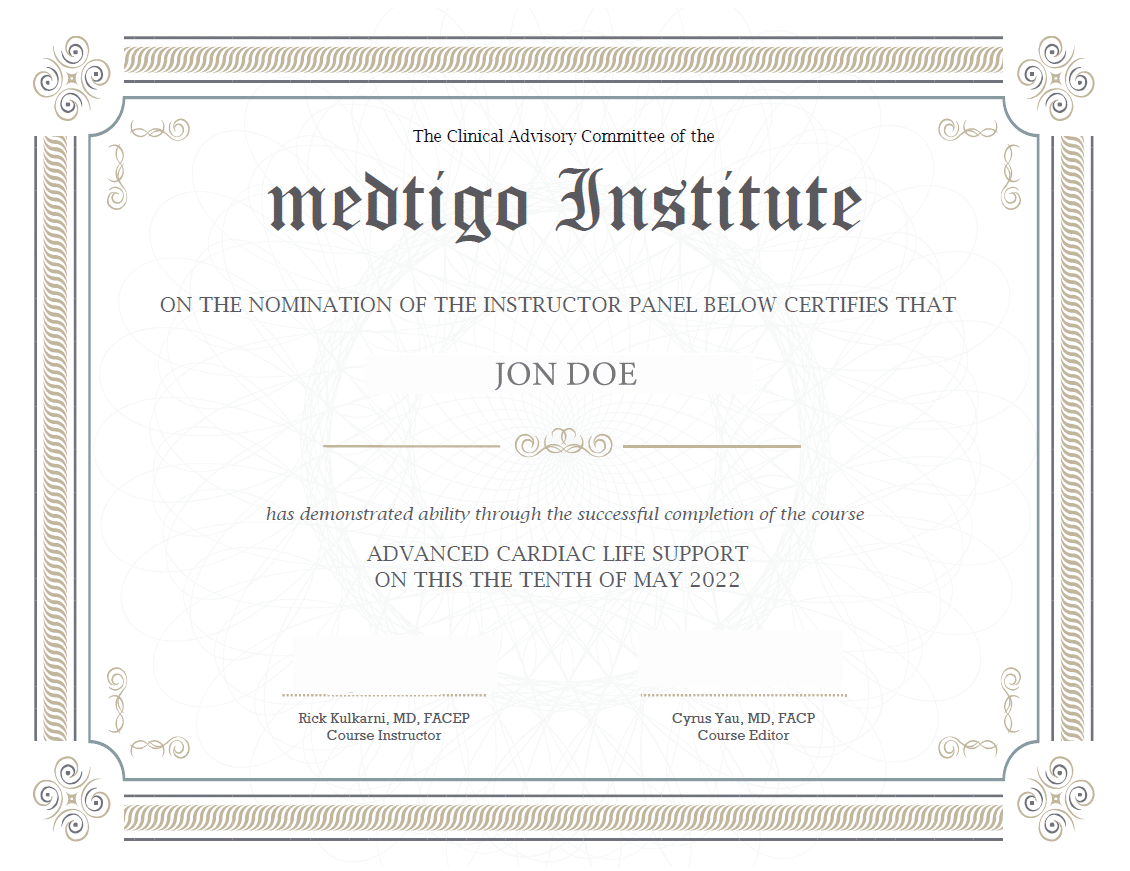
On course completion, you will receive a full-sized presentation quality digital certificate.
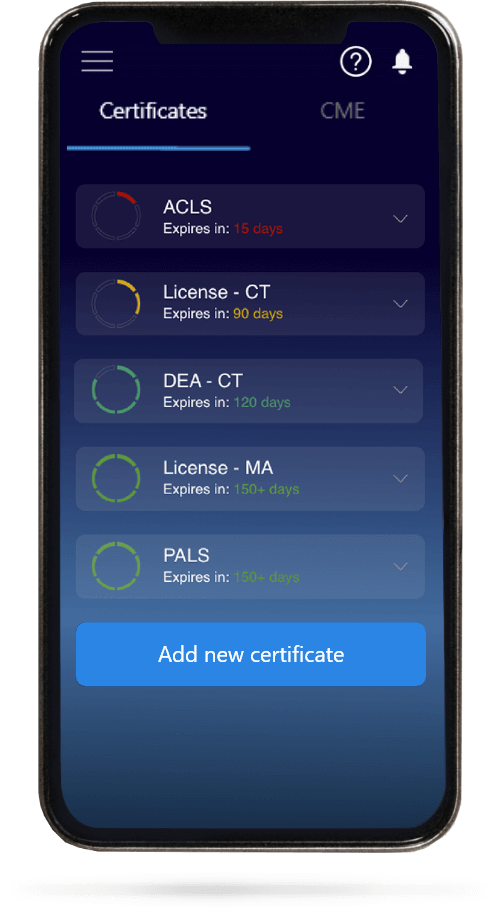
When you have your licenses, certificates and CMEs in one place, it's easier to track your career growth. You can easily share these with hospitals as well, using your medtigo app.