House Bill Proposes Alaska’s Entry Into Interstate Medical Licensure Compact
March 24, 2026




Brand Name :
Skudexa
Synonyms :
Tramadol/ dexketoprofen
Class :
Opioid analgesics, NSAIDS




Brand Name :
Skudexa
Synonyms :
Tramadol/ dexketoprofen
Class :
Opioid analgesics, NSAIDS
Dosage Forms & Strengths
Tablets
Tramadol- 75mg
Dexketoprofen– 25mg
Granules for oral solution
Tramadol- 75mg
Dexketoprofen– 25mg
One tablet or one sachet orally, three times daily, as necessary for five days
Maximum dose: not more than 3 tablets per day
indications: it is indicated for the treatment of moderate to severe pain
Data not available
Dosage Forms & Strengths
Tablets
Tramadol- 75mg
Dexketoprofen- 25mg
Granules for oral solution
Tramadol- 75mg
Dexketoprofen- 25mg
One tablet or one sachet orally thrice daily as necessary
Maximum dose: not more than two tablets per day
In well-tolerated individuals, the maximum dose can be increased to three tablets per day
Dose Adjustments
Renal dose adjustments The initial dose given daily should be reduced to two tablets per day
Actions and spectrum:
Tramadol suppresses pain signals by attaching to opioid receptors in the brain. It blocks pain perception centrally. Dexketoprofen reduces inflammation, pain, and fever. Cyclooxygenase enzymes are inhibited by dexketoprofen. Inflammatory chemicals like prostaglandins and kinins decrease.
Frequency not defined
Tachycardia
Seizures
Inhibition of aggregation of platelets
Myocardial infarction
Asthenia
Dizziness
Somnolence
Hematuria
Laryngeal edema
Pain in the abdomen
Vertigo
Tolerance to drug
Hypotension
Potentially fatal:
Gastrointestinal bleeding
Respiratory depression
Ulceration
Severe hypersensitivity reactions
Rare:
Exfoliative dermatitis
Stevens-Johnson syndrome
Black Box Warning
Do not drive vehicles or operate machinery
Contraindication/Caution:
Contraindication:
Hypersensitivity
Acute rhinitis
Nasal polyps
Angiogenic edema
Urticaria
Bronchospasm
Hemorrhagic diathesis
Coagulation disorders
Ulceration
Gastrointestinal bleeding
Crohn’s disease
Chronic dyspepsia
Varicella infection
Severe hepatic impairment
Moderate to severe kidney failure
Pregnancy
Lactation
Precautions:
Predisposition to hypovolemia
Congestive heart failure
Chronic sinusitis
Hyperlipidemia
Sensitivity to opiates
Chronic rhinitis
Nasal polyposis
Pharmacology:
An opioid analgesic, tramadol, and an NSAID, dexketoprofen, are combined. Tramadol provides pain relief by binding to opioid receptors centrally. Dexketoprofen reduces inflammation locally. Together, they offer potent pain management synergistically. This combination effectively treats moderate to severe pain.
Pharmacodynamics:
Limited data avaialble
Pharmacokinetics:
Absorption
Tramadol quickly enters the bloodstream, with 70-75% absorption. Meanwhile, dexketoprofen also absorbs rapidly.
Distribution
Tramadol distributes throughout bodily fluids, including the brain. Only 20% binds to proteins. In contrast, dexketoprofen exhibits high protein binding at 99%. Additionally, its distribution volume remains under 0.25 l/kg.
Metabolism
Tramadol goes through the liver and changes its shape. It loses some parts of itself. The body also adds sulfur and a different chemical to tramadol. This changing mostly makes O-desmethyl tramadol. Dexketoprofen also changes, but in a different way. Its body adds a chemical called glucuronide.
Elimination and excretion
About 30% of tramadol leaves the body unchanged in pee. 60% leaves as something different. Dexketoprofen mostly leaves as something different too. Tramadol hangs around for about 6 hours. The changed tramadol sticks around longer at 7.4 +- 1.4 hours. Dexketoprofen only hangs around for 1 to 2.7 hours.
Administration:
To be used as advised by the physician
Patient information leaflet
Generic Name: tramadol/ dexketoprofen
Why do we use tramadol/ dexketoprofen?
Tramadol (an opioid) and dexketoprofen (an NSAID) together offer strong pain relief. They work for moderate to severe pain by affecting different pathways. But caution is needed as there may be side effects. Careful monitoring and adjusting doses based on the person is important.

Both our subscription plans include Free CME/CPD AMA PRA Category 1 credits.

On course completion, you will receive a full-sized presentation quality digital certificate.
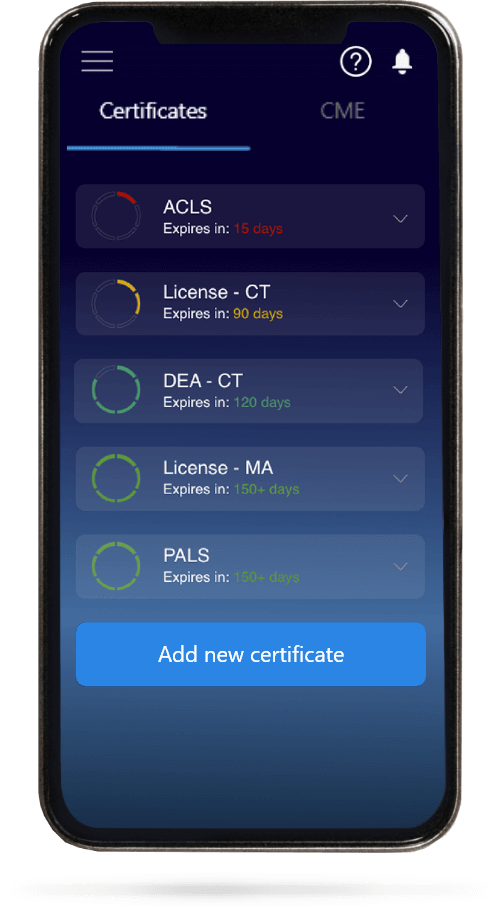
When you have your licenses, certificates and CMEs in one place, it's easier to track your career growth. You can easily share these with hospitals as well, using your medtigo app.