Binge Eating Disorder (BED) is a recognized eating disorder characterized by the episodes of consuming large amounts of food, often accompanied by a sense of loss of control. Unlike bulimia nervosa, individuals with BED do not engage in compensatory behaviors like vomiting or excessive exercise after binge eating episodes. BED was recognized as an eating disorder in DSM-5.
It can significantly impact physical and emotional well-being, and individuals often experience feelings of guilt, shame, and distress after binge eating episodes.
BED is a complex condition influenced by genetic, psychological, social, and environmental factors, and it often coexists with other mental health disorders like depression, anxiety, and obesity. Effective treatment approaches, including psychotherapy, cognitive-behavioral therapy, and medication, aim to address both the physical and psychological aspects of BED and promote healthier eating behaviors and emotional well-being.
Epidemiology
Prevalence: Binge Eating Disorder affects individuals of all ages, genders, and backgrounds. It is estimated to affect around 1-3% of the general population. It is more prevalent in women, but it is also diagnosed in men.
Age of Onset: BED can develop in late adolescence or adulthood, typically in the late teens to early 20s. However, it can also emerge later in life.
Coexistence with Obesity: BED is commonly associated with obesity. It is estimated that approximately 30-50% of individuals seeking weight loss treatment have BED.
Impact on Mental Health: Individuals with BED often experience significant emotional distress, including feelings of guilt, shame, and low self-esteem. The disorder can be associated with other mental health conditions like depression, anxiety, and substance abuse.
Health Consequences: BED can lead to various physical health complications, including obesity, high blood pressure, diabetes, and cardiovascular issues. It may also worsen existing health conditions.
Quality of Life: The disorder can significantly impair an individual’s quality of life, affecting social interactions, relationships, work, and daily functioning.
Underdiagnosis: Despite its prevalence, BED is often underdiagnosed and undertreated. Many individuals may not seek help due to stigma or lack of awareness about the disorder.
Anatomy
Pathophysiology
Neurobiological Factors:
Reward System Dysfunction: Neurotransmitters such as dopamine, which play a role in the brain’s reward system, may be involved in the reinforcement of binge eating behaviors. Dysregulation of this system could contribute to the compulsive nature of binge eating.
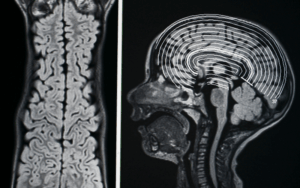
Hypothalamus and Hunger Regulation: Disruptions in the brain’s hypothalamus, responsible for regulating hunger and satiety, may lead to dysregulated eating patterns and overconsumption of food.
Genetic Factors:
Family History: There is evidence of a genetic component to BED, as individuals with a family history of eating disorders or obesity may have a higher risk of developing BED.
Shared Genetic Traits: BED shares genetic risk factors with the other mental health disorders like depression & anxiety, suggesting a common genetic vulnerability.
Psychological Factors:
Emotional Regulation: Binge eating may serve as a way to deal with negative emotions, stress, or distress. Emotional dysregulation and difficulty managing emotions could contribute to the development of BED.
Body Dissatisfaction: Dissatisfaction with one’s body image and appearance can contribute to the initiation and maintenance of binge eating behaviors.
Environmental Factors:
Dieting and Restriction: Repeated cycles of dieting, weight loss, and subsequent weight gain may contribute to a loss of control over eating and lead to binge eating episodes.
Sociocultural Influences: Societal emphasis on thinness, body image ideals, and cultural norms around food and eating may contribute to body dissatisfaction and binge eating.
Neurocognitive Factors:
Impulsivity: Impulsivity and difficulties with inhibitory control may play a role in the inability to stop or regulate binge eating behaviors.
Cognitive Distortions: Distorted thoughts and beliefs about food, body image, and eating may contribute to the development of BED.
Gut-Brain Axis:
Emerging research suggests that the gut-brain axis, which involves communication between gut and brain, may influence appetite regulation and eating behaviors. Imbalances in gut microbiota could potentially play a role in BED.
Etiology
Genetic Factors:
Family History: Individuals with a family history of eating disorders, obesity, or other mental health conditions may have a higher risk of developing BED.
Shared Genetic Traits: BED shares genetic risk factors with mental health disorders like depression & anxiety, indicating a genetic predisposition.
Neurobiological Factors:
Dysregulation of Reward System: Neurotransmitters like dopamine, which play a role in the brain’s reward system, may be implicated in the pleasurable aspects of binge eating and the reinforcement of compulsive eating behaviors.
Brain Circuitry: Brain regions involved in appetite regulation, impulse control, and emotional processing, such as the hypothalamus and prefrontal cortex, may function differently in individuals with BED.
Psychological Factors:
Emotional Regulation: Binge eating may serve as a maladaptive coping mechanism for managing negative emotions, stress, or distress.
Body Dissatisfaction: Dissatisfaction with body image and appearance may contribute to the initiation and maintenance of binge eating behaviors.
Environmental Factors:
Dieting and Restriction: Cycles of dieting, weight loss, and subsequent weight gain can disrupt normal eating patterns and lead to a loss of control over eating.
Sociocultural Influences: Societal pressures related to body image ideals, cultural norms around food, and media representations of thinness can contribute to body dissatisfaction and disordered eating.
Childhood Experiences:
Adverse Childhood Events: Traumatic experiences during childhood, such as abuse, neglect, or family dysfunction, may increase the risk of developing BED later in life.
Neurocognitive Factors:
Impulsivity: Impulsive tendencies and difficulties with inhibitory control can contribute to the inability to stop or regulate binge eating behaviors.
Cognitive Distortions: Distorted thoughts and beliefs about food, eating, and body image may play a role in the development and maintenance of BED.
Genetics
Prognostic Factors
Treatment Engagement:
Individuals who actively engage in evidence-based treatments, such as psychotherapy (especially cognitive-behavioral therapy for BED) and medication, tend to have better outcomes.
Adherence to treatment recommendations and consistent participation in therapy sessions contribute to improved prognosis.
Early Intervention:
Early identification and intervention are associated with more favorable outcomes. Prompt diagnosis and treatment can prevent the escalation of binge eating behaviors and associated psychological distress.
Severity of Symptoms:
The severity of binge eating and related psychological symptoms can impact prognosis. Those with milder symptoms may respond more quickly to treatment.Presence of Comorbidities:
The presence of coexisting mental health disorders, such as depression, anxiety, or substance abuse, can influence prognosis. Addressing and managing these comorbidities as part of treatment can lead to better outcomes.
Motivation for Change:
Individuals who are motivated and committed to making positive changes in their eating behaviors and overall well-being are more likely to experience successful outcomes.
Social Support:
Having a strong support system, including family, friends, and support groups, can contribute to better treatment adherence and overall recovery.
Healthy Coping Skills:
Developing healthy coping strategies for managing stress, emotions, and triggers for binge eating is associated with improved prognosis.
Weight Management:
Achieving and maintaining a healthy weight through balanced nutrition and regular physical activity can positively impact the course of BED.
Clinical History
Age of Presentation:
BED can develop at any age, but it often becomes noticeable during adolescence or early adulthood.
Late adolescence and early adulthood (late teens to early 20s) are common periods for the onset of BED symptoms.
Physical Examination
Body Weight and BMI: Measurements of body weight, height, & calculation of Body Mass Index (BMI) can provide information about the individual’s weight status. This can be important for assessing potential associations with obesity or other weight-related health concerns.
Vital Signs: Recording vital signs such as blood pressure, heart rate, and respiratory rate can help assess the individual’s overall health & identify any abnormalities.
Physical Health Assessment: A general physical examination may be conducted to evaluate the individual’s overall health, including signs of any medical conditions that could be contributing to or exacerbated by BED.
Nutritional Assessment: Gathering information about the individual’s dietary habits, nutritional intake, and any potential deficiencies can provide insights into their eating patterns.
Lab Tests: In some cases, healthcare providers may recommend blood tests to assess metabolic and hormonal factors, as well as to rule out medical conditions that could mimic or contribute to BED.
Age group
Associated comorbidity
BED frequently coexists with other mental health disorders, such as:
Depression: Individuals with BED may experience depressive symptoms, including sadness, low energy, and changes in sleep and appetite.
Anxiety: generalized anxiety disorder or the social anxiety disorder, can commonly co-occur with BED.
Substance Abuse: Individuals may use substances, including alcohol or drugs, as a way to cope with emotional distress related to BED.
Obesity: BED is often associated with obesity, which can contribute to various physical health concerns.
Associated activity
Acuity of presentation
Gradual Onset: BED symptoms may develop gradually over time, with episodes of binge eating becoming more frequent and intense.
Acute Distress: Individuals may seek help when experiencing acute distress related to binge eating episodes, emotional struggles, or the impact of the disorder on daily life.
Differential Diagnoses
Bulimia Nervosa (BN):
Both BED and BN involve episodes of binge eating, but in BN, individuals engage in compensatory behaviors (e.g., vomiting, excessive exercise) to prevent weight gain.
Unlike BED, BN is associated with recurrent inappropriate compensatory behaviors and a strong emphasis on body shape and weight.
Anorexia Nervosa (AN):
It involves severe restriction of food intake leading to significantly low body weight.
While individuals with BED can be of normal weight or overweight, those with AN are typically underweight.
AN also involves distorted body image and an intense fear of gaining weight, which are not primary features of BED.
Generalized Anxiety Disorder (GAD):
It is characterized by excessive anxiety about various aspects of life.
Some individuals with GAD may have emotional overeating episodes, but the primary focus is on worry rather than binge eating behavior.
Major Depressive Disorder (MDD):
Depression can be associated with overeating episodes, sometimes referred to as “depressive overeating.”
However, in MDD, the overeating is usually related to a lack of interest in food or a change in appetite due to low mood, while in BED, it is characterized by a loss of control during binges.
Substance Use Disorders (e.g., Binge Eating):
Substance use disorders involving drugs, alcohol, or certain medications can lead to binge-like eating behavior.
Differentiating between BED and substance-induced binge eating is important for appropriate treatment planning.
Laboratory Studies
Imaging Studies
Procedures
Histologic Findings
Staging
Treatment Paradigm
Assessment and Diagnosis:
Accurate diagnosis by a qualified mental health professional based on diagnostic criteria and clinical evaluation.
Assessment of the frequency and severity of binge eating episodes, emotional triggers, and associated behaviors.
Psychotherapy:
Cognitive-Behavioral Therapy (CBT): A cornerstone of BED treatment, CBT focuses on changing negative thought patterns, addressing emotional triggers, and establishing regular eating patterns.
Interpersonal Psychotherapy (IPT): It Focuses on improving interpersonal relationships and communication to address emotional issues related to binge eating.
Dialectical Behavior Therapy (DBT): Incorporates mindfulness and emotion regulation skills to manage impulsivity and emotional distress.
Medication:
Pharmacotherapy may be considered, especially for individuals with severe BED or when psychotherapy alone is not sufficient.
Selective Serotonin Reuptake Inhibitors (SSRIs) or Vyvanse (Lisdexamfetamine) may be prescribed to reduce binge eating episodes.
Lifestyle Modifications:
Encouraging regular physical activity, stress reduction techniques, and healthy sleep habits to support overall well-being.
Orlistat is available both over-the-counter (Alli) and as a prescription medication (Xenical).
It acts by inhibiting the activity of enzymes that break down dietary fats, resulting in decreased fat absorption in the intestine.
Orlistat has been studied as a potential treatment for BED due to its impact on dietary fat consumption, which may influence satiety and reduce binge eating episodes.
Use of Anticonvulsants in the treatment of Binge Eating Disorder
CBT is one of the most widely studied and effective treatments for BED.
It focuses on identifying & changing negative thought patterns and behaviors associated with binge eating.
CBT helps individuals learn to recognize triggers for binge eating, develop strategies to manage cravings, and build healthier habits.
Interpersonal Psychotherapy (IPT):
It focuses on improving interpersonal relationships and communication skills.
It explores how interpersonal conflicts and stressors may contribute to binge eating and helps individuals develop healthier ways to cope with these issues.
Dialectical Behavior Therapy (DBT):
DBT combines cognitive-behavioral techniques with mindfulness and acceptance strategies.
It helps individuals regulate emotions, tolerate distress, and improve the ability to manage triggers & cravings.
Mindfulness-Based Interventions:
Mindfulness-based approaches, such as Mindfulness-Based Eating Awareness Training (MB-EAT), teach individuals to be present in the moment, observe their thoughts and emotions without judgment, and make conscious choices about eating behaviors.
Acceptance and Commitment Therapy (ACT):
ACT helps individuals identify their values and commit to making behavior changes aligned with those values.
It emphasizes acceptance of difficult emotions and teaches mindfulness skills to manage cravings and impulses.
Supportive Psychotherapy:
Supportive therapy provides a safe and nonjudgmental space for individuals to express their thoughts & feelings.
management-of-binge-eating-disorder
Acute Phase:
Goals: The primary goal of the acute phase is to reduce the frequency and severity of binge eating episodes and establish stabilization.
Psychotherapy: Individuals may engage in structured therapy sessions to learn coping skills, identify triggers, and develop strategies to manage cravings and emotional triggers.
Medication: Medications, such as antidepressants or other off-label options, may be prescribed to address underlying mood or anxiety symptoms and help control binge eating.
Nutritional Counseling: Nutritional guidance helps individuals develop a balanced and mindful approach to eating, including regular meals and snacks.
Psychoeducation: Individuals learn about BED, its causes, and the importance of adherence to treatment.
Continuation Phase:
Goals: The continuation phase aims to consolidate gains made during the acute phase and continue progress toward sustained symptom reduction.
Treatment Focus: During this phase, therapy continues, but the frequency of sessions may decrease. The focus shifts to building on the coping skills learned in the acute phase and addressing any relapse risks.
Relapse Prevention: Individuals work on identifying high-risk situations, developing strategies to manage stressors, and implementing healthy coping mechanisms.
Medication Adjustment: Medication management may involve fine-tuning the dosage or switching to a different medication if needed.
Integration of Skills: Individuals practice applying the skills learned in therapy to real-life situations and develop a strong foundation for long-term recovery.
Maintenance Phase:
Goals: The maintenance phase aims for sustained remission of binge eating behaviors and the prevention of relapse.
Treatment Focus: During this phase, the emphasis is on maintaining progress, preventing relapse, and ensuring ongoing psychological well-being.
Less Frequent Sessions: Therapy sessions become less frequent and may focus on reviewing progress, reinforcing coping strategies, and addressing any emerging challenges.
Long-Term Strategies: Individuals continue to practice skills independently and integrate them into their daily lives. They develop a deeper understanding of their triggers and implement strategies to manage them.
Regular Check-Ins: Periodic check-ins with the treatment team help monitor progress, address any potential setbacks, and provide ongoing support.
Binge Eating Disorder (BED) is a recognized eating disorder characterized by the episodes of consuming large amounts of food, often accompanied by a sense of loss of control. Unlike bulimia nervosa, individuals with BED do not engage in compensatory behaviors like vomiting or excessive exercise after binge eating episodes. BED was recognized as an eating disorder in DSM-5.
It can significantly impact physical and emotional well-being, and individuals often experience feelings of guilt, shame, and distress after binge eating episodes.
BED is a complex condition influenced by genetic, psychological, social, and environmental factors, and it often coexists with other mental health disorders like depression, anxiety, and obesity. Effective treatment approaches, including psychotherapy, cognitive-behavioral therapy, and medication, aim to address both the physical and psychological aspects of BED and promote healthier eating behaviors and emotional well-being.
Prevalence: Binge Eating Disorder affects individuals of all ages, genders, and backgrounds. It is estimated to affect around 1-3% of the general population. It is more prevalent in women, but it is also diagnosed in men.
Age of Onset: BED can develop in late adolescence or adulthood, typically in the late teens to early 20s. However, it can also emerge later in life.
Coexistence with Obesity: BED is commonly associated with obesity. It is estimated that approximately 30-50% of individuals seeking weight loss treatment have BED.
Impact on Mental Health: Individuals with BED often experience significant emotional distress, including feelings of guilt, shame, and low self-esteem. The disorder can be associated with other mental health conditions like depression, anxiety, and substance abuse.
Health Consequences: BED can lead to various physical health complications, including obesity, high blood pressure, diabetes, and cardiovascular issues. It may also worsen existing health conditions.
Quality of Life: The disorder can significantly impair an individual’s quality of life, affecting social interactions, relationships, work, and daily functioning.
Underdiagnosis: Despite its prevalence, BED is often underdiagnosed and undertreated. Many individuals may not seek help due to stigma or lack of awareness about the disorder.
Neurobiological Factors:
Reward System Dysfunction: Neurotransmitters such as dopamine, which play a role in the brain’s reward system, may be involved in the reinforcement of binge eating behaviors. Dysregulation of this system could contribute to the compulsive nature of binge eating.
Hypothalamus and Hunger Regulation: Disruptions in the brain’s hypothalamus, responsible for regulating hunger and satiety, may lead to dysregulated eating patterns and overconsumption of food.
Genetic Factors:
Family History: There is evidence of a genetic component to BED, as individuals with a family history of eating disorders or obesity may have a higher risk of developing BED.
Shared Genetic Traits: BED shares genetic risk factors with the other mental health disorders like depression & anxiety, suggesting a common genetic vulnerability.
Psychological Factors:
Emotional Regulation: Binge eating may serve as a way to deal with negative emotions, stress, or distress. Emotional dysregulation and difficulty managing emotions could contribute to the development of BED.
Body Dissatisfaction: Dissatisfaction with one’s body image and appearance can contribute to the initiation and maintenance of binge eating behaviors.
Environmental Factors:
Dieting and Restriction: Repeated cycles of dieting, weight loss, and subsequent weight gain may contribute to a loss of control over eating and lead to binge eating episodes.
Sociocultural Influences: Societal emphasis on thinness, body image ideals, and cultural norms around food and eating may contribute to body dissatisfaction and binge eating.
Neurocognitive Factors:
Impulsivity: Impulsivity and difficulties with inhibitory control may play a role in the inability to stop or regulate binge eating behaviors.
Cognitive Distortions: Distorted thoughts and beliefs about food, body image, and eating may contribute to the development of BED.
Gut-Brain Axis:
Emerging research suggests that the gut-brain axis, which involves communication between gut and brain, may influence appetite regulation and eating behaviors. Imbalances in gut microbiota could potentially play a role in BED.
Genetic Factors:
Family History: Individuals with a family history of eating disorders, obesity, or other mental health conditions may have a higher risk of developing BED.
Shared Genetic Traits: BED shares genetic risk factors with mental health disorders like depression & anxiety, indicating a genetic predisposition.
Neurobiological Factors:
Dysregulation of Reward System: Neurotransmitters like dopamine, which play a role in the brain’s reward system, may be implicated in the pleasurable aspects of binge eating and the reinforcement of compulsive eating behaviors.
Brain Circuitry: Brain regions involved in appetite regulation, impulse control, and emotional processing, such as the hypothalamus and prefrontal cortex, may function differently in individuals with BED.
Psychological Factors:
Emotional Regulation: Binge eating may serve as a maladaptive coping mechanism for managing negative emotions, stress, or distress.
Body Dissatisfaction: Dissatisfaction with body image and appearance may contribute to the initiation and maintenance of binge eating behaviors.
Environmental Factors:
Dieting and Restriction: Cycles of dieting, weight loss, and subsequent weight gain can disrupt normal eating patterns and lead to a loss of control over eating.
Sociocultural Influences: Societal pressures related to body image ideals, cultural norms around food, and media representations of thinness can contribute to body dissatisfaction and disordered eating.
Childhood Experiences:
Adverse Childhood Events: Traumatic experiences during childhood, such as abuse, neglect, or family dysfunction, may increase the risk of developing BED later in life.
Neurocognitive Factors:
Impulsivity: Impulsive tendencies and difficulties with inhibitory control can contribute to the inability to stop or regulate binge eating behaviors.
Cognitive Distortions: Distorted thoughts and beliefs about food, eating, and body image may play a role in the development and maintenance of BED.
Treatment Engagement:
Individuals who actively engage in evidence-based treatments, such as psychotherapy (especially cognitive-behavioral therapy for BED) and medication, tend to have better outcomes.
Adherence to treatment recommendations and consistent participation in therapy sessions contribute to improved prognosis.
Early Intervention:
Early identification and intervention are associated with more favorable outcomes. Prompt diagnosis and treatment can prevent the escalation of binge eating behaviors and associated psychological distress.
Severity of Symptoms:
The severity of binge eating and related psychological symptoms can impact prognosis. Those with milder symptoms may respond more quickly to treatment.Presence of Comorbidities:
The presence of coexisting mental health disorders, such as depression, anxiety, or substance abuse, can influence prognosis. Addressing and managing these comorbidities as part of treatment can lead to better outcomes.
Motivation for Change:
Individuals who are motivated and committed to making positive changes in their eating behaviors and overall well-being are more likely to experience successful outcomes.
Social Support:
Having a strong support system, including family, friends, and support groups, can contribute to better treatment adherence and overall recovery.
Healthy Coping Skills:
Developing healthy coping strategies for managing stress, emotions, and triggers for binge eating is associated with improved prognosis.
Weight Management:
Achieving and maintaining a healthy weight through balanced nutrition and regular physical activity can positively impact the course of BED.
Age of Presentation:
BED can develop at any age, but it often becomes noticeable during adolescence or early adulthood.
Late adolescence and early adulthood (late teens to early 20s) are common periods for the onset of BED symptoms.
Body Weight and BMI: Measurements of body weight, height, & calculation of Body Mass Index (BMI) can provide information about the individual’s weight status. This can be important for assessing potential associations with obesity or other weight-related health concerns.
Vital Signs: Recording vital signs such as blood pressure, heart rate, and respiratory rate can help assess the individual’s overall health & identify any abnormalities.
Physical Health Assessment: A general physical examination may be conducted to evaluate the individual’s overall health, including signs of any medical conditions that could be contributing to or exacerbated by BED.
Nutritional Assessment: Gathering information about the individual’s dietary habits, nutritional intake, and any potential deficiencies can provide insights into their eating patterns.
Lab Tests: In some cases, healthcare providers may recommend blood tests to assess metabolic and hormonal factors, as well as to rule out medical conditions that could mimic or contribute to BED.
BED frequently coexists with other mental health disorders, such as:
Depression: Individuals with BED may experience depressive symptoms, including sadness, low energy, and changes in sleep and appetite.
Anxiety: generalized anxiety disorder or the social anxiety disorder, can commonly co-occur with BED.
Substance Abuse: Individuals may use substances, including alcohol or drugs, as a way to cope with emotional distress related to BED.
Obesity: BED is often associated with obesity, which can contribute to various physical health concerns.
Gradual Onset: BED symptoms may develop gradually over time, with episodes of binge eating becoming more frequent and intense.
Acute Distress: Individuals may seek help when experiencing acute distress related to binge eating episodes, emotional struggles, or the impact of the disorder on daily life.
Bulimia Nervosa (BN):
Both BED and BN involve episodes of binge eating, but in BN, individuals engage in compensatory behaviors (e.g., vomiting, excessive exercise) to prevent weight gain.
Unlike BED, BN is associated with recurrent inappropriate compensatory behaviors and a strong emphasis on body shape and weight.
Anorexia Nervosa (AN):
It involves severe restriction of food intake leading to significantly low body weight.
While individuals with BED can be of normal weight or overweight, those with AN are typically underweight.
AN also involves distorted body image and an intense fear of gaining weight, which are not primary features of BED.
Generalized Anxiety Disorder (GAD):
It is characterized by excessive anxiety about various aspects of life.
Some individuals with GAD may have emotional overeating episodes, but the primary focus is on worry rather than binge eating behavior.
Major Depressive Disorder (MDD):
Depression can be associated with overeating episodes, sometimes referred to as “depressive overeating.”
However, in MDD, the overeating is usually related to a lack of interest in food or a change in appetite due to low mood, while in BED, it is characterized by a loss of control during binges.
Substance Use Disorders (e.g., Binge Eating):
Substance use disorders involving drugs, alcohol, or certain medications can lead to binge-like eating behavior.
Differentiating between BED and substance-induced binge eating is important for appropriate treatment planning.
Assessment and Diagnosis:
Accurate diagnosis by a qualified mental health professional based on diagnostic criteria and clinical evaluation.
Assessment of the frequency and severity of binge eating episodes, emotional triggers, and associated behaviors.
Psychotherapy:
Cognitive-Behavioral Therapy (CBT): A cornerstone of BED treatment, CBT focuses on changing negative thought patterns, addressing emotional triggers, and establishing regular eating patterns.
Interpersonal Psychotherapy (IPT): It Focuses on improving interpersonal relationships and communication to address emotional issues related to binge eating.
Dialectical Behavior Therapy (DBT): Incorporates mindfulness and emotion regulation skills to manage impulsivity and emotional distress.
Medication:
Pharmacotherapy may be considered, especially for individuals with severe BED or when psychotherapy alone is not sufficient.
Selective Serotonin Reuptake Inhibitors (SSRIs) or Vyvanse (Lisdexamfetamine) may be prescribed to reduce binge eating episodes.
Lifestyle Modifications:
Encouraging regular physical activity, stress reduction techniques, and healthy sleep habits to support overall well-being.
Lifestyle modifications:
Regular Eating Patterns:
Establish consistent meal times and avoid skipping meals to prevent extreme hunger that can trigger binge eating episodes.
Hydration:
Drink an adequate amount of water throughout the day to stay hydrated and help manage feelings of hunger.
Food Environment:
Create an environment that supports healthy eating by keeping tempting foods out of sight and stocking the kitchen with nutritious options.
Stress Management:
stress-reduction techniques like deep breathing, meditation, yoga, or progressive muscle relaxation to manage emotional triggers.
Physical Activity:
Engage in physical activities like walking, jogging, dancing, or swimming.
Sleep Hygiene:
Prioritize getting adequate sleep to support overall well-being and reduce the risk of fatigue-related triggers for binge eating.
Social Support:
Maintain connections with friends, family, and support groups to reduce feelings of isolation and provide a sense of belonging.
Coping Strategies:
Develop healthy coping strategies for managing emotions and stress, such as journaling, art, music, or talking to a therapist.
Portion Control:
Practice portion control to prevent overeating. Use smaller plates and bowls to help regulate portion sizes.
Positive Body Image:
Focus on body acceptance and self-compassion. Avoid negative self-talk and work on building a positive body image.
Orlistat is available both over-the-counter (Alli) and as a prescription medication (Xenical).
It acts by inhibiting the activity of enzymes that break down dietary fats, resulting in decreased fat absorption in the intestine.
Orlistat has been studied as a potential treatment for BED due to its impact on dietary fat consumption, which may influence satiety and reduce binge eating episodes.
Lamotrigine is an anticonvulsant commonly used for mood disorders such as bipolar disorder and epilepsy.
Some studies have explored its potential role in reducing binge eating episodes.
Cognitive-Behavioral Therapy (CBT):
CBT is one of the most widely studied and effective treatments for BED.
It focuses on identifying & changing negative thought patterns and behaviors associated with binge eating.
CBT helps individuals learn to recognize triggers for binge eating, develop strategies to manage cravings, and build healthier habits.
Interpersonal Psychotherapy (IPT):
It focuses on improving interpersonal relationships and communication skills.
It explores how interpersonal conflicts and stressors may contribute to binge eating and helps individuals develop healthier ways to cope with these issues.
Dialectical Behavior Therapy (DBT):
DBT combines cognitive-behavioral techniques with mindfulness and acceptance strategies.
It helps individuals regulate emotions, tolerate distress, and improve the ability to manage triggers & cravings.
Mindfulness-Based Interventions:
Mindfulness-based approaches, such as Mindfulness-Based Eating Awareness Training (MB-EAT), teach individuals to be present in the moment, observe their thoughts and emotions without judgment, and make conscious choices about eating behaviors.
Acceptance and Commitment Therapy (ACT):
ACT helps individuals identify their values and commit to making behavior changes aligned with those values.
It emphasizes acceptance of difficult emotions and teaches mindfulness skills to manage cravings and impulses.
Supportive Psychotherapy:
Supportive therapy provides a safe and nonjudgmental space for individuals to express their thoughts & feelings.
Acute Phase:
Goals: The primary goal of the acute phase is to reduce the frequency and severity of binge eating episodes and establish stabilization.
Psychotherapy: Individuals may engage in structured therapy sessions to learn coping skills, identify triggers, and develop strategies to manage cravings and emotional triggers.
Medication: Medications, such as antidepressants or other off-label options, may be prescribed to address underlying mood or anxiety symptoms and help control binge eating.
Nutritional Counseling: Nutritional guidance helps individuals develop a balanced and mindful approach to eating, including regular meals and snacks.
Psychoeducation: Individuals learn about BED, its causes, and the importance of adherence to treatment.
Continuation Phase:
Goals: The continuation phase aims to consolidate gains made during the acute phase and continue progress toward sustained symptom reduction.
Treatment Focus: During this phase, therapy continues, but the frequency of sessions may decrease. The focus shifts to building on the coping skills learned in the acute phase and addressing any relapse risks.
Relapse Prevention: Individuals work on identifying high-risk situations, developing strategies to manage stressors, and implementing healthy coping mechanisms.
Medication Adjustment: Medication management may involve fine-tuning the dosage or switching to a different medication if needed.
Integration of Skills: Individuals practice applying the skills learned in therapy to real-life situations and develop a strong foundation for long-term recovery.
Maintenance Phase:
Goals: The maintenance phase aims for sustained remission of binge eating behaviors and the prevention of relapse.
Treatment Focus: During this phase, the emphasis is on maintaining progress, preventing relapse, and ensuring ongoing psychological well-being.
Less Frequent Sessions: Therapy sessions become less frequent and may focus on reviewing progress, reinforcing coping strategies, and addressing any emerging challenges.
Long-Term Strategies: Individuals continue to practice skills independently and integrate them into their daily lives. They develop a deeper understanding of their triggers and implement strategies to manage them.
Regular Check-Ins: Periodic check-ins with the treatment team help monitor progress, address any potential setbacks, and provide ongoing support.
Binge Eating Disorder (BED) is a recognized eating disorder characterized by the episodes of consuming large amounts of food, often accompanied by a sense of loss of control. Unlike bulimia nervosa, individuals with BED do not engage in compensatory behaviors like vomiting or excessive exercise after binge eating episodes. BED was recognized as an eating disorder in DSM-5.
It can significantly impact physical and emotional well-being, and individuals often experience feelings of guilt, shame, and distress after binge eating episodes.
BED is a complex condition influenced by genetic, psychological, social, and environmental factors, and it often coexists with other mental health disorders like depression, anxiety, and obesity. Effective treatment approaches, including psychotherapy, cognitive-behavioral therapy, and medication, aim to address both the physical and psychological aspects of BED and promote healthier eating behaviors and emotional well-being.
Prevalence: Binge Eating Disorder affects individuals of all ages, genders, and backgrounds. It is estimated to affect around 1-3% of the general population. It is more prevalent in women, but it is also diagnosed in men.
Age of Onset: BED can develop in late adolescence or adulthood, typically in the late teens to early 20s. However, it can also emerge later in life.
Coexistence with Obesity: BED is commonly associated with obesity. It is estimated that approximately 30-50% of individuals seeking weight loss treatment have BED.
Impact on Mental Health: Individuals with BED often experience significant emotional distress, including feelings of guilt, shame, and low self-esteem. The disorder can be associated with other mental health conditions like depression, anxiety, and substance abuse.
Health Consequences: BED can lead to various physical health complications, including obesity, high blood pressure, diabetes, and cardiovascular issues. It may also worsen existing health conditions.
Quality of Life: The disorder can significantly impair an individual’s quality of life, affecting social interactions, relationships, work, and daily functioning.
Underdiagnosis: Despite its prevalence, BED is often underdiagnosed and undertreated. Many individuals may not seek help due to stigma or lack of awareness about the disorder.
Neurobiological Factors:
Reward System Dysfunction: Neurotransmitters such as dopamine, which play a role in the brain’s reward system, may be involved in the reinforcement of binge eating behaviors. Dysregulation of this system could contribute to the compulsive nature of binge eating.
Hypothalamus and Hunger Regulation: Disruptions in the brain’s hypothalamus, responsible for regulating hunger and satiety, may lead to dysregulated eating patterns and overconsumption of food.
Genetic Factors:
Family History: There is evidence of a genetic component to BED, as individuals with a family history of eating disorders or obesity may have a higher risk of developing BED.
Shared Genetic Traits: BED shares genetic risk factors with the other mental health disorders like depression & anxiety, suggesting a common genetic vulnerability.
Psychological Factors:
Emotional Regulation: Binge eating may serve as a way to deal with negative emotions, stress, or distress. Emotional dysregulation and difficulty managing emotions could contribute to the development of BED.
Body Dissatisfaction: Dissatisfaction with one’s body image and appearance can contribute to the initiation and maintenance of binge eating behaviors.
Environmental Factors:
Dieting and Restriction: Repeated cycles of dieting, weight loss, and subsequent weight gain may contribute to a loss of control over eating and lead to binge eating episodes.
Sociocultural Influences: Societal emphasis on thinness, body image ideals, and cultural norms around food and eating may contribute to body dissatisfaction and binge eating.
Neurocognitive Factors:
Impulsivity: Impulsivity and difficulties with inhibitory control may play a role in the inability to stop or regulate binge eating behaviors.
Cognitive Distortions: Distorted thoughts and beliefs about food, body image, and eating may contribute to the development of BED.
Gut-Brain Axis:
Emerging research suggests that the gut-brain axis, which involves communication between gut and brain, may influence appetite regulation and eating behaviors. Imbalances in gut microbiota could potentially play a role in BED.
Genetic Factors:
Family History: Individuals with a family history of eating disorders, obesity, or other mental health conditions may have a higher risk of developing BED.
Shared Genetic Traits: BED shares genetic risk factors with mental health disorders like depression & anxiety, indicating a genetic predisposition.
Neurobiological Factors:
Dysregulation of Reward System: Neurotransmitters like dopamine, which play a role in the brain’s reward system, may be implicated in the pleasurable aspects of binge eating and the reinforcement of compulsive eating behaviors.
Brain Circuitry: Brain regions involved in appetite regulation, impulse control, and emotional processing, such as the hypothalamus and prefrontal cortex, may function differently in individuals with BED.
Psychological Factors:
Emotional Regulation: Binge eating may serve as a maladaptive coping mechanism for managing negative emotions, stress, or distress.
Body Dissatisfaction: Dissatisfaction with body image and appearance may contribute to the initiation and maintenance of binge eating behaviors.
Environmental Factors:
Dieting and Restriction: Cycles of dieting, weight loss, and subsequent weight gain can disrupt normal eating patterns and lead to a loss of control over eating.
Sociocultural Influences: Societal pressures related to body image ideals, cultural norms around food, and media representations of thinness can contribute to body dissatisfaction and disordered eating.
Childhood Experiences:
Adverse Childhood Events: Traumatic experiences during childhood, such as abuse, neglect, or family dysfunction, may increase the risk of developing BED later in life.
Neurocognitive Factors:
Impulsivity: Impulsive tendencies and difficulties with inhibitory control can contribute to the inability to stop or regulate binge eating behaviors.
Cognitive Distortions: Distorted thoughts and beliefs about food, eating, and body image may play a role in the development and maintenance of BED.
Treatment Engagement:
Individuals who actively engage in evidence-based treatments, such as psychotherapy (especially cognitive-behavioral therapy for BED) and medication, tend to have better outcomes.
Adherence to treatment recommendations and consistent participation in therapy sessions contribute to improved prognosis.
Early Intervention:
Early identification and intervention are associated with more favorable outcomes. Prompt diagnosis and treatment can prevent the escalation of binge eating behaviors and associated psychological distress.
Severity of Symptoms:
The severity of binge eating and related psychological symptoms can impact prognosis. Those with milder symptoms may respond more quickly to treatment.Presence of Comorbidities:
The presence of coexisting mental health disorders, such as depression, anxiety, or substance abuse, can influence prognosis. Addressing and managing these comorbidities as part of treatment can lead to better outcomes.
Motivation for Change:
Individuals who are motivated and committed to making positive changes in their eating behaviors and overall well-being are more likely to experience successful outcomes.
Social Support:
Having a strong support system, including family, friends, and support groups, can contribute to better treatment adherence and overall recovery.
Healthy Coping Skills:
Developing healthy coping strategies for managing stress, emotions, and triggers for binge eating is associated with improved prognosis.
Weight Management:
Achieving and maintaining a healthy weight through balanced nutrition and regular physical activity can positively impact the course of BED.
Age of Presentation:
BED can develop at any age, but it often becomes noticeable during adolescence or early adulthood.
Late adolescence and early adulthood (late teens to early 20s) are common periods for the onset of BED symptoms.
Body Weight and BMI: Measurements of body weight, height, & calculation of Body Mass Index (BMI) can provide information about the individual’s weight status. This can be important for assessing potential associations with obesity or other weight-related health concerns.
Vital Signs: Recording vital signs such as blood pressure, heart rate, and respiratory rate can help assess the individual’s overall health & identify any abnormalities.
Physical Health Assessment: A general physical examination may be conducted to evaluate the individual’s overall health, including signs of any medical conditions that could be contributing to or exacerbated by BED.
Nutritional Assessment: Gathering information about the individual’s dietary habits, nutritional intake, and any potential deficiencies can provide insights into their eating patterns.
Lab Tests: In some cases, healthcare providers may recommend blood tests to assess metabolic and hormonal factors, as well as to rule out medical conditions that could mimic or contribute to BED.
BED frequently coexists with other mental health disorders, such as:
Depression: Individuals with BED may experience depressive symptoms, including sadness, low energy, and changes in sleep and appetite.
Anxiety: generalized anxiety disorder or the social anxiety disorder, can commonly co-occur with BED.
Substance Abuse: Individuals may use substances, including alcohol or drugs, as a way to cope with emotional distress related to BED.
Obesity: BED is often associated with obesity, which can contribute to various physical health concerns.
Gradual Onset: BED symptoms may develop gradually over time, with episodes of binge eating becoming more frequent and intense.
Acute Distress: Individuals may seek help when experiencing acute distress related to binge eating episodes, emotional struggles, or the impact of the disorder on daily life.
Bulimia Nervosa (BN):
Both BED and BN involve episodes of binge eating, but in BN, individuals engage in compensatory behaviors (e.g., vomiting, excessive exercise) to prevent weight gain.
Unlike BED, BN is associated with recurrent inappropriate compensatory behaviors and a strong emphasis on body shape and weight.
Anorexia Nervosa (AN):
It involves severe restriction of food intake leading to significantly low body weight.
While individuals with BED can be of normal weight or overweight, those with AN are typically underweight.
AN also involves distorted body image and an intense fear of gaining weight, which are not primary features of BED.
Generalized Anxiety Disorder (GAD):
It is characterized by excessive anxiety about various aspects of life.
Some individuals with GAD may have emotional overeating episodes, but the primary focus is on worry rather than binge eating behavior.
Major Depressive Disorder (MDD):
Depression can be associated with overeating episodes, sometimes referred to as “depressive overeating.”
However, in MDD, the overeating is usually related to a lack of interest in food or a change in appetite due to low mood, while in BED, it is characterized by a loss of control during binges.
Substance Use Disorders (e.g., Binge Eating):
Substance use disorders involving drugs, alcohol, or certain medications can lead to binge-like eating behavior.
Differentiating between BED and substance-induced binge eating is important for appropriate treatment planning.
Assessment and Diagnosis:
Accurate diagnosis by a qualified mental health professional based on diagnostic criteria and clinical evaluation.
Assessment of the frequency and severity of binge eating episodes, emotional triggers, and associated behaviors.
Psychotherapy:
Cognitive-Behavioral Therapy (CBT): A cornerstone of BED treatment, CBT focuses on changing negative thought patterns, addressing emotional triggers, and establishing regular eating patterns.
Interpersonal Psychotherapy (IPT): It Focuses on improving interpersonal relationships and communication to address emotional issues related to binge eating.
Dialectical Behavior Therapy (DBT): Incorporates mindfulness and emotion regulation skills to manage impulsivity and emotional distress.
Medication:
Pharmacotherapy may be considered, especially for individuals with severe BED or when psychotherapy alone is not sufficient.
Selective Serotonin Reuptake Inhibitors (SSRIs) or Vyvanse (Lisdexamfetamine) may be prescribed to reduce binge eating episodes.
Lifestyle Modifications:
Encouraging regular physical activity, stress reduction techniques, and healthy sleep habits to support overall well-being.
Lifestyle modifications:
Regular Eating Patterns:
Establish consistent meal times and avoid skipping meals to prevent extreme hunger that can trigger binge eating episodes.
Hydration:
Drink an adequate amount of water throughout the day to stay hydrated and help manage feelings of hunger.
Food Environment:
Create an environment that supports healthy eating by keeping tempting foods out of sight and stocking the kitchen with nutritious options.
Stress Management:
stress-reduction techniques like deep breathing, meditation, yoga, or progressive muscle relaxation to manage emotional triggers.
Physical Activity:
Engage in physical activities like walking, jogging, dancing, or swimming.
Sleep Hygiene:
Prioritize getting adequate sleep to support overall well-being and reduce the risk of fatigue-related triggers for binge eating.
Social Support:
Maintain connections with friends, family, and support groups to reduce feelings of isolation and provide a sense of belonging.
Coping Strategies:
Develop healthy coping strategies for managing emotions and stress, such as journaling, art, music, or talking to a therapist.
Portion Control:
Practice portion control to prevent overeating. Use smaller plates and bowls to help regulate portion sizes.
Positive Body Image:
Focus on body acceptance and self-compassion. Avoid negative self-talk and work on building a positive body image.
Orlistat is available both over-the-counter (Alli) and as a prescription medication (Xenical).
It acts by inhibiting the activity of enzymes that break down dietary fats, resulting in decreased fat absorption in the intestine.
Orlistat has been studied as a potential treatment for BED due to its impact on dietary fat consumption, which may influence satiety and reduce binge eating episodes.
Lamotrigine is an anticonvulsant commonly used for mood disorders such as bipolar disorder and epilepsy.
Some studies have explored its potential role in reducing binge eating episodes.
Cognitive-Behavioral Therapy (CBT):
CBT is one of the most widely studied and effective treatments for BED.
It focuses on identifying & changing negative thought patterns and behaviors associated with binge eating.
CBT helps individuals learn to recognize triggers for binge eating, develop strategies to manage cravings, and build healthier habits.
Interpersonal Psychotherapy (IPT):
It focuses on improving interpersonal relationships and communication skills.
It explores how interpersonal conflicts and stressors may contribute to binge eating and helps individuals develop healthier ways to cope with these issues.
Dialectical Behavior Therapy (DBT):
DBT combines cognitive-behavioral techniques with mindfulness and acceptance strategies.
It helps individuals regulate emotions, tolerate distress, and improve the ability to manage triggers & cravings.
Mindfulness-Based Interventions:
Mindfulness-based approaches, such as Mindfulness-Based Eating Awareness Training (MB-EAT), teach individuals to be present in the moment, observe their thoughts and emotions without judgment, and make conscious choices about eating behaviors.
Acceptance and Commitment Therapy (ACT):
ACT helps individuals identify their values and commit to making behavior changes aligned with those values.
It emphasizes acceptance of difficult emotions and teaches mindfulness skills to manage cravings and impulses.
Supportive Psychotherapy:
Supportive therapy provides a safe and nonjudgmental space for individuals to express their thoughts & feelings.
Acute Phase:
Goals: The primary goal of the acute phase is to reduce the frequency and severity of binge eating episodes and establish stabilization.
Psychotherapy: Individuals may engage in structured therapy sessions to learn coping skills, identify triggers, and develop strategies to manage cravings and emotional triggers.
Medication: Medications, such as antidepressants or other off-label options, may be prescribed to address underlying mood or anxiety symptoms and help control binge eating.
Nutritional Counseling: Nutritional guidance helps individuals develop a balanced and mindful approach to eating, including regular meals and snacks.
Psychoeducation: Individuals learn about BED, its causes, and the importance of adherence to treatment.
Continuation Phase:
Goals: The continuation phase aims to consolidate gains made during the acute phase and continue progress toward sustained symptom reduction.
Treatment Focus: During this phase, therapy continues, but the frequency of sessions may decrease. The focus shifts to building on the coping skills learned in the acute phase and addressing any relapse risks.
Relapse Prevention: Individuals work on identifying high-risk situations, developing strategies to manage stressors, and implementing healthy coping mechanisms.
Medication Adjustment: Medication management may involve fine-tuning the dosage or switching to a different medication if needed.
Integration of Skills: Individuals practice applying the skills learned in therapy to real-life situations and develop a strong foundation for long-term recovery.
Maintenance Phase:
Goals: The maintenance phase aims for sustained remission of binge eating behaviors and the prevention of relapse.
Treatment Focus: During this phase, the emphasis is on maintaining progress, preventing relapse, and ensuring ongoing psychological well-being.
Less Frequent Sessions: Therapy sessions become less frequent and may focus on reviewing progress, reinforcing coping strategies, and addressing any emerging challenges.
Long-Term Strategies: Individuals continue to practice skills independently and integrate them into their daily lives. They develop a deeper understanding of their triggers and implement strategies to manage them.
Regular Check-Ins: Periodic check-ins with the treatment team help monitor progress, address any potential setbacks, and provide ongoing support.
Both our subscription plans include Free CME/CPD AMA PRA Category 1 credits.
Digital Certificate PDF
On course completion, you will receive a full-sized presentation quality digital certificate.
medtigo Simulation
A dynamic medical simulation platform designed to train healthcare professionals and students to effectively run code situations through an immersive hands-on experience in a live, interactive 3D environment.
medtigo Points
medtigo points is our unique point redemption system created to award users for interacting on our site. These points can be redeemed for special discounts on the medtigo marketplace as well as towards the membership cost itself.
Community Forum post/reply = 5 points
*Redemption of points can occur only through the medtigo marketplace, courses, or simulation system. Money will not be credited to your bank account. 10 points = $1.
All Your Certificates in One Place
When you have your licenses, certificates and CMEs in one place, it's easier to track your career growth. You can easily share these with hospitals as well, using your medtigo app.