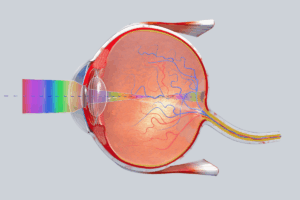
World’s First Human Implant of a 3D-Printed Cornea Restores Sight
December 15, 2025






Background
Bullous myringitis is a condition characterized by the formation of small fluid-filled blisters or bullae on the eardrum (tympanic membrane). It is considered a subtype of acute otitis media, which is an infection of the middle ear. Bullous myringitis is relatively uncommon and typically affects children and young adults.
The term “bullous” refers to the presence of bullae or blisters, while “myringitis” refers to inflammation of the eardrum. The bullae can vary in size and may cause discomfort, pain, and hearing impairment. The condition is usually caused by bacterial or viral infections, with the most common causative agents being the bacteria Streptococcus pneumoniae or Haemophilus influenzae.
Epidemiology
Bullous myringitis is a relatively uncommon condition, and the available data on its epidemiology are limited. However, here is some information regarding its prevalence and affected population:
Anatomy
Pathophysiology
The exact pathophysiology of bullous myringitis is not fully understood. However, it is believed to involve a combination of infection, inflammation, and immune response within the middle ear. The following is a general overview of the proposed pathophysiological mechanisms:
Etiology
Bullous myringitis is primarily caused by bacterial or viral infections. The specific etiology of bullous myringitis can vary, and the condition may be associated with different pathogens or underlying factors. Here are the main etiological factors involved:
Genetics
Prognostic Factors
The prognosis of bullous myringitis is generally good with appropriate treatment. With timely and effective management, most cases of bullous myringitis resolve without complications. However, the prognosis may vary depending on several factors, including the underlying cause, the individual’s overall health, and the presence of any predisposing factors.
Here are some key points regarding the prognosis of bullous myringitis:
Clinical History
Clinical history
The clinical history of a patient with bullous myringitis typically includes the following aspects:
Physical Examination
Physical examination
During a physical examination of a patient suspected of having bullous myringitis, the healthcare professional will assess various aspects related to the ears and surrounding structures. Here are the key components of the physical examination:
Age group
Associated comorbidity
Associated activity
Acuity of presentation
Differential Diagnoses
Differential diagnosis
When evaluating a patient with symptoms suggestive of bullous myringitis, it is important to consider other conditions that may present with similar clinical features. The following are some potential differential diagnoses to consider:
These are just a few potential differential diagnoses for bullous myringitis. The accurate diagnosis of bullous myringitis requires a thorough examination of the ear by a healthcare professional, such as an otolaryngologist, and may involve additional investigations, such as ear swabs or viral studies, if necessary.
Laboratory Studies
Imaging Studies
Procedures
Histologic Findings
Staging
Treatment Paradigm
The treatment of bullous myringitis typically involves a combination of symptomatic relief and targeted therapy to address the underlying infection. The specific treatment approach may vary depending on the severity of symptoms, the causative organism, and individual patient factors. Here are some common treatment options:
Pain Management:
Antibiotics:
Bacterial Infection: If the bullous myringitis is suspected to be caused by a bacterial infection or there is clinical evidence of a bacterial component, antibiotic therapy may be prescribed. Commonly used antibiotics include amoxicillin, amoxicillin-clavulanate, or macrolides such as azithromycin or clarithromycin. The choice of antibiotic and duration of treatment will depend on local antibiotic resistance patterns and the patient’s individual factors.
Antivirals (in selected cases):
Ear Care:
Follow-up:
by Stage
by Modality
Chemotherapy
Radiation Therapy
Surgical Interventions
Hormone Therapy
Immunotherapy
Hyperthermia
Photodynamic Therapy
Stem Cell Transplant
Targeted Therapy
Palliative Care
Medication
Future Trends
References
https://www.ncbi.nlm.nih.gov/books/NBK553029/
Bullous myringitis is a condition characterized by the formation of small fluid-filled blisters or bullae on the eardrum (tympanic membrane). It is considered a subtype of acute otitis media, which is an infection of the middle ear. Bullous myringitis is relatively uncommon and typically affects children and young adults.
The term “bullous” refers to the presence of bullae or blisters, while “myringitis” refers to inflammation of the eardrum. The bullae can vary in size and may cause discomfort, pain, and hearing impairment. The condition is usually caused by bacterial or viral infections, with the most common causative agents being the bacteria Streptococcus pneumoniae or Haemophilus influenzae.
Bullous myringitis is a relatively uncommon condition, and the available data on its epidemiology are limited. However, here is some information regarding its prevalence and affected population:
The exact pathophysiology of bullous myringitis is not fully understood. However, it is believed to involve a combination of infection, inflammation, and immune response within the middle ear. The following is a general overview of the proposed pathophysiological mechanisms:
Bullous myringitis is primarily caused by bacterial or viral infections. The specific etiology of bullous myringitis can vary, and the condition may be associated with different pathogens or underlying factors. Here are the main etiological factors involved:
The prognosis of bullous myringitis is generally good with appropriate treatment. With timely and effective management, most cases of bullous myringitis resolve without complications. However, the prognosis may vary depending on several factors, including the underlying cause, the individual’s overall health, and the presence of any predisposing factors.
Here are some key points regarding the prognosis of bullous myringitis:
Clinical history
The clinical history of a patient with bullous myringitis typically includes the following aspects:
Physical examination
During a physical examination of a patient suspected of having bullous myringitis, the healthcare professional will assess various aspects related to the ears and surrounding structures. Here are the key components of the physical examination:
Differential diagnosis
When evaluating a patient with symptoms suggestive of bullous myringitis, it is important to consider other conditions that may present with similar clinical features. The following are some potential differential diagnoses to consider:
These are just a few potential differential diagnoses for bullous myringitis. The accurate diagnosis of bullous myringitis requires a thorough examination of the ear by a healthcare professional, such as an otolaryngologist, and may involve additional investigations, such as ear swabs or viral studies, if necessary.
The treatment of bullous myringitis typically involves a combination of symptomatic relief and targeted therapy to address the underlying infection. The specific treatment approach may vary depending on the severity of symptoms, the causative organism, and individual patient factors. Here are some common treatment options:
Pain Management:
Antibiotics:
Bacterial Infection: If the bullous myringitis is suspected to be caused by a bacterial infection or there is clinical evidence of a bacterial component, antibiotic therapy may be prescribed. Commonly used antibiotics include amoxicillin, amoxicillin-clavulanate, or macrolides such as azithromycin or clarithromycin. The choice of antibiotic and duration of treatment will depend on local antibiotic resistance patterns and the patient’s individual factors.
Antivirals (in selected cases):
Ear Care:
Follow-up:
https://www.ncbi.nlm.nih.gov/books/NBK553029/

Bullous myringitis is a condition characterized by the formation of small fluid-filled blisters or bullae on the eardrum (tympanic membrane). It is considered a subtype of acute otitis media, which is an infection of the middle ear. Bullous myringitis is relatively uncommon and typically affects children and young adults.
The term “bullous” refers to the presence of bullae or blisters, while “myringitis” refers to inflammation of the eardrum. The bullae can vary in size and may cause discomfort, pain, and hearing impairment. The condition is usually caused by bacterial or viral infections, with the most common causative agents being the bacteria Streptococcus pneumoniae or Haemophilus influenzae.
Bullous myringitis is a relatively uncommon condition, and the available data on its epidemiology are limited. However, here is some information regarding its prevalence and affected population:
The exact pathophysiology of bullous myringitis is not fully understood. However, it is believed to involve a combination of infection, inflammation, and immune response within the middle ear. The following is a general overview of the proposed pathophysiological mechanisms:
Bullous myringitis is primarily caused by bacterial or viral infections. The specific etiology of bullous myringitis can vary, and the condition may be associated with different pathogens or underlying factors. Here are the main etiological factors involved:
The prognosis of bullous myringitis is generally good with appropriate treatment. With timely and effective management, most cases of bullous myringitis resolve without complications. However, the prognosis may vary depending on several factors, including the underlying cause, the individual’s overall health, and the presence of any predisposing factors.
Here are some key points regarding the prognosis of bullous myringitis:
Clinical history
The clinical history of a patient with bullous myringitis typically includes the following aspects:
Physical examination
During a physical examination of a patient suspected of having bullous myringitis, the healthcare professional will assess various aspects related to the ears and surrounding structures. Here are the key components of the physical examination:
Differential diagnosis
When evaluating a patient with symptoms suggestive of bullous myringitis, it is important to consider other conditions that may present with similar clinical features. The following are some potential differential diagnoses to consider:
These are just a few potential differential diagnoses for bullous myringitis. The accurate diagnosis of bullous myringitis requires a thorough examination of the ear by a healthcare professional, such as an otolaryngologist, and may involve additional investigations, such as ear swabs or viral studies, if necessary.
The treatment of bullous myringitis typically involves a combination of symptomatic relief and targeted therapy to address the underlying infection. The specific treatment approach may vary depending on the severity of symptoms, the causative organism, and individual patient factors. Here are some common treatment options:
Pain Management:
Antibiotics:
Bacterial Infection: If the bullous myringitis is suspected to be caused by a bacterial infection or there is clinical evidence of a bacterial component, antibiotic therapy may be prescribed. Commonly used antibiotics include amoxicillin, amoxicillin-clavulanate, or macrolides such as azithromycin or clarithromycin. The choice of antibiotic and duration of treatment will depend on local antibiotic resistance patterns and the patient’s individual factors.
Antivirals (in selected cases):
Ear Care:
Follow-up:
https://www.ncbi.nlm.nih.gov/books/NBK553029/

Both our subscription plans include Free CME/CPD AMA PRA Category 1 credits.

On course completion, you will receive a full-sized presentation quality digital certificate.
A dynamic medical simulation platform designed to train healthcare professionals and students to effectively run code situations through an immersive hands-on experience in a live, interactive 3D environment.

When you have your licenses, certificates and CMEs in one place, it's easier to track your career growth. You can easily share these with hospitals as well, using your medtigo app.