Bursitis is an inflamed or swollen bursa. A bursa is a fluid-filled sac near bones and muscles. Humans have over 150 bursae. They cushion tissues that rub during movement. If bursitis occurs, the bursa swells with fluid. This causes pain when moving or pressing on it. Several things can cause bursitis. These include infections, overuse injuries, trauma, and inflammatory disorders. However, not all bursitis results from inflammation itself. Sometimes, a harmful stimulus causes the bursal swelling instead of an inflammatory condition.
Epidemiology
Bursitis happens when people get older, but anyone could get it. Some types like trochanteric bursitis seem more common for women. How many cases exist is different based on the region. Things like being able to get healthcare or knowing about bursitis affect the numbers. The elderly are more likely to develop bursitis because of other conditions like osteoarthritis or chronic diseases. Diabetes, rheumatoid arthritis, alcoholism, or HIV all mean a weaker immune system, raising septic bursitis risk.
Anatomy
Pathophysiology
Bursitis happens when the bursae get inflamed. Bursae are small, fluid-filled sacs that cushion joints. They let bones, tendons, and muscles move smoothly. Repetitive motions, too much pressure, injuries, infections, or conditions like rheumatoid arthritis can disrupt normal bursa function. This causes pain, swelling, and limited joint movement. The synovial lining in the bursa gets thicker. The bursa can’t make enough synovial fluid. Cytokines are released. White blood cells come in. The inflammation worsens. Pain happens when the inflamed bursa gets squished against nearby structures. If not treated, chronic bursitis develops. The bursa structure changes. Understanding how bursitis works is key for treating symptoms, reducing inflammation, and addressing root causes.
Etiology
Bursitis happens when bursae get stressed between bone and firm stuff. It might come from things like pressing something hard for too much time. Doing repetitive moves can torment those little bursae too. Second most common cause is injury, where that bursa gets pushed on directly. If you get hurt there’s a bigger chance of septic bursitis, like if skin pokes into the bursa first. Staphylococcus aureus bacteria likes causing those infected bursa sacs. Autoimmune issues like arthritis or gout could lead to bursitis. Invasive treatments and even idiopathic origins with no known cause fit in here as well. Regardless, that poor little bursa gets overworked beyond belief.
Genetics
Prognostic Factors
Often, bursitis cases are outpatient-treated because they tend to heal well. They may recur if triggers continue. Overuse or trauma-caused acute bursitis tends to improve with simple care. Long-term needs lifestyle adjustments, physical therapy, and corticosteroid injections to relieve flare-ups. Managing underlying conditions like rheumatoid arthritis or gout proves vital for favorable prognosis in bursitis linked to them.
Clinical History
Bursitis shows up in two key ways: lasting and sudden. They’re pretty different. Doctors look at your history and daily life to tell these apart from other problems.
Acute Bursitis
Acute bursitis comes up quickly from recent injury, strain, or overuse. Pain, swelling, and redness happen all at once around the joint. Inflammation is big here, but symptoms usually go away in a few weeks with treatment.
Chronic Bursitis
Chronic bursitis builds up slowly, with lingering or repeating symptoms over time. It brings constant pain, swelling, and stiff mobility. Bone spurs or thicker bursa sacs may form. Symptoms stick around longer, with flare-ups of inflammation and pain happening again and again.
Physical Examination
Severe bursitis causes evident swelling around the joint. The bursa becomes visibly enlarged, and the skin appears red and warm. Touching the bursa results in tenderness, with patients experiencing sharp or intense pain. Movement of the joint may be restricted due to pain and swelling, leading to impaired functioning.
Long-term bursitis involves persistent or recurring swelling near the affected joint, although less pronounced than acute cases. Prolonged inflammation can thicken the bursa and surrounding tissues, causing a noticeable mass or thickened areas upon examination. Patients typically report dull, achy pain that persists over time, becoming more noticeable with movements or activities. Chronic inflammation can limit joint flexibility and cause structural changes like bony growths or calcifications.
Age group
Associated comorbidity
Associated activity
Acuity of presentation
Differential Diagnoses
Osteoarthritis
Rheumatoid Arthritis
Rotator cuff tear
Ankylosing Spondylitis
Achilles Tendinitis
Laboratory Studies
Imaging Studies
Procedures
Histologic Findings
Staging
Treatment Paradigm
Bursitis can be short-term or long-lasting. Knowing this helps plan the right care. Most bursitis goes away on its own. But some things can help ease pain and get you moving better. For short-term bursitis, resting, icing, and medicines that reduce swelling may work well. Long-term bursitis might need more. Physical therapy could strengthen muscles and fix problems. Sometimes surgery is needed to fix issues causing ongoing swelling and pain.
Conservative Measures:
Rest: Rest lets the body heal. Don’t do things that make your symptoms worse. Ice helps reduce swelling and pain.
Ice: Apply ice for short periods, many times each day.
Compression: Compression bandages or sleeves control swelling. They also support the affected area.
Elevation: E Raising the injured limb above heart level minimizes swelling. It helps healing.
Pharmacological Interventions:
Pain Relievers: Over-the-counter meds like ibuprofen or acetaminophen can ease bursitis discomfort.
Corticosteroid Injections: But for deep cases, docs may inject steroids combined with numbing agents. This targeted approach tackles inflammation, pain at the source.
Activity Modification and Ergonomics:
Education about correct movements is crucial to avoid worsening bursitis. Cushions help lessen pressure on specific bursa sacs. Using suitable shoes may provide added support and comfort.
Physical Therapy:
Bursitis rehab employs physical therapy. This involves exercises, stretches, and routines to improve joint function and stop it from recurring.
Protection and Support:
Using padding like a foam cushion for the area around bursitis can reduce pressure. Supportive braces and splints may also help, depending on where the bursitis is located.
Surgical Intervention:
If other treatments don’t work, surgery may be needed to remove the bursitis. This could involve endoscopic or arthroscopic bursa removal for stubborn or recurring cases.
Management of Underlying Conditions:
Managing any underlying inflammatory conditions that contribute to bursitis is key. Septic bursitis may require specific antibiotics to treat the infection.
Use of non-pharmacological approach
The correct footwear helps bursitis patients reduce painful pressure near their Achilles tendon. Learning best movements prevents making symptoms worse. Cushions can shield surface bursae from ongoing force, like a foam ring for deep hip bursa pain. Stretching is key too, along with core strength exercises helping recovery.
by Stage
by Modality
Chemotherapy
Radiation Therapy
Surgical Interventions
Bursitis treatments can involve surgery for persistent or recurring cases. Non-invasive approaches attempt to relieve symptoms and restore function first. Surgery decision weighs benefits against risks carefully.
Bursectomy: A bursectomy removes the affected bursa surgically, done through endoscopic or arthroscopic procedures using small instruments and cameras, minimizing tissue disruption; endoscopic handles bursas, arthroscopic for joint areas.
Repair or Reconstrution: Procedures may repair or reconstruct the affected area if structural abnormalities, injuries contribute to bursal inflammation; treating tendon, ligament issues causing inflammation.
Hormone Therapy
Immunotherapy
Hyperthermia
Photodynamic Therapy
Stem Cell Transplant
Targeted Therapy
Palliative Care
Administration of pharmaceutical agent
Role of systemic antibiotics
In instances where bursitis is triggered by systemic inflammatory conditions, addressing the underlying condition is crucial. In the case of septic bursitis, the primary therapy involves systemic antibiotics effective against gram-positive organisms.
The majority of patients with septic bursitis can undergo outpatient treatment with oral antibiotics, and hospitalization becomes necessary only if systemic or whole-joint involvement is doubted or if the patient displays signs of instability. In certain persistent cases, surgical excision of the bursa can be considered, often performed through arthroscopic or endoscopic procedures.
Fluoroquinolones: Ciprofloxacin and levofloxacin are examples of fluoroquinolones that provide coverage against a range of gram-positive and gram-negative bacteria.
Cephalosporins: Cephalexin, ceftriaxone, or cefazolin are examples of cephalosporins that are effective against a variety of bacterial species, including some gram-positive bacteria.
Penicillins: Amoxicillin and ampicillin may be used in the treatment of bursitis caused by certain bacteria.
Clindamycin: This antibiotic is effective against a broad spectrum of bacteria, including many gram-positive organisms.
The choice of antibiotic may also be influenced by local resistance patterns and the patient’s factors, such as allergies or other medical conditions. Healthcare professionals must conduct appropriate diagnostic tests, including aspiration of the bursa for culture and sensitivity analysis, to tailor antibiotic therapy to the specific pathogen causing the infection.
The definitive selection of antibiotics should be made by a healthcare provider based on the individual patient’s circumstances and the local prevalence of bacterial strains.
For pain relief
As primary agents for pain relief, NSAIDs and acetaminophen are recommended. For deeper bursae, symptomatic relief can be achieved through corticosteroid injections, sometimes combined with a local anesthetic.
Bursitis is an inflamed or swollen bursa. A bursa is a fluid-filled sac near bones and muscles. Humans have over 150 bursae. They cushion tissues that rub during movement. If bursitis occurs, the bursa swells with fluid. This causes pain when moving or pressing on it. Several things can cause bursitis. These include infections, overuse injuries, trauma, and inflammatory disorders. However, not all bursitis results from inflammation itself. Sometimes, a harmful stimulus causes the bursal swelling instead of an inflammatory condition.
Bursitis happens when people get older, but anyone could get it. Some types like trochanteric bursitis seem more common for women. How many cases exist is different based on the region. Things like being able to get healthcare or knowing about bursitis affect the numbers. The elderly are more likely to develop bursitis because of other conditions like osteoarthritis or chronic diseases. Diabetes, rheumatoid arthritis, alcoholism, or HIV all mean a weaker immune system, raising septic bursitis risk.
Bursitis happens when the bursae get inflamed. Bursae are small, fluid-filled sacs that cushion joints. They let bones, tendons, and muscles move smoothly. Repetitive motions, too much pressure, injuries, infections, or conditions like rheumatoid arthritis can disrupt normal bursa function. This causes pain, swelling, and limited joint movement. The synovial lining in the bursa gets thicker. The bursa can’t make enough synovial fluid. Cytokines are released. White blood cells come in. The inflammation worsens. Pain happens when the inflamed bursa gets squished against nearby structures. If not treated, chronic bursitis develops. The bursa structure changes. Understanding how bursitis works is key for treating symptoms, reducing inflammation, and addressing root causes.
Bursitis happens when bursae get stressed between bone and firm stuff. It might come from things like pressing something hard for too much time. Doing repetitive moves can torment those little bursae too. Second most common cause is injury, where that bursa gets pushed on directly. If you get hurt there’s a bigger chance of septic bursitis, like if skin pokes into the bursa first. Staphylococcus aureus bacteria likes causing those infected bursa sacs. Autoimmune issues like arthritis or gout could lead to bursitis. Invasive treatments and even idiopathic origins with no known cause fit in here as well. Regardless, that poor little bursa gets overworked beyond belief.
Often, bursitis cases are outpatient-treated because they tend to heal well. They may recur if triggers continue. Overuse or trauma-caused acute bursitis tends to improve with simple care. Long-term needs lifestyle adjustments, physical therapy, and corticosteroid injections to relieve flare-ups. Managing underlying conditions like rheumatoid arthritis or gout proves vital for favorable prognosis in bursitis linked to them.
Bursitis shows up in two key ways: lasting and sudden. They’re pretty different. Doctors look at your history and daily life to tell these apart from other problems.
Acute Bursitis
Acute bursitis comes up quickly from recent injury, strain, or overuse. Pain, swelling, and redness happen all at once around the joint. Inflammation is big here, but symptoms usually go away in a few weeks with treatment.
Chronic Bursitis
Chronic bursitis builds up slowly, with lingering or repeating symptoms over time. It brings constant pain, swelling, and stiff mobility. Bone spurs or thicker bursa sacs may form. Symptoms stick around longer, with flare-ups of inflammation and pain happening again and again.
Severe bursitis causes evident swelling around the joint. The bursa becomes visibly enlarged, and the skin appears red and warm. Touching the bursa results in tenderness, with patients experiencing sharp or intense pain. Movement of the joint may be restricted due to pain and swelling, leading to impaired functioning.
Long-term bursitis involves persistent or recurring swelling near the affected joint, although less pronounced than acute cases. Prolonged inflammation can thicken the bursa and surrounding tissues, causing a noticeable mass or thickened areas upon examination. Patients typically report dull, achy pain that persists over time, becoming more noticeable with movements or activities. Chronic inflammation can limit joint flexibility and cause structural changes like bony growths or calcifications.
Osteoarthritis
Rheumatoid Arthritis
Rotator cuff tear
Ankylosing Spondylitis
Achilles Tendinitis
Bursitis can be short-term or long-lasting. Knowing this helps plan the right care. Most bursitis goes away on its own. But some things can help ease pain and get you moving better. For short-term bursitis, resting, icing, and medicines that reduce swelling may work well. Long-term bursitis might need more. Physical therapy could strengthen muscles and fix problems. Sometimes surgery is needed to fix issues causing ongoing swelling and pain.
Conservative Measures:
Rest: Rest lets the body heal. Don’t do things that make your symptoms worse. Ice helps reduce swelling and pain.
Ice: Apply ice for short periods, many times each day.
Compression: Compression bandages or sleeves control swelling. They also support the affected area.
Elevation: E Raising the injured limb above heart level minimizes swelling. It helps healing.
Pharmacological Interventions:
Pain Relievers: Over-the-counter meds like ibuprofen or acetaminophen can ease bursitis discomfort.
Corticosteroid Injections: But for deep cases, docs may inject steroids combined with numbing agents. This targeted approach tackles inflammation, pain at the source.
Activity Modification and Ergonomics:
Education about correct movements is crucial to avoid worsening bursitis. Cushions help lessen pressure on specific bursa sacs. Using suitable shoes may provide added support and comfort.
Physical Therapy:
Bursitis rehab employs physical therapy. This involves exercises, stretches, and routines to improve joint function and stop it from recurring.
Protection and Support:
Using padding like a foam cushion for the area around bursitis can reduce pressure. Supportive braces and splints may also help, depending on where the bursitis is located.
Surgical Intervention:
If other treatments don’t work, surgery may be needed to remove the bursitis. This could involve endoscopic or arthroscopic bursa removal for stubborn or recurring cases.
Management of Underlying Conditions:
Managing any underlying inflammatory conditions that contribute to bursitis is key. Septic bursitis may require specific antibiotics to treat the infection.
Use of non-pharmacological approach
The correct footwear helps bursitis patients reduce painful pressure near their Achilles tendon. Learning best movements prevents making symptoms worse. Cushions can shield surface bursae from ongoing force, like a foam ring for deep hip bursa pain. Stretching is key too, along with core strength exercises helping recovery.
Bursitis treatments can involve surgery for persistent or recurring cases. Non-invasive approaches attempt to relieve symptoms and restore function first. Surgery decision weighs benefits against risks carefully.
Bursectomy: A bursectomy removes the affected bursa surgically, done through endoscopic or arthroscopic procedures using small instruments and cameras, minimizing tissue disruption; endoscopic handles bursas, arthroscopic for joint areas.
Repair or Reconstrution: Procedures may repair or reconstruct the affected area if structural abnormalities, injuries contribute to bursal inflammation; treating tendon, ligament issues causing inflammation.
Role of systemic antibiotics
In instances where bursitis is triggered by systemic inflammatory conditions, addressing the underlying condition is crucial. In the case of septic bursitis, the primary therapy involves systemic antibiotics effective against gram-positive organisms.
The majority of patients with septic bursitis can undergo outpatient treatment with oral antibiotics, and hospitalization becomes necessary only if systemic or whole-joint involvement is doubted or if the patient displays signs of instability. In certain persistent cases, surgical excision of the bursa can be considered, often performed through arthroscopic or endoscopic procedures.
Fluoroquinolones: Ciprofloxacin and levofloxacin are examples of fluoroquinolones that provide coverage against a range of gram-positive and gram-negative bacteria.
Cephalosporins: Cephalexin, ceftriaxone, or cefazolin are examples of cephalosporins that are effective against a variety of bacterial species, including some gram-positive bacteria.
Penicillins: Amoxicillin and ampicillin may be used in the treatment of bursitis caused by certain bacteria.
Clindamycin: This antibiotic is effective against a broad spectrum of bacteria, including many gram-positive organisms.
The choice of antibiotic may also be influenced by local resistance patterns and the patient’s factors, such as allergies or other medical conditions. Healthcare professionals must conduct appropriate diagnostic tests, including aspiration of the bursa for culture and sensitivity analysis, to tailor antibiotic therapy to the specific pathogen causing the infection.
The definitive selection of antibiotics should be made by a healthcare provider based on the individual patient’s circumstances and the local prevalence of bacterial strains.
For pain relief
As primary agents for pain relief, NSAIDs and acetaminophen are recommended. For deeper bursae, symptomatic relief can be achieved through corticosteroid injections, sometimes combined with a local anesthetic.
medtigo
Bursitis
Updated :
April 9, 2024
Bursitis is an inflamed or swollen bursa. A bursa is a fluid-filled sac near bones and muscles. Humans have over 150 bursae. They cushion tissues that rub during movement. If bursitis occurs, the bursa swells with fluid. This causes pain when moving or pressing on it. Several things can cause bursitis. These include infections, overuse injuries, trauma, and inflammatory disorders. However, not all bursitis results from inflammation itself. Sometimes, a harmful stimulus causes the bursal swelling instead of an inflammatory condition.
Bursitis happens when people get older, but anyone could get it. Some types like trochanteric bursitis seem more common for women. How many cases exist is different based on the region. Things like being able to get healthcare or knowing about bursitis affect the numbers. The elderly are more likely to develop bursitis because of other conditions like osteoarthritis or chronic diseases. Diabetes, rheumatoid arthritis, alcoholism, or HIV all mean a weaker immune system, raising septic bursitis risk.
Bursitis happens when the bursae get inflamed. Bursae are small, fluid-filled sacs that cushion joints. They let bones, tendons, and muscles move smoothly. Repetitive motions, too much pressure, injuries, infections, or conditions like rheumatoid arthritis can disrupt normal bursa function. This causes pain, swelling, and limited joint movement. The synovial lining in the bursa gets thicker. The bursa can’t make enough synovial fluid. Cytokines are released. White blood cells come in. The inflammation worsens. Pain happens when the inflamed bursa gets squished against nearby structures. If not treated, chronic bursitis develops. The bursa structure changes. Understanding how bursitis works is key for treating symptoms, reducing inflammation, and addressing root causes.
Bursitis happens when bursae get stressed between bone and firm stuff. It might come from things like pressing something hard for too much time. Doing repetitive moves can torment those little bursae too. Second most common cause is injury, where that bursa gets pushed on directly. If you get hurt there’s a bigger chance of septic bursitis, like if skin pokes into the bursa first. Staphylococcus aureus bacteria likes causing those infected bursa sacs. Autoimmune issues like arthritis or gout could lead to bursitis. Invasive treatments and even idiopathic origins with no known cause fit in here as well. Regardless, that poor little bursa gets overworked beyond belief.
Often, bursitis cases are outpatient-treated because they tend to heal well. They may recur if triggers continue. Overuse or trauma-caused acute bursitis tends to improve with simple care. Long-term needs lifestyle adjustments, physical therapy, and corticosteroid injections to relieve flare-ups. Managing underlying conditions like rheumatoid arthritis or gout proves vital for favorable prognosis in bursitis linked to them.
Bursitis shows up in two key ways: lasting and sudden. They’re pretty different. Doctors look at your history and daily life to tell these apart from other problems.
Acute Bursitis
Acute bursitis comes up quickly from recent injury, strain, or overuse. Pain, swelling, and redness happen all at once around the joint. Inflammation is big here, but symptoms usually go away in a few weeks with treatment.
Chronic Bursitis
Chronic bursitis builds up slowly, with lingering or repeating symptoms over time. It brings constant pain, swelling, and stiff mobility. Bone spurs or thicker bursa sacs may form. Symptoms stick around longer, with flare-ups of inflammation and pain happening again and again.
Severe bursitis causes evident swelling around the joint. The bursa becomes visibly enlarged, and the skin appears red and warm. Touching the bursa results in tenderness, with patients experiencing sharp or intense pain. Movement of the joint may be restricted due to pain and swelling, leading to impaired functioning.
Long-term bursitis involves persistent or recurring swelling near the affected joint, although less pronounced than acute cases. Prolonged inflammation can thicken the bursa and surrounding tissues, causing a noticeable mass or thickened areas upon examination. Patients typically report dull, achy pain that persists over time, becoming more noticeable with movements or activities. Chronic inflammation can limit joint flexibility and cause structural changes like bony growths or calcifications.
Osteoarthritis
Rheumatoid Arthritis
Rotator cuff tear
Ankylosing Spondylitis
Achilles Tendinitis
Bursitis can be short-term or long-lasting. Knowing this helps plan the right care. Most bursitis goes away on its own. But some things can help ease pain and get you moving better. For short-term bursitis, resting, icing, and medicines that reduce swelling may work well. Long-term bursitis might need more. Physical therapy could strengthen muscles and fix problems. Sometimes surgery is needed to fix issues causing ongoing swelling and pain.
Conservative Measures:
Rest: Rest lets the body heal. Don’t do things that make your symptoms worse. Ice helps reduce swelling and pain.
Ice: Apply ice for short periods, many times each day.
Compression: Compression bandages or sleeves control swelling. They also support the affected area.
Elevation: E Raising the injured limb above heart level minimizes swelling. It helps healing.
Pharmacological Interventions:
Pain Relievers: Over-the-counter meds like ibuprofen or acetaminophen can ease bursitis discomfort.
Corticosteroid Injections: But for deep cases, docs may inject steroids combined with numbing agents. This targeted approach tackles inflammation, pain at the source.
Activity Modification and Ergonomics:
Education about correct movements is crucial to avoid worsening bursitis. Cushions help lessen pressure on specific bursa sacs. Using suitable shoes may provide added support and comfort.
Physical Therapy:
Bursitis rehab employs physical therapy. This involves exercises, stretches, and routines to improve joint function and stop it from recurring.
Protection and Support:
Using padding like a foam cushion for the area around bursitis can reduce pressure. Supportive braces and splints may also help, depending on where the bursitis is located.
Surgical Intervention:
If other treatments don’t work, surgery may be needed to remove the bursitis. This could involve endoscopic or arthroscopic bursa removal for stubborn or recurring cases.
Management of Underlying Conditions:
Managing any underlying inflammatory conditions that contribute to bursitis is key. Septic bursitis may require specific antibiotics to treat the infection.
Use of non-pharmacological approach
The correct footwear helps bursitis patients reduce painful pressure near their Achilles tendon. Learning best movements prevents making symptoms worse. Cushions can shield surface bursae from ongoing force, like a foam ring for deep hip bursa pain. Stretching is key too, along with core strength exercises helping recovery.
Bursitis treatments can involve surgery for persistent or recurring cases. Non-invasive approaches attempt to relieve symptoms and restore function first. Surgery decision weighs benefits against risks carefully.
Bursectomy: A bursectomy removes the affected bursa surgically, done through endoscopic or arthroscopic procedures using small instruments and cameras, minimizing tissue disruption; endoscopic handles bursas, arthroscopic for joint areas.
Repair or Reconstrution: Procedures may repair or reconstruct the affected area if structural abnormalities, injuries contribute to bursal inflammation; treating tendon, ligament issues causing inflammation.
Role of systemic antibiotics
In instances where bursitis is triggered by systemic inflammatory conditions, addressing the underlying condition is crucial. In the case of septic bursitis, the primary therapy involves systemic antibiotics effective against gram-positive organisms.
The majority of patients with septic bursitis can undergo outpatient treatment with oral antibiotics, and hospitalization becomes necessary only if systemic or whole-joint involvement is doubted or if the patient displays signs of instability. In certain persistent cases, surgical excision of the bursa can be considered, often performed through arthroscopic or endoscopic procedures.
Fluoroquinolones: Ciprofloxacin and levofloxacin are examples of fluoroquinolones that provide coverage against a range of gram-positive and gram-negative bacteria.
Cephalosporins: Cephalexin, ceftriaxone, or cefazolin are examples of cephalosporins that are effective against a variety of bacterial species, including some gram-positive bacteria.
Penicillins: Amoxicillin and ampicillin may be used in the treatment of bursitis caused by certain bacteria.
Clindamycin: This antibiotic is effective against a broad spectrum of bacteria, including many gram-positive organisms.
The choice of antibiotic may also be influenced by local resistance patterns and the patient’s factors, such as allergies or other medical conditions. Healthcare professionals must conduct appropriate diagnostic tests, including aspiration of the bursa for culture and sensitivity analysis, to tailor antibiotic therapy to the specific pathogen causing the infection.
The definitive selection of antibiotics should be made by a healthcare provider based on the individual patient’s circumstances and the local prevalence of bacterial strains.
For pain relief
As primary agents for pain relief, NSAIDs and acetaminophen are recommended. For deeper bursae, symptomatic relief can be achieved through corticosteroid injections, sometimes combined with a local anesthetic.
Loading...
Free CME credits
Both our subscription plans include Free CME/CPD AMA PRA Category 1 credits.
Digital Certificate PDF
On course completion, you will receive a full-sized presentation quality digital certificate.
medtigo Simulation
A dynamic medical simulation platform designed to train healthcare professionals and students to effectively run code situations through an immersive hands-on experience in a live, interactive 3D environment.
medtigo Points
medtigo points is our unique point redemption system created to award users for interacting on our site. These points can be redeemed for special discounts on the medtigo marketplace as well as towards the membership cost itself.
Community Forum post/reply = 5 points
*Redemption of points can occur only through the medtigo marketplace, courses, or simulation system. Money will not be credited to your bank account. 10 points = $1.
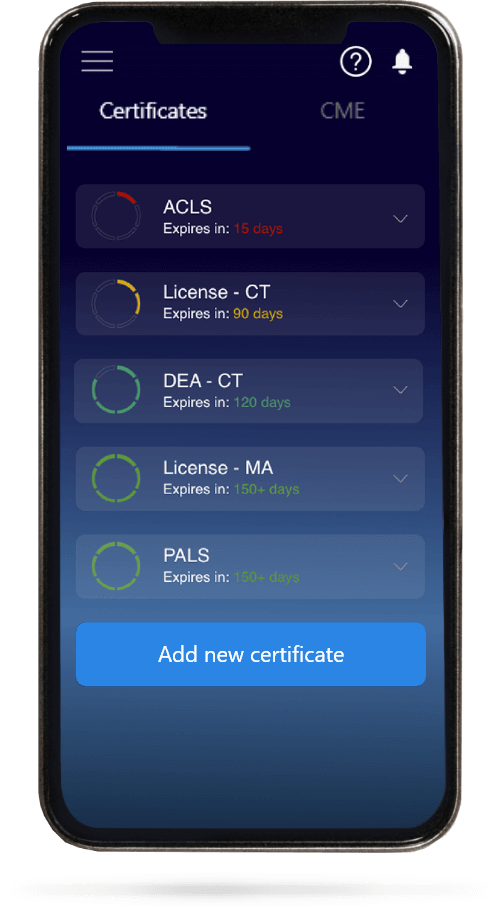
All Your Certificates in One Place
When you have your licenses, certificates and CMEs in one place, it's easier to track your career growth. You can easily share these with hospitals as well, using your medtigo app.