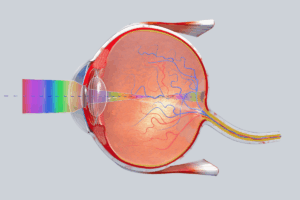
World’s First Human Implant of a 3D-Printed Cornea Restores Sight
December 15, 2025






Background
Cysticercosis is an infection with larvae of the pork tapeworm called Taenia solium. This is a lifecycle disease acquired through the ingestion of eggs of the tapeworm, which develops into larvae known as cysticerci that can form in different tissues of the body: muscles, skin, and specifically the nervous system. When these cysts occur in the brain, then, it results in neurocysticercosis which has effects on the neurological aspect that include convulsions, headaches, and, in the worst cases, even death.
Transmission
Cysticercosis is the primary manifestation of T. Solium cysticercosis, and it results from the ingestion of food or water contaminated with parasite eggs. This can be through washing in unsanitary water, failure to wash hands especially before eating meat or being infected through taking under cooked pork that contains larval cysts. Humans are the direct host to the adult tapeworm, while pigs are the immediate host to the larvae that form the cysticerci.
Epidemiology
Global Distribution
Endemic Regions: Cysticercosis is mainly reported in Latin American countries, sub-Saharan Africa, and some parts of Asia such as India, China, and Southeast Asia. Hungary has also reported cases of it and in some parts of the rural areas in Central and Eastern Europe.
Non-Endemic Regions: Though not frequently reported in developed countries, this disease may be present in immigrants coming from these regions or persons who have been to these countries.
Prevalence: The overall incidence of cysticercosis is between 1 % and 10%, but in some rural populations of endemic zones is more significant.
Neurocysticercosis: Neurocysticercosis is the severe form of cysticercosis targeting the central nervous system and is the major global cause for acquired epilepsy in the endemic zones. In some regions it is responsible for up to third of all epilepsy incidences.
Anatomy
Pathophysiology
Ingestion of Eggs: The eggs of T. Solium hatch in the small intestine, releasing oncospheres (larval forms).
Larval Migration: The oncospheres invade the mucosa of the intestines, pass through and into the circulation, and spread to almost any part of the body, including muscles, eyes, brain, and subcutaneous tissue.
Formation of Cysts: Here oncospheres grow into Cysticerci which is a fluid filled cyst in which the larval stage of the tapeworm is present.
Tissue Invasion and Inflammation: Cysticerci may induce tissue lesioning and inflammation at the affected sites gives rise to pathologic manifestation. In the brain (neurocysticercosis) this manifests as seizures, headaches and some other neurological symptoms.
Host Immune Response: Periodically, the immune system can infringe on the cysts which results in inflammation, calcification and scar formation and thus, progression of symptoms.
Etiology
Lifecycle of Taenia solium: The adult tapeworm is found in the human intestine and lays eggs, passed out of the body through the feces.
Transmission: Human gets infected with diseases cysticercosis through ingestion of eggs of T. solium accidentally by food handlers or people who are involved in farming activities. This may be a result of poor hygiene, lack of proper hand washing procedures, or even taking food and water that contain the eggs.
Development of Larvae: After ingestion, the eggs in the small intestine hatch out into oncospheres (larval forms), which go through the intestinal wall to the blood stream and finally they lodge themselves in muscles, eyes and brain besides other body organs.
Formation of Cysts: In these tissues the larvae undergo encystation and form cysticerci which causes symptoms depending on the area affected and number. When the cysts occur in the brain, they are called neurocysticercosis which may cause neurological complications such as seizures, headaches and even hydrocephalus.
Genetics
Prognostic Factors
Location of Cysts: The cysts in the brain (neurocysticercosis) are generally worse than cysts in other tissue; this form can be associated with seizures, headaches, and/or neurological deficits.
Number and Size of Cysts: Larger cysts or the presence of many cysts are likely to increase the risk of adverse outcomes and complications.
Cyst Viability: Viable cysts may cause ongoing symptoms, whereas calcified cysts usually indicate a more stable or resolved infection.
Immune Response: Certain manifestations of the immune response may cause inflammation and lead to such characteristics as seizures or hydrocephalus and hence a worse outcome.
Age and Health of the Patient: Patients who are younger and in good health are likely to have less severe disease than those who have comorbid conditions, immunocompromised or are elder.
Clinical History
Age Group:
Cysticercosis is most observed in those in the age ranges of between 20 and 50 years of age. This is because these age groups spend most of their time in such environment that is characterized by poor standards of sanitation of hygiene for the parasite to thrive.
Children are also at risk for developing the disease more often than adults because their immune system is not strong enough to fight the infection or their mode of living and their ability to practice good hygiene is not well-developed adequate manner. But as far as symptomatic neurocysticercosis is concerned, they are more common in children above the age of five years.
Physical Examination
Age group
Associated comorbidity
Associated activity
Acuity of presentation
Neurocysticercosis: They can be either acute or chronic and range from a seizures, headaches and neurological deficits. There is also acute manifestation which include seizures and raised intracranial pressure.
Subcutaneous Cysticercosis: Typically, it will manifest through formation of nodules beneath skin that may become enlarged overtime.
Muscle Cysticercosis: May result to muscle soreness and sensitivity.
Ocular Cysticercosis: May feature with blurred vision or other changes in vision or pain in the eyes.
Differential Diagnoses
Laboratory Studies
Imaging Studies
Procedures
Histologic Findings
Staging
Treatment Paradigm
Antiparasitic Therapy:
Anti-inflammatory Therapy:
Corticosteroids are Used to reduce inflammation and control the immune response, especially when antiparasitic treatment is started, as dying cysts can trigger an inflammatory response.
Symptomatic Treatment:
Supportive Care:
by Stage
by Modality
Chemotherapy
Radiation Therapy
Surgical Interventions
Hormone Therapy
Immunotherapy
Hyperthermia
Photodynamic Therapy
Stem Cell Transplant
Targeted Therapy
Palliative Care
lifestyle-modifications-in-treating-cysticercosis
Improved Sanitation: In this case, promotion of the availability of clean water as well as provision of good and proper sanitation minimizes this possibility. The eggs are dispersed through fecal matter thus the appropriate disposal of human waste must be addressed.
Hygiene Practices: This is true because several practices including good hygiene wherein one washes their hands often with soap and clean water reduces the chances of consumption of tapeworm eggs.
Food Safety: Handling and preparing pork products adequately can eliminate parasites such as tapeworm larvae that develop in undercooked pork by raising its internal temperature to 71°C or more (Pig skin and products from pork that are taken raw or cooked slightly can lead to the infection thus their avoidance could help.
Education and Awareness: The public should be enlightened on potential risks that are associated with cysticercosis through advocacy for food hygiene as well as food preparation.
Pest Control: Farmers or those people handling the pork products should control the number of pigs around regions that are endemic with this disease. That is why the proper management and primarily surveillance of pig farms can help to minimize the chances of the tapeworm spreading.
Regular Deworming: It’s possible to decrease the level of cysticercosis through the regular prevention of pigs and humans in some zones.
Use of Antiparasitic drugs for treating Cysticercosis
Albendazole: Usually the initial treatment of the disease, it does this by blocking the parasite’s ability to perform anabolism of glucose and dies as a result.
Praziquantel: Another option is much better suitable for the case of adult tapeworms’ elimination. This leads to immobilization or disintegration of the parasite.
Effectiveness of Corticosteroids for treating Cysticercosis
Prednisone is well known corticosteroid that can be prescribed for this purpose. The dose and duration of course vary with the severity of the symptoms and the case.
The most frequent application of the medicine is for vasculitis or edema.
In patients with cysticercal encephalitis or patients with severe mass effects, edema, and vasculitis, the physician prefers this to prednisone.
Use of Anticonvulsants for treating Cysticercosis
Carbamazepine
Use of phenytoin is not available, is not working, or is not advised. Following the clearance of the active parasite infection, anticonvulsant therapy should be used for a year. If the patient does not experience seizures, a trial of stopping treatment should be conducted.
If Phenytoin is not available, not effective, or is contraindicated, then the following should be used. It disrupts the process of relaying impulses from the thalamic region of the brain to the cortex. Used as a sedative.
role-of-intervention-with-the-procedure-in-treating-cysticercosis
Neurocysticercosis: In some cases, surgical Intervention may be necessary based on the following factors: worsening of such symptoms as increased intra cranial pressure, rupture of the cysts or extreme inflammation. Treatment modalities range from the excision of cysts to or managing complications from the cysts such as hydrocephalus.
These are craniotomies (making a hole in the skull to expose the brain), endoscopic, and hydrocephalus surgery if required.
role-of-management-in-treating-cysticercosis
Diagnosis:
Medical Treatment:
Symptomatic Treatment:
Surgical Intervention:
Follow-up and Monitoring:
Medication
Chew a 1gm tablet with water on an empty stomach. One hour later, another 1gm is administered. A saline purgative is administered 1 to 2 hours after the second dose. the dosage is repeated every 5 days
Future Trends
Cysticercosis is an infection with larvae of the pork tapeworm called Taenia solium. This is a lifecycle disease acquired through the ingestion of eggs of the tapeworm, which develops into larvae known as cysticerci that can form in different tissues of the body: muscles, skin, and specifically the nervous system. When these cysts occur in the brain, then, it results in neurocysticercosis which has effects on the neurological aspect that include convulsions, headaches, and, in the worst cases, even death.
Transmission
Cysticercosis is the primary manifestation of T. Solium cysticercosis, and it results from the ingestion of food or water contaminated with parasite eggs. This can be through washing in unsanitary water, failure to wash hands especially before eating meat or being infected through taking under cooked pork that contains larval cysts. Humans are the direct host to the adult tapeworm, while pigs are the immediate host to the larvae that form the cysticerci.
Global Distribution
Endemic Regions: Cysticercosis is mainly reported in Latin American countries, sub-Saharan Africa, and some parts of Asia such as India, China, and Southeast Asia. Hungary has also reported cases of it and in some parts of the rural areas in Central and Eastern Europe.
Non-Endemic Regions: Though not frequently reported in developed countries, this disease may be present in immigrants coming from these regions or persons who have been to these countries.
Prevalence: The overall incidence of cysticercosis is between 1 % and 10%, but in some rural populations of endemic zones is more significant.
Neurocysticercosis: Neurocysticercosis is the severe form of cysticercosis targeting the central nervous system and is the major global cause for acquired epilepsy in the endemic zones. In some regions it is responsible for up to third of all epilepsy incidences.
Ingestion of Eggs: The eggs of T. Solium hatch in the small intestine, releasing oncospheres (larval forms).
Larval Migration: The oncospheres invade the mucosa of the intestines, pass through and into the circulation, and spread to almost any part of the body, including muscles, eyes, brain, and subcutaneous tissue.
Formation of Cysts: Here oncospheres grow into Cysticerci which is a fluid filled cyst in which the larval stage of the tapeworm is present.
Tissue Invasion and Inflammation: Cysticerci may induce tissue lesioning and inflammation at the affected sites gives rise to pathologic manifestation. In the brain (neurocysticercosis) this manifests as seizures, headaches and some other neurological symptoms.
Host Immune Response: Periodically, the immune system can infringe on the cysts which results in inflammation, calcification and scar formation and thus, progression of symptoms.
Lifecycle of Taenia solium: The adult tapeworm is found in the human intestine and lays eggs, passed out of the body through the feces.
Transmission: Human gets infected with diseases cysticercosis through ingestion of eggs of T. solium accidentally by food handlers or people who are involved in farming activities. This may be a result of poor hygiene, lack of proper hand washing procedures, or even taking food and water that contain the eggs.
Development of Larvae: After ingestion, the eggs in the small intestine hatch out into oncospheres (larval forms), which go through the intestinal wall to the blood stream and finally they lodge themselves in muscles, eyes and brain besides other body organs.
Formation of Cysts: In these tissues the larvae undergo encystation and form cysticerci which causes symptoms depending on the area affected and number. When the cysts occur in the brain, they are called neurocysticercosis which may cause neurological complications such as seizures, headaches and even hydrocephalus.
Location of Cysts: The cysts in the brain (neurocysticercosis) are generally worse than cysts in other tissue; this form can be associated with seizures, headaches, and/or neurological deficits.
Number and Size of Cysts: Larger cysts or the presence of many cysts are likely to increase the risk of adverse outcomes and complications.
Cyst Viability: Viable cysts may cause ongoing symptoms, whereas calcified cysts usually indicate a more stable or resolved infection.
Immune Response: Certain manifestations of the immune response may cause inflammation and lead to such characteristics as seizures or hydrocephalus and hence a worse outcome.
Age and Health of the Patient: Patients who are younger and in good health are likely to have less severe disease than those who have comorbid conditions, immunocompromised or are elder.
Age Group:
Cysticercosis is most observed in those in the age ranges of between 20 and 50 years of age. This is because these age groups spend most of their time in such environment that is characterized by poor standards of sanitation of hygiene for the parasite to thrive.
Children are also at risk for developing the disease more often than adults because their immune system is not strong enough to fight the infection or their mode of living and their ability to practice good hygiene is not well-developed adequate manner. But as far as symptomatic neurocysticercosis is concerned, they are more common in children above the age of five years.
Neurocysticercosis: They can be either acute or chronic and range from a seizures, headaches and neurological deficits. There is also acute manifestation which include seizures and raised intracranial pressure.
Subcutaneous Cysticercosis: Typically, it will manifest through formation of nodules beneath skin that may become enlarged overtime.
Muscle Cysticercosis: May result to muscle soreness and sensitivity.
Ocular Cysticercosis: May feature with blurred vision or other changes in vision or pain in the eyes.
Antiparasitic Therapy:
Anti-inflammatory Therapy:
Corticosteroids are Used to reduce inflammation and control the immune response, especially when antiparasitic treatment is started, as dying cysts can trigger an inflammatory response.
Symptomatic Treatment:
Supportive Care:
Infectious Disease
Improved Sanitation: In this case, promotion of the availability of clean water as well as provision of good and proper sanitation minimizes this possibility. The eggs are dispersed through fecal matter thus the appropriate disposal of human waste must be addressed.
Hygiene Practices: This is true because several practices including good hygiene wherein one washes their hands often with soap and clean water reduces the chances of consumption of tapeworm eggs.
Food Safety: Handling and preparing pork products adequately can eliminate parasites such as tapeworm larvae that develop in undercooked pork by raising its internal temperature to 71°C or more (Pig skin and products from pork that are taken raw or cooked slightly can lead to the infection thus their avoidance could help.
Education and Awareness: The public should be enlightened on potential risks that are associated with cysticercosis through advocacy for food hygiene as well as food preparation.
Pest Control: Farmers or those people handling the pork products should control the number of pigs around regions that are endemic with this disease. That is why the proper management and primarily surveillance of pig farms can help to minimize the chances of the tapeworm spreading.
Regular Deworming: It’s possible to decrease the level of cysticercosis through the regular prevention of pigs and humans in some zones.
Infectious Disease
Albendazole: Usually the initial treatment of the disease, it does this by blocking the parasite’s ability to perform anabolism of glucose and dies as a result.
Praziquantel: Another option is much better suitable for the case of adult tapeworms’ elimination. This leads to immobilization or disintegration of the parasite.
Infectious Disease
Prednisone is well known corticosteroid that can be prescribed for this purpose. The dose and duration of course vary with the severity of the symptoms and the case.
The most frequent application of the medicine is for vasculitis or edema.
In patients with cysticercal encephalitis or patients with severe mass effects, edema, and vasculitis, the physician prefers this to prednisone.
Infectious Disease
Carbamazepine
Use of phenytoin is not available, is not working, or is not advised. Following the clearance of the active parasite infection, anticonvulsant therapy should be used for a year. If the patient does not experience seizures, a trial of stopping treatment should be conducted.
If Phenytoin is not available, not effective, or is contraindicated, then the following should be used. It disrupts the process of relaying impulses from the thalamic region of the brain to the cortex. Used as a sedative.
Infectious Disease
Neurocysticercosis: In some cases, surgical Intervention may be necessary based on the following factors: worsening of such symptoms as increased intra cranial pressure, rupture of the cysts or extreme inflammation. Treatment modalities range from the excision of cysts to or managing complications from the cysts such as hydrocephalus.
These are craniotomies (making a hole in the skull to expose the brain), endoscopic, and hydrocephalus surgery if required.
Infectious Disease
Diagnosis:
Medical Treatment:
Symptomatic Treatment:
Surgical Intervention:
Follow-up and Monitoring:

Cysticercosis is an infection with larvae of the pork tapeworm called Taenia solium. This is a lifecycle disease acquired through the ingestion of eggs of the tapeworm, which develops into larvae known as cysticerci that can form in different tissues of the body: muscles, skin, and specifically the nervous system. When these cysts occur in the brain, then, it results in neurocysticercosis which has effects on the neurological aspect that include convulsions, headaches, and, in the worst cases, even death.
Transmission
Cysticercosis is the primary manifestation of T. Solium cysticercosis, and it results from the ingestion of food or water contaminated with parasite eggs. This can be through washing in unsanitary water, failure to wash hands especially before eating meat or being infected through taking under cooked pork that contains larval cysts. Humans are the direct host to the adult tapeworm, while pigs are the immediate host to the larvae that form the cysticerci.
Global Distribution
Endemic Regions: Cysticercosis is mainly reported in Latin American countries, sub-Saharan Africa, and some parts of Asia such as India, China, and Southeast Asia. Hungary has also reported cases of it and in some parts of the rural areas in Central and Eastern Europe.
Non-Endemic Regions: Though not frequently reported in developed countries, this disease may be present in immigrants coming from these regions or persons who have been to these countries.
Prevalence: The overall incidence of cysticercosis is between 1 % and 10%, but in some rural populations of endemic zones is more significant.
Neurocysticercosis: Neurocysticercosis is the severe form of cysticercosis targeting the central nervous system and is the major global cause for acquired epilepsy in the endemic zones. In some regions it is responsible for up to third of all epilepsy incidences.
Ingestion of Eggs: The eggs of T. Solium hatch in the small intestine, releasing oncospheres (larval forms).
Larval Migration: The oncospheres invade the mucosa of the intestines, pass through and into the circulation, and spread to almost any part of the body, including muscles, eyes, brain, and subcutaneous tissue.
Formation of Cysts: Here oncospheres grow into Cysticerci which is a fluid filled cyst in which the larval stage of the tapeworm is present.
Tissue Invasion and Inflammation: Cysticerci may induce tissue lesioning and inflammation at the affected sites gives rise to pathologic manifestation. In the brain (neurocysticercosis) this manifests as seizures, headaches and some other neurological symptoms.
Host Immune Response: Periodically, the immune system can infringe on the cysts which results in inflammation, calcification and scar formation and thus, progression of symptoms.
Lifecycle of Taenia solium: The adult tapeworm is found in the human intestine and lays eggs, passed out of the body through the feces.
Transmission: Human gets infected with diseases cysticercosis through ingestion of eggs of T. solium accidentally by food handlers or people who are involved in farming activities. This may be a result of poor hygiene, lack of proper hand washing procedures, or even taking food and water that contain the eggs.
Development of Larvae: After ingestion, the eggs in the small intestine hatch out into oncospheres (larval forms), which go through the intestinal wall to the blood stream and finally they lodge themselves in muscles, eyes and brain besides other body organs.
Formation of Cysts: In these tissues the larvae undergo encystation and form cysticerci which causes symptoms depending on the area affected and number. When the cysts occur in the brain, they are called neurocysticercosis which may cause neurological complications such as seizures, headaches and even hydrocephalus.
Location of Cysts: The cysts in the brain (neurocysticercosis) are generally worse than cysts in other tissue; this form can be associated with seizures, headaches, and/or neurological deficits.
Number and Size of Cysts: Larger cysts or the presence of many cysts are likely to increase the risk of adverse outcomes and complications.
Cyst Viability: Viable cysts may cause ongoing symptoms, whereas calcified cysts usually indicate a more stable or resolved infection.
Immune Response: Certain manifestations of the immune response may cause inflammation and lead to such characteristics as seizures or hydrocephalus and hence a worse outcome.
Age and Health of the Patient: Patients who are younger and in good health are likely to have less severe disease than those who have comorbid conditions, immunocompromised or are elder.
Age Group:
Cysticercosis is most observed in those in the age ranges of between 20 and 50 years of age. This is because these age groups spend most of their time in such environment that is characterized by poor standards of sanitation of hygiene for the parasite to thrive.
Children are also at risk for developing the disease more often than adults because their immune system is not strong enough to fight the infection or their mode of living and their ability to practice good hygiene is not well-developed adequate manner. But as far as symptomatic neurocysticercosis is concerned, they are more common in children above the age of five years.
Neurocysticercosis: They can be either acute or chronic and range from a seizures, headaches and neurological deficits. There is also acute manifestation which include seizures and raised intracranial pressure.
Subcutaneous Cysticercosis: Typically, it will manifest through formation of nodules beneath skin that may become enlarged overtime.
Muscle Cysticercosis: May result to muscle soreness and sensitivity.
Ocular Cysticercosis: May feature with blurred vision or other changes in vision or pain in the eyes.
Antiparasitic Therapy:
Anti-inflammatory Therapy:
Corticosteroids are Used to reduce inflammation and control the immune response, especially when antiparasitic treatment is started, as dying cysts can trigger an inflammatory response.
Symptomatic Treatment:
Supportive Care:
Infectious Disease
Improved Sanitation: In this case, promotion of the availability of clean water as well as provision of good and proper sanitation minimizes this possibility. The eggs are dispersed through fecal matter thus the appropriate disposal of human waste must be addressed.
Hygiene Practices: This is true because several practices including good hygiene wherein one washes their hands often with soap and clean water reduces the chances of consumption of tapeworm eggs.
Food Safety: Handling and preparing pork products adequately can eliminate parasites such as tapeworm larvae that develop in undercooked pork by raising its internal temperature to 71°C or more (Pig skin and products from pork that are taken raw or cooked slightly can lead to the infection thus their avoidance could help.
Education and Awareness: The public should be enlightened on potential risks that are associated with cysticercosis through advocacy for food hygiene as well as food preparation.
Pest Control: Farmers or those people handling the pork products should control the number of pigs around regions that are endemic with this disease. That is why the proper management and primarily surveillance of pig farms can help to minimize the chances of the tapeworm spreading.
Regular Deworming: It’s possible to decrease the level of cysticercosis through the regular prevention of pigs and humans in some zones.
Infectious Disease
Albendazole: Usually the initial treatment of the disease, it does this by blocking the parasite’s ability to perform anabolism of glucose and dies as a result.
Praziquantel: Another option is much better suitable for the case of adult tapeworms’ elimination. This leads to immobilization or disintegration of the parasite.
Infectious Disease
Prednisone is well known corticosteroid that can be prescribed for this purpose. The dose and duration of course vary with the severity of the symptoms and the case.
The most frequent application of the medicine is for vasculitis or edema.
In patients with cysticercal encephalitis or patients with severe mass effects, edema, and vasculitis, the physician prefers this to prednisone.
Infectious Disease
Carbamazepine
Use of phenytoin is not available, is not working, or is not advised. Following the clearance of the active parasite infection, anticonvulsant therapy should be used for a year. If the patient does not experience seizures, a trial of stopping treatment should be conducted.
If Phenytoin is not available, not effective, or is contraindicated, then the following should be used. It disrupts the process of relaying impulses from the thalamic region of the brain to the cortex. Used as a sedative.
Infectious Disease
Neurocysticercosis: In some cases, surgical Intervention may be necessary based on the following factors: worsening of such symptoms as increased intra cranial pressure, rupture of the cysts or extreme inflammation. Treatment modalities range from the excision of cysts to or managing complications from the cysts such as hydrocephalus.
These are craniotomies (making a hole in the skull to expose the brain), endoscopic, and hydrocephalus surgery if required.
Infectious Disease
Diagnosis:
Medical Treatment:
Symptomatic Treatment:
Surgical Intervention:
Follow-up and Monitoring:

Both our subscription plans include Free CME/CPD AMA PRA Category 1 credits.

On course completion, you will receive a full-sized presentation quality digital certificate.
A dynamic medical simulation platform designed to train healthcare professionals and students to effectively run code situations through an immersive hands-on experience in a live, interactive 3D environment.

When you have your licenses, certificates and CMEs in one place, it's easier to track your career growth. You can easily share these with hospitals as well, using your medtigo app.