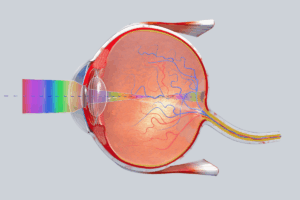
World’s First Human Implant of a 3D-Printed Cornea Restores Sight
December 15, 2025






Background
GVHD is an immunological damage that is caused by the transplantation of stem cells that are genetically different from the host. It was first described in mice in 1962 by Barnes and Loutit, and Simonsen coined the term in the 1960s. In 1966, Billingham proposed three conditions for GVHD development: the graft must be capable of supporting immunologically competent cells, the host must be in possession of important transplant allo-antigens that the graft is lacking, and the host must be incapable of reacting immunologically to the graft. Acute GVHD refers to the syndrome of acute onset of GVHD within 30 to 40 days after underlying bone marrow transplantation and manifests as a rash on the skin, inflammation in the enteric tract, hepatitis and general malaise. Late-onset chronic GVHD occurs at or beyond 100 days after transplant and is considered an autoimmune condition that targets multiple organ sites.
Epidemiology
Acute graft-versus-host disease (GVHD) incidence in transplanted and transfused populations in the United States: Importance of gender and non-HLA genetic factors. The main factor that influences graft-versus-host disease development is HLA disparity, and GVHD may develop in less than 10 to 60% of cases if bone marrow from HLA-identical siblings is used as the donor site. The risk of grade II-IV GVHD rises to 70-75% with one HLA antigen, and 90% with 2 to 3 HLA antigen mismatches. This can occur in up to 70% of unrelated donors and have GVHD of grades 2 to 4. T-cell depletion decreases the possibility for the development of GVHD, but increases the risk of graft failure and relapse of leukemia. Hematopoietic stem cell use has led to reduced rates of GVHD when the cells are from the umbilical cord blood. The incidence of acute GVHD also varies according to age and sex. The host environment is one of the key factors that contribute to the development of GVHD. Chronic GVHD is found in 30 to 50% of patients who have undergone bone marrow transplantation more than one year after the transplantation.
Anatomy
Pathophysiology
The process of GVHD involves three phases: Inoculation Phase, Activation Phase and Cytolytic Stage.
In the Initiation phase lesions are induced by a preconditioning regimen including the mucosal, liver and skin of the host. This leads to the production of pro-inflammatory cytokines including TNF-α, IL-1 and IL-6 which activate the antigen presenting cells (APCs).
The activation phase includes the processing of host antigens by the APCs of the host for presentation to the T cells of the donor with the help of the MHC molecules. This interaction between host APCs and donor T cells initiates the activation and proliferation of the donor T cells including the cytotoxic CD8+ T cells and CD4+ helper T cells.
The Effector Phase includes Cytotoxic T Cell activity whereby they directly target host cells expressing the specified antigens through MHC class I molecules. Activated CD4+ T cells increase the secretion of pro-inflammatory cytokines, enhancing the inflammatory reactions by attracting additional types of immune cells to the lesion site. The tissue damage is the result of combined action of cytotoxic T cells that come in to eradicate the virus and recruited immune cells and inflammatory cytokines. Chronic GVHD usually involves complex immunological processes, such as autoimmunity and fibrosis.
Etiology
GVHD in a transplant has direct relationship with characteristics such as histocompatibility (HLA matching), donor, recipient, and conditioning regime.
The most important risk factor is the HLA disparity of the mismatch between HLA of donor and recipient and it is associated with the degree and severity of development of GVHD. The risk is lower for HLA-identical siblings but higher in the case of partially matched or unrelated donors because of immunogenic differences.
There are three recipient factors which include age, pre-existing health status and gender. The intensity of conditioning which includes the use of high doses of chemotherapy and/or radiation regimen can also influence the occurrence of GVHD. Reduced-intensity conditioning has the potential to reduce the risk but may also lead to graft loss. These regimens include cyclosporine, methotrexate and tacrolimus are all important in preventing GVHD which occurs after transplant.
Genetics
Prognostic Factors
The clinical manifestation of acute GVHD is stratified based upon the skin, liver and gastrointestinal manifestations in grades I to IV with increasing severity associated with decreasing benefit from treatment. Chronic GVHD is classified as limited or extensive and severe chronic GVHD has a poor outcome due to its effect on target organs and overall quality of life. Early acute GVHD takes place in the initial 100 days following transplantation, whereas chronic GVHD is late. They are better for initial treatment response and refractory or steroid resistant GVHD cases, which are associated with more challenging clinical outcomes. Increased use of multiple medications or aggressive therapy with immunosuppressive drugs is related to increased mortality and morbidity.
Clinical History
Presentation of Gastroenteritis Gastrointestinal Gastroenteritis (GVHD) patients depends on the age.
Infants and young children (0-5 years) develop rashes, erythema, and desquamation and school-age children (6-12 years) tend to develop persistent rashes and skin tightness and blistering. They may also indicate that they feel itching and discomfort from the skin lesions. School children between the ages of 6 and 12 years may develop itchy rashes that may last for several years; persistent diarrhea; abdominal pain and nausea; and hepatic manifestations like jaundice and hepatomegaly. These include tiredness, fever, increased generalized body weakness and a general reduced school/activities performance.
Children (13 to 18 years) can manifest chronic skin condition, severe diarrhoea, involuntary spasm and malabsorption with the nutritional deficit being evident due to chronic G I. Signs and symptoms which are synonymous with liver diseases such as jaundice, pruritus and ascites are conspicuous.
It is associated with very many comorbidities or activities that may include autoimmune disorders, infections, nutritional deficiencies, and reduced physical activity.
Physical Examination
Skin Examination
Rashes: Diagnosis; Check for maculopapular rashes, erythema, desquamation, etc.
Skin Texture and Color: Look for scleroderma-like thickening or any color change in the skin.
Nail and Hair: It should be noted that nails may ridge and hair thin out.
Gastrointestinal Examination
Abdomen: Palpate abdomen for distension and tenderness and for presence of organomegaly.
Oral Cavity: Check for ulcers and mucositis and ask about xerostomia.
Hepatic Examination
Jaundice: Inspection for jaundice – yellow eyes/skin.
Liver Size: Sustain a hand on the upper right quadrant and percuss for hepatomegaly.
Ascites: Ask if they have noticed the abdomen is swollen.
Pulmonary Examination
Breath Sounds: Palpate for chest asymmetry or tracheal deviation.
Respiratory Effort: Assess for respiratory difficulty.
Age group
Associated comorbidity
Associated activity
Acuity of presentation
Differential Diagnoses
Acute graft versus host disease
Skin
Drug reaction
Viral exanthema
Liver
Viral hepatitis
Septicemia
Venoocclusive disease
Drug toxicity
GI
Clostridium difficile
Chemoradiotherapy
Gastroenteritis
Chronic graft versus host disease
Gastroenteritis
Chemoradiotherapy
Autoimmune diseases
Laboratory Studies
Imaging Studies
Procedures
Histologic Findings
Staging
Treatment Paradigm
General Supportive Measures
Nutritional Support: Nutrition plays an important role in wound and injury rehabilitation. The appropriate use of enteral or parenteral nutrition support should be considered when warranted.
Pain Management: Apply analgesics and topical agents for the management of pain and discomfort.
Hydration: It is also necessary to prevent dehydration in children by means an ensuring a sufficient fluid intake especially in cases of diarrhea and vomiting.
Immunosuppressive Therapy
Corticosteroids: Methylprednisolone or prednisone is the agent of choice for the treatment of moderate and severe acute GVHD. If a patient presents with severe symptoms then high doses of corticosteroids may be required.
Second-line Agents: The next form of treatment for GVHD is the use of more immunosuppressive drugs for those non-responders to corticosteroids for example:
Calcineurin Inhibitors: Long-term tacrolimus or cyclosporine therapy in liver transplantation.
Antimetabolites: Methotrexate, mycophenolate mofetil (MMF) is a better alternative.
Biologic Therapies
Anti-thymocyte Globulin (ATG): Generally used as part of conditioning protocols and in the treatment of refractory GVHD.
Anti-TNF Agents: They can work in steroid-resistant GVHD, especially in the gastrointestinal tract, and infliximab or etanercept can be used where infliximab had no effect, or etanercept can be effective in the gastrointestinal GVHD when infliximab ineffective.
IL-2 Receptor Antagonists: Basiliximab may be considered for those with steroid-refractory cases.
Phototherapy Extracorporeal Photopheresis (ECP): Selecting a portion of the patient’s blood that contains cells which express leukocytes, removing the cells which express the leukocytes, treating the cells that expresses the leukocytes with psoralen and then sending the cells that express the leukocytes to UV-A light to be exposed to the UV-A light and then returning the blood to the patient. ECP is useful for treatment of chronic GVHD and acute GVHD refractory to corticosteroids and other chemotherapeutics.
Targeted Therapy
JAK Inhibitors: Ruxolitinib has been proved to be effective in treatment of both acute and chronic GVHD, but the beneficial effects are most pronounced in patients with skin and liver involvement who are not responsive to steroids.
Dysfunction of the Organs:
Liver Dysfunction: Supervise liver function tests and treat complications including jaundice, bleeding problems and impaired mental status.
Pulmonary Dysfunction: Use restorative therapy for respiratory symptoms and watch for any bronchiolitis obliterans symptoms or signs.
Gastrointestinal Dysfunction: Prevent dehydration, treat electrolyte imbalances, and promote nutrition to patients.
Ocular Manifestations: Artificial tears or other simple lubricant eye drops, cyclosporine eye drops, or punctal plugs for dry eyes.
Preventive Care for Increasing Chronic Illnesses and Complications.
Chronic GVHD Surveillance: Routine screening for the signs of chronic GVHD and its complications for example cutaneous changes and lung manifestations as well as secondary tumors.
Psychosocial Support: Psychology counselling and support for the children and the families to face the mental and emotional effect of GVHD and its treatment.
by Stage
by Modality
Chemotherapy
Radiation Therapy
Surgical Interventions
Hormone Therapy
Immunotherapy
Hyperthermia
Photodynamic Therapy
Stem Cell Transplant
Targeted Therapy
Palliative Care
use-of-a-non-pharmacological-approach-for-treating-pediatric-graft-versus-host-disease
Nutritional Support
Dietary Modifications: Reduce and manipulate the diets such as to decrease the problems like diarrhea or mucositis. Some of the foods that you can include are healthy for easy digestion and even nutrient rich.
Supplements: Supplement these nutrients with vitamin, mineral, and probiotic products to assist in intestinal health maintenance and general nutrition.
Hydration Management
Fluid Therapy: Avoid dehydration by consuming a lot of fluids such as water when you have diarrhea or vomiting.
Skin Care
Emollients: Moisturizers and emollients may be useful for managing dryness or itchiness due to GVHD skin rashes or scleroderma-like changes on the skin.
Avoid Irritants: Avoid skin irritation by using soft and generally non-fragranced soaps and detergents.
Psychosocial Support
Counseling: Provide counseling services for children and their parents to deal with psychological issues for children who are suffering from chronic illness or treatments.
Support Groups: Provide peer support groups for children who are experiencing similar situations to encourage and reduce isolation.
Physical Therapy and Exercise
Range of Motion Exercises: Avoid joint contractures, especially when musculoskeletal GVHD is severe.
Exercise Programs: Develop strength and fitness exercises to enhance the individuals physical strength and fitness.
Role of Immunosuppressive agents in the treatment of Pediatric Graft Versus Host Disease
Methotrexate is a folate analog and possesses immunosuppressive properties in the cell-mediated immunity response. Cyclosporine is a selective agent that blocks the early commitment of T-lymphocyte cell proliferation by blocking the T lymphocyte effector and regulatory response to antigenic stimuli.
It was formerly thought that high-dose steroids suppression of immune function was primarily lympholytic, but recent evidence suggests that endogenous steroid dosage impairs T-cell proliferation and the T-cell-subset-dependent expression of cytokines. They possess non-selective anti-inflammatory action and anti-adhesin properties which translate into immunosuppression.
Key medications in this treatment paradigm include:
Methotrexate: This acts on the synthesis of purine and pyrimidine, and this is an immunosuppressive agent that inhibits T-cell proliferation.
Cyclosporine: Suppresses calcineurin function that plays a vital role in boosting the T-cell cytokine promoting gene transcription.
Methylprednisolone: Inhibits inflammatory responses by decreasing polymorphonuclear leukocyte migration and restoring increased vascular permeability.
Tacrolimus: FK506 was earlier used in prolonging survival in animal transplant models and is now an immunosuppressant.
Sirolimus: Inhibits the activation of lymphocytes by affecting the signal transduction pathway, and by inhibiting the phosphatase activity of mTOR through binding to the immunophilin FKBP.
Mycophenolate mofetil: Blocks purine synthesis and depletes the human lymphocyte proliferation to ensure prolonged survival in allogeneic models of transplantation.
Antithymocyte globulin, rabbit: It is highly purified and has a high concentration of gamma-globulin, especially pure monomeric IgG, which can influence the lymphocytes that participate in cell-mediated immunity.
Role of Monoclonal Antibodies
This monoclonal antibody targets the antigen CD52, which is expressed on B cells as well as T cells, and almost all the peripheral CLL cells. It acts by binding with lymphocytes receptor CD52 and blocks the leucocyte production.
Role of Kinase Inhibitors in the treatment of Pediatric Graft Versus Host Disease
Ruxolitnib: It is a kinase inhibitor that inhibits the Janus-associated kinases (JAKs) JAK1 and JAK2. Jak-stat signaling pathways control the differentiation, proliferation, and functional activity of the GVHD-relevant immune cells. It’s indicated for use in the treatment of steroid refractory or resistant acute GvHD among people who are 12 years and older; it can be used with the adult populations and also for the pediatric populations.
Belumosudil: Belumosudil is the first kinase inhibitor specifically targeting ROCK2. This pathway plays a role in processes such as inflammation and fibrosis. It is indicated for the management of chronic GvHD in adult patients (i.e., patients 12 years and older) who have failed at least two prior lines of systemic therapy.
use-of-intervention-with-a-procedure-in-treating-pediatric-graft-versus-host-disease
Endoscopy and Biopsy: Applied to assess gastrointestinal GVHD and its management using the mucosal appearance and histological features as an indication for treatment.
Central Venous Access: If the condition is severe with enteral nutrition or frequent transfusions not being an option then placement of a central venous catheter may be used for parenteral nutrition or intravenous drug administration.
Pulmonary Function Tests: These tests may be done to check for respiratory-related diseases, which include bronchiolitis obliterans that can develop from chronic lung condition caused by chronic GVHD.
Skin Care Procedures: Skin grafts and therapeutic skincare products such as healing ointment and wound dressing might be used to take care of the skin problems that may arise from GVHD.
Phototherapy (Extracorporeal Photopheresis): Loading leukocytes through apheresis, exposing them to psoralen and then exposing them to UV radiation before reinfusing. This procedure has been shown to be useful in the treatment of chronic GVHD by way of controlling the immune response.
Bone Marrow Biopsy: May be performed to evaluate the hematologic response or recurrence of the original hematologic cancers impacting on GVHD.
use-of-phases-in-managing-pediatric-graft-versus-host-disease
The process of managing GVHD involves five phases:
adverse conditioning prior to transplantation, early diagnosis, and prevention, acute intervention, long-term follow-up, and post-therapy care.
The first phase consists in the evaluation of risk factors, and an adapting of conditioning protocols, of the administration of immunosuppressive drugs, and of prophylactic strategies to limit grade escalation.
The second phase entails continuous surveillance for the onset of acute GVHD and the immediate initiation of prophylaxis in case there is evidence of GVHD and aggressive intervention with early corticosteroids when GVHD is detected. In cases which fail to respond to corticosteroids, a decision may be made to institute other immunosuppressive agents. Palliative care is also given in order to keep the symptoms in check.
The third and fourth phase is concerned with the chronic management which is based on immunomodulation of the long-term and specialists’ involvement to control organ-specific manifestations and Q. Compliance with the condition and the potential appearance of complications is also maintained.
The fifth phase involves treatment modalities such as physical and occupational therapies to address functional disabilities; psycho-educational and psychological counseling; support services for children and their families; and follow-up for latent and late effects of GVHD and its treatment.
Medication
Future Trends
GVHD is an immunological damage that is caused by the transplantation of stem cells that are genetically different from the host. It was first described in mice in 1962 by Barnes and Loutit, and Simonsen coined the term in the 1960s. In 1966, Billingham proposed three conditions for GVHD development: the graft must be capable of supporting immunologically competent cells, the host must be in possession of important transplant allo-antigens that the graft is lacking, and the host must be incapable of reacting immunologically to the graft. Acute GVHD refers to the syndrome of acute onset of GVHD within 30 to 40 days after underlying bone marrow transplantation and manifests as a rash on the skin, inflammation in the enteric tract, hepatitis and general malaise. Late-onset chronic GVHD occurs at or beyond 100 days after transplant and is considered an autoimmune condition that targets multiple organ sites.
Acute graft-versus-host disease (GVHD) incidence in transplanted and transfused populations in the United States: Importance of gender and non-HLA genetic factors. The main factor that influences graft-versus-host disease development is HLA disparity, and GVHD may develop in less than 10 to 60% of cases if bone marrow from HLA-identical siblings is used as the donor site. The risk of grade II-IV GVHD rises to 70-75% with one HLA antigen, and 90% with 2 to 3 HLA antigen mismatches. This can occur in up to 70% of unrelated donors and have GVHD of grades 2 to 4. T-cell depletion decreases the possibility for the development of GVHD, but increases the risk of graft failure and relapse of leukemia. Hematopoietic stem cell use has led to reduced rates of GVHD when the cells are from the umbilical cord blood. The incidence of acute GVHD also varies according to age and sex. The host environment is one of the key factors that contribute to the development of GVHD. Chronic GVHD is found in 30 to 50% of patients who have undergone bone marrow transplantation more than one year after the transplantation.
The process of GVHD involves three phases: Inoculation Phase, Activation Phase and Cytolytic Stage.
In the Initiation phase lesions are induced by a preconditioning regimen including the mucosal, liver and skin of the host. This leads to the production of pro-inflammatory cytokines including TNF-α, IL-1 and IL-6 which activate the antigen presenting cells (APCs).
The activation phase includes the processing of host antigens by the APCs of the host for presentation to the T cells of the donor with the help of the MHC molecules. This interaction between host APCs and donor T cells initiates the activation and proliferation of the donor T cells including the cytotoxic CD8+ T cells and CD4+ helper T cells.
The Effector Phase includes Cytotoxic T Cell activity whereby they directly target host cells expressing the specified antigens through MHC class I molecules. Activated CD4+ T cells increase the secretion of pro-inflammatory cytokines, enhancing the inflammatory reactions by attracting additional types of immune cells to the lesion site. The tissue damage is the result of combined action of cytotoxic T cells that come in to eradicate the virus and recruited immune cells and inflammatory cytokines. Chronic GVHD usually involves complex immunological processes, such as autoimmunity and fibrosis.
GVHD in a transplant has direct relationship with characteristics such as histocompatibility (HLA matching), donor, recipient, and conditioning regime.
The most important risk factor is the HLA disparity of the mismatch between HLA of donor and recipient and it is associated with the degree and severity of development of GVHD. The risk is lower for HLA-identical siblings but higher in the case of partially matched or unrelated donors because of immunogenic differences.
There are three recipient factors which include age, pre-existing health status and gender. The intensity of conditioning which includes the use of high doses of chemotherapy and/or radiation regimen can also influence the occurrence of GVHD. Reduced-intensity conditioning has the potential to reduce the risk but may also lead to graft loss. These regimens include cyclosporine, methotrexate and tacrolimus are all important in preventing GVHD which occurs after transplant.
The clinical manifestation of acute GVHD is stratified based upon the skin, liver and gastrointestinal manifestations in grades I to IV with increasing severity associated with decreasing benefit from treatment. Chronic GVHD is classified as limited or extensive and severe chronic GVHD has a poor outcome due to its effect on target organs and overall quality of life. Early acute GVHD takes place in the initial 100 days following transplantation, whereas chronic GVHD is late. They are better for initial treatment response and refractory or steroid resistant GVHD cases, which are associated with more challenging clinical outcomes. Increased use of multiple medications or aggressive therapy with immunosuppressive drugs is related to increased mortality and morbidity.
Presentation of Gastroenteritis Gastrointestinal Gastroenteritis (GVHD) patients depends on the age.
Infants and young children (0-5 years) develop rashes, erythema, and desquamation and school-age children (6-12 years) tend to develop persistent rashes and skin tightness and blistering. They may also indicate that they feel itching and discomfort from the skin lesions. School children between the ages of 6 and 12 years may develop itchy rashes that may last for several years; persistent diarrhea; abdominal pain and nausea; and hepatic manifestations like jaundice and hepatomegaly. These include tiredness, fever, increased generalized body weakness and a general reduced school/activities performance.
Children (13 to 18 years) can manifest chronic skin condition, severe diarrhoea, involuntary spasm and malabsorption with the nutritional deficit being evident due to chronic G I. Signs and symptoms which are synonymous with liver diseases such as jaundice, pruritus and ascites are conspicuous.
It is associated with very many comorbidities or activities that may include autoimmune disorders, infections, nutritional deficiencies, and reduced physical activity.
Skin Examination
Rashes: Diagnosis; Check for maculopapular rashes, erythema, desquamation, etc.
Skin Texture and Color: Look for scleroderma-like thickening or any color change in the skin.
Nail and Hair: It should be noted that nails may ridge and hair thin out.
Gastrointestinal Examination
Abdomen: Palpate abdomen for distension and tenderness and for presence of organomegaly.
Oral Cavity: Check for ulcers and mucositis and ask about xerostomia.
Hepatic Examination
Jaundice: Inspection for jaundice – yellow eyes/skin.
Liver Size: Sustain a hand on the upper right quadrant and percuss for hepatomegaly.
Ascites: Ask if they have noticed the abdomen is swollen.
Pulmonary Examination
Breath Sounds: Palpate for chest asymmetry or tracheal deviation.
Respiratory Effort: Assess for respiratory difficulty.
Acute graft versus host disease
Skin
Drug reaction
Viral exanthema
Liver
Viral hepatitis
Septicemia
Venoocclusive disease
Drug toxicity
GI
Clostridium difficile
Chemoradiotherapy
Gastroenteritis
Chronic graft versus host disease
Gastroenteritis
Chemoradiotherapy
Autoimmune diseases
General Supportive Measures
Nutritional Support: Nutrition plays an important role in wound and injury rehabilitation. The appropriate use of enteral or parenteral nutrition support should be considered when warranted.
Pain Management: Apply analgesics and topical agents for the management of pain and discomfort.
Hydration: It is also necessary to prevent dehydration in children by means an ensuring a sufficient fluid intake especially in cases of diarrhea and vomiting.
Immunosuppressive Therapy
Corticosteroids: Methylprednisolone or prednisone is the agent of choice for the treatment of moderate and severe acute GVHD. If a patient presents with severe symptoms then high doses of corticosteroids may be required.
Second-line Agents: The next form of treatment for GVHD is the use of more immunosuppressive drugs for those non-responders to corticosteroids for example:
Calcineurin Inhibitors: Long-term tacrolimus or cyclosporine therapy in liver transplantation.
Antimetabolites: Methotrexate, mycophenolate mofetil (MMF) is a better alternative.
Biologic Therapies
Anti-thymocyte Globulin (ATG): Generally used as part of conditioning protocols and in the treatment of refractory GVHD.
Anti-TNF Agents: They can work in steroid-resistant GVHD, especially in the gastrointestinal tract, and infliximab or etanercept can be used where infliximab had no effect, or etanercept can be effective in the gastrointestinal GVHD when infliximab ineffective.
IL-2 Receptor Antagonists: Basiliximab may be considered for those with steroid-refractory cases.
Phototherapy Extracorporeal Photopheresis (ECP): Selecting a portion of the patient’s blood that contains cells which express leukocytes, removing the cells which express the leukocytes, treating the cells that expresses the leukocytes with psoralen and then sending the cells that express the leukocytes to UV-A light to be exposed to the UV-A light and then returning the blood to the patient. ECP is useful for treatment of chronic GVHD and acute GVHD refractory to corticosteroids and other chemotherapeutics.
Targeted Therapy
JAK Inhibitors: Ruxolitinib has been proved to be effective in treatment of both acute and chronic GVHD, but the beneficial effects are most pronounced in patients with skin and liver involvement who are not responsive to steroids.
Dysfunction of the Organs:
Liver Dysfunction: Supervise liver function tests and treat complications including jaundice, bleeding problems and impaired mental status.
Pulmonary Dysfunction: Use restorative therapy for respiratory symptoms and watch for any bronchiolitis obliterans symptoms or signs.
Gastrointestinal Dysfunction: Prevent dehydration, treat electrolyte imbalances, and promote nutrition to patients.
Ocular Manifestations: Artificial tears or other simple lubricant eye drops, cyclosporine eye drops, or punctal plugs for dry eyes.
Preventive Care for Increasing Chronic Illnesses and Complications.
Chronic GVHD Surveillance: Routine screening for the signs of chronic GVHD and its complications for example cutaneous changes and lung manifestations as well as secondary tumors.
Psychosocial Support: Psychology counselling and support for the children and the families to face the mental and emotional effect of GVHD and its treatment.
Nutrition
Nutritional Support
Dietary Modifications: Reduce and manipulate the diets such as to decrease the problems like diarrhea or mucositis. Some of the foods that you can include are healthy for easy digestion and even nutrient rich.
Supplements: Supplement these nutrients with vitamin, mineral, and probiotic products to assist in intestinal health maintenance and general nutrition.
Hydration Management
Fluid Therapy: Avoid dehydration by consuming a lot of fluids such as water when you have diarrhea or vomiting.
Skin Care
Emollients: Moisturizers and emollients may be useful for managing dryness or itchiness due to GVHD skin rashes or scleroderma-like changes on the skin.
Avoid Irritants: Avoid skin irritation by using soft and generally non-fragranced soaps and detergents.
Psychosocial Support
Counseling: Provide counseling services for children and their parents to deal with psychological issues for children who are suffering from chronic illness or treatments.
Support Groups: Provide peer support groups for children who are experiencing similar situations to encourage and reduce isolation.
Physical Therapy and Exercise
Range of Motion Exercises: Avoid joint contractures, especially when musculoskeletal GVHD is severe.
Exercise Programs: Develop strength and fitness exercises to enhance the individuals physical strength and fitness.
Methotrexate is a folate analog and possesses immunosuppressive properties in the cell-mediated immunity response. Cyclosporine is a selective agent that blocks the early commitment of T-lymphocyte cell proliferation by blocking the T lymphocyte effector and regulatory response to antigenic stimuli.
It was formerly thought that high-dose steroids suppression of immune function was primarily lympholytic, but recent evidence suggests that endogenous steroid dosage impairs T-cell proliferation and the T-cell-subset-dependent expression of cytokines. They possess non-selective anti-inflammatory action and anti-adhesin properties which translate into immunosuppression.
Key medications in this treatment paradigm include:
Methotrexate: This acts on the synthesis of purine and pyrimidine, and this is an immunosuppressive agent that inhibits T-cell proliferation.
Cyclosporine: Suppresses calcineurin function that plays a vital role in boosting the T-cell cytokine promoting gene transcription.
Methylprednisolone: Inhibits inflammatory responses by decreasing polymorphonuclear leukocyte migration and restoring increased vascular permeability.
Tacrolimus: FK506 was earlier used in prolonging survival in animal transplant models and is now an immunosuppressant.
Sirolimus: Inhibits the activation of lymphocytes by affecting the signal transduction pathway, and by inhibiting the phosphatase activity of mTOR through binding to the immunophilin FKBP.
Mycophenolate mofetil: Blocks purine synthesis and depletes the human lymphocyte proliferation to ensure prolonged survival in allogeneic models of transplantation.
Antithymocyte globulin, rabbit: It is highly purified and has a high concentration of gamma-globulin, especially pure monomeric IgG, which can influence the lymphocytes that participate in cell-mediated immunity.
Pediatrics, General
This monoclonal antibody targets the antigen CD52, which is expressed on B cells as well as T cells, and almost all the peripheral CLL cells. It acts by binding with lymphocytes receptor CD52 and blocks the leucocyte production.
Ruxolitnib: It is a kinase inhibitor that inhibits the Janus-associated kinases (JAKs) JAK1 and JAK2. Jak-stat signaling pathways control the differentiation, proliferation, and functional activity of the GVHD-relevant immune cells. It’s indicated for use in the treatment of steroid refractory or resistant acute GvHD among people who are 12 years and older; it can be used with the adult populations and also for the pediatric populations.
Belumosudil: Belumosudil is the first kinase inhibitor specifically targeting ROCK2. This pathway plays a role in processes such as inflammation and fibrosis. It is indicated for the management of chronic GvHD in adult patients (i.e., patients 12 years and older) who have failed at least two prior lines of systemic therapy.
Endoscopy and Biopsy: Applied to assess gastrointestinal GVHD and its management using the mucosal appearance and histological features as an indication for treatment.
Central Venous Access: If the condition is severe with enteral nutrition or frequent transfusions not being an option then placement of a central venous catheter may be used for parenteral nutrition or intravenous drug administration.
Pulmonary Function Tests: These tests may be done to check for respiratory-related diseases, which include bronchiolitis obliterans that can develop from chronic lung condition caused by chronic GVHD.
Skin Care Procedures: Skin grafts and therapeutic skincare products such as healing ointment and wound dressing might be used to take care of the skin problems that may arise from GVHD.
Phototherapy (Extracorporeal Photopheresis): Loading leukocytes through apheresis, exposing them to psoralen and then exposing them to UV radiation before reinfusing. This procedure has been shown to be useful in the treatment of chronic GVHD by way of controlling the immune response.
Bone Marrow Biopsy: May be performed to evaluate the hematologic response or recurrence of the original hematologic cancers impacting on GVHD.
The process of managing GVHD involves five phases:
adverse conditioning prior to transplantation, early diagnosis, and prevention, acute intervention, long-term follow-up, and post-therapy care.
The first phase consists in the evaluation of risk factors, and an adapting of conditioning protocols, of the administration of immunosuppressive drugs, and of prophylactic strategies to limit grade escalation.
The second phase entails continuous surveillance for the onset of acute GVHD and the immediate initiation of prophylaxis in case there is evidence of GVHD and aggressive intervention with early corticosteroids when GVHD is detected. In cases which fail to respond to corticosteroids, a decision may be made to institute other immunosuppressive agents. Palliative care is also given in order to keep the symptoms in check.
The third and fourth phase is concerned with the chronic management which is based on immunomodulation of the long-term and specialists’ involvement to control organ-specific manifestations and Q. Compliance with the condition and the potential appearance of complications is also maintained.
The fifth phase involves treatment modalities such as physical and occupational therapies to address functional disabilities; psycho-educational and psychological counseling; support services for children and their families; and follow-up for latent and late effects of GVHD and its treatment.

GVHD is an immunological damage that is caused by the transplantation of stem cells that are genetically different from the host. It was first described in mice in 1962 by Barnes and Loutit, and Simonsen coined the term in the 1960s. In 1966, Billingham proposed three conditions for GVHD development: the graft must be capable of supporting immunologically competent cells, the host must be in possession of important transplant allo-antigens that the graft is lacking, and the host must be incapable of reacting immunologically to the graft. Acute GVHD refers to the syndrome of acute onset of GVHD within 30 to 40 days after underlying bone marrow transplantation and manifests as a rash on the skin, inflammation in the enteric tract, hepatitis and general malaise. Late-onset chronic GVHD occurs at or beyond 100 days after transplant and is considered an autoimmune condition that targets multiple organ sites.
Acute graft-versus-host disease (GVHD) incidence in transplanted and transfused populations in the United States: Importance of gender and non-HLA genetic factors. The main factor that influences graft-versus-host disease development is HLA disparity, and GVHD may develop in less than 10 to 60% of cases if bone marrow from HLA-identical siblings is used as the donor site. The risk of grade II-IV GVHD rises to 70-75% with one HLA antigen, and 90% with 2 to 3 HLA antigen mismatches. This can occur in up to 70% of unrelated donors and have GVHD of grades 2 to 4. T-cell depletion decreases the possibility for the development of GVHD, but increases the risk of graft failure and relapse of leukemia. Hematopoietic stem cell use has led to reduced rates of GVHD when the cells are from the umbilical cord blood. The incidence of acute GVHD also varies according to age and sex. The host environment is one of the key factors that contribute to the development of GVHD. Chronic GVHD is found in 30 to 50% of patients who have undergone bone marrow transplantation more than one year after the transplantation.
The process of GVHD involves three phases: Inoculation Phase, Activation Phase and Cytolytic Stage.
In the Initiation phase lesions are induced by a preconditioning regimen including the mucosal, liver and skin of the host. This leads to the production of pro-inflammatory cytokines including TNF-α, IL-1 and IL-6 which activate the antigen presenting cells (APCs).
The activation phase includes the processing of host antigens by the APCs of the host for presentation to the T cells of the donor with the help of the MHC molecules. This interaction between host APCs and donor T cells initiates the activation and proliferation of the donor T cells including the cytotoxic CD8+ T cells and CD4+ helper T cells.
The Effector Phase includes Cytotoxic T Cell activity whereby they directly target host cells expressing the specified antigens through MHC class I molecules. Activated CD4+ T cells increase the secretion of pro-inflammatory cytokines, enhancing the inflammatory reactions by attracting additional types of immune cells to the lesion site. The tissue damage is the result of combined action of cytotoxic T cells that come in to eradicate the virus and recruited immune cells and inflammatory cytokines. Chronic GVHD usually involves complex immunological processes, such as autoimmunity and fibrosis.
GVHD in a transplant has direct relationship with characteristics such as histocompatibility (HLA matching), donor, recipient, and conditioning regime.
The most important risk factor is the HLA disparity of the mismatch between HLA of donor and recipient and it is associated with the degree and severity of development of GVHD. The risk is lower for HLA-identical siblings but higher in the case of partially matched or unrelated donors because of immunogenic differences.
There are three recipient factors which include age, pre-existing health status and gender. The intensity of conditioning which includes the use of high doses of chemotherapy and/or radiation regimen can also influence the occurrence of GVHD. Reduced-intensity conditioning has the potential to reduce the risk but may also lead to graft loss. These regimens include cyclosporine, methotrexate and tacrolimus are all important in preventing GVHD which occurs after transplant.
The clinical manifestation of acute GVHD is stratified based upon the skin, liver and gastrointestinal manifestations in grades I to IV with increasing severity associated with decreasing benefit from treatment. Chronic GVHD is classified as limited or extensive and severe chronic GVHD has a poor outcome due to its effect on target organs and overall quality of life. Early acute GVHD takes place in the initial 100 days following transplantation, whereas chronic GVHD is late. They are better for initial treatment response and refractory or steroid resistant GVHD cases, which are associated with more challenging clinical outcomes. Increased use of multiple medications or aggressive therapy with immunosuppressive drugs is related to increased mortality and morbidity.
Presentation of Gastroenteritis Gastrointestinal Gastroenteritis (GVHD) patients depends on the age.
Infants and young children (0-5 years) develop rashes, erythema, and desquamation and school-age children (6-12 years) tend to develop persistent rashes and skin tightness and blistering. They may also indicate that they feel itching and discomfort from the skin lesions. School children between the ages of 6 and 12 years may develop itchy rashes that may last for several years; persistent diarrhea; abdominal pain and nausea; and hepatic manifestations like jaundice and hepatomegaly. These include tiredness, fever, increased generalized body weakness and a general reduced school/activities performance.
Children (13 to 18 years) can manifest chronic skin condition, severe diarrhoea, involuntary spasm and malabsorption with the nutritional deficit being evident due to chronic G I. Signs and symptoms which are synonymous with liver diseases such as jaundice, pruritus and ascites are conspicuous.
It is associated with very many comorbidities or activities that may include autoimmune disorders, infections, nutritional deficiencies, and reduced physical activity.
Skin Examination
Rashes: Diagnosis; Check for maculopapular rashes, erythema, desquamation, etc.
Skin Texture and Color: Look for scleroderma-like thickening or any color change in the skin.
Nail and Hair: It should be noted that nails may ridge and hair thin out.
Gastrointestinal Examination
Abdomen: Palpate abdomen for distension and tenderness and for presence of organomegaly.
Oral Cavity: Check for ulcers and mucositis and ask about xerostomia.
Hepatic Examination
Jaundice: Inspection for jaundice – yellow eyes/skin.
Liver Size: Sustain a hand on the upper right quadrant and percuss for hepatomegaly.
Ascites: Ask if they have noticed the abdomen is swollen.
Pulmonary Examination
Breath Sounds: Palpate for chest asymmetry or tracheal deviation.
Respiratory Effort: Assess for respiratory difficulty.
Acute graft versus host disease
Skin
Drug reaction
Viral exanthema
Liver
Viral hepatitis
Septicemia
Venoocclusive disease
Drug toxicity
GI
Clostridium difficile
Chemoradiotherapy
Gastroenteritis
Chronic graft versus host disease
Gastroenteritis
Chemoradiotherapy
Autoimmune diseases
General Supportive Measures
Nutritional Support: Nutrition plays an important role in wound and injury rehabilitation. The appropriate use of enteral or parenteral nutrition support should be considered when warranted.
Pain Management: Apply analgesics and topical agents for the management of pain and discomfort.
Hydration: It is also necessary to prevent dehydration in children by means an ensuring a sufficient fluid intake especially in cases of diarrhea and vomiting.
Immunosuppressive Therapy
Corticosteroids: Methylprednisolone or prednisone is the agent of choice for the treatment of moderate and severe acute GVHD. If a patient presents with severe symptoms then high doses of corticosteroids may be required.
Second-line Agents: The next form of treatment for GVHD is the use of more immunosuppressive drugs for those non-responders to corticosteroids for example:
Calcineurin Inhibitors: Long-term tacrolimus or cyclosporine therapy in liver transplantation.
Antimetabolites: Methotrexate, mycophenolate mofetil (MMF) is a better alternative.
Biologic Therapies
Anti-thymocyte Globulin (ATG): Generally used as part of conditioning protocols and in the treatment of refractory GVHD.
Anti-TNF Agents: They can work in steroid-resistant GVHD, especially in the gastrointestinal tract, and infliximab or etanercept can be used where infliximab had no effect, or etanercept can be effective in the gastrointestinal GVHD when infliximab ineffective.
IL-2 Receptor Antagonists: Basiliximab may be considered for those with steroid-refractory cases.
Phototherapy Extracorporeal Photopheresis (ECP): Selecting a portion of the patient’s blood that contains cells which express leukocytes, removing the cells which express the leukocytes, treating the cells that expresses the leukocytes with psoralen and then sending the cells that express the leukocytes to UV-A light to be exposed to the UV-A light and then returning the blood to the patient. ECP is useful for treatment of chronic GVHD and acute GVHD refractory to corticosteroids and other chemotherapeutics.
Targeted Therapy
JAK Inhibitors: Ruxolitinib has been proved to be effective in treatment of both acute and chronic GVHD, but the beneficial effects are most pronounced in patients with skin and liver involvement who are not responsive to steroids.
Dysfunction of the Organs:
Liver Dysfunction: Supervise liver function tests and treat complications including jaundice, bleeding problems and impaired mental status.
Pulmonary Dysfunction: Use restorative therapy for respiratory symptoms and watch for any bronchiolitis obliterans symptoms or signs.
Gastrointestinal Dysfunction: Prevent dehydration, treat electrolyte imbalances, and promote nutrition to patients.
Ocular Manifestations: Artificial tears or other simple lubricant eye drops, cyclosporine eye drops, or punctal plugs for dry eyes.
Preventive Care for Increasing Chronic Illnesses and Complications.
Chronic GVHD Surveillance: Routine screening for the signs of chronic GVHD and its complications for example cutaneous changes and lung manifestations as well as secondary tumors.
Psychosocial Support: Psychology counselling and support for the children and the families to face the mental and emotional effect of GVHD and its treatment.
Nutrition
Nutritional Support
Dietary Modifications: Reduce and manipulate the diets such as to decrease the problems like diarrhea or mucositis. Some of the foods that you can include are healthy for easy digestion and even nutrient rich.
Supplements: Supplement these nutrients with vitamin, mineral, and probiotic products to assist in intestinal health maintenance and general nutrition.
Hydration Management
Fluid Therapy: Avoid dehydration by consuming a lot of fluids such as water when you have diarrhea or vomiting.
Skin Care
Emollients: Moisturizers and emollients may be useful for managing dryness or itchiness due to GVHD skin rashes or scleroderma-like changes on the skin.
Avoid Irritants: Avoid skin irritation by using soft and generally non-fragranced soaps and detergents.
Psychosocial Support
Counseling: Provide counseling services for children and their parents to deal with psychological issues for children who are suffering from chronic illness or treatments.
Support Groups: Provide peer support groups for children who are experiencing similar situations to encourage and reduce isolation.
Physical Therapy and Exercise
Range of Motion Exercises: Avoid joint contractures, especially when musculoskeletal GVHD is severe.
Exercise Programs: Develop strength and fitness exercises to enhance the individuals physical strength and fitness.
Methotrexate is a folate analog and possesses immunosuppressive properties in the cell-mediated immunity response. Cyclosporine is a selective agent that blocks the early commitment of T-lymphocyte cell proliferation by blocking the T lymphocyte effector and regulatory response to antigenic stimuli.
It was formerly thought that high-dose steroids suppression of immune function was primarily lympholytic, but recent evidence suggests that endogenous steroid dosage impairs T-cell proliferation and the T-cell-subset-dependent expression of cytokines. They possess non-selective anti-inflammatory action and anti-adhesin properties which translate into immunosuppression.
Key medications in this treatment paradigm include:
Methotrexate: This acts on the synthesis of purine and pyrimidine, and this is an immunosuppressive agent that inhibits T-cell proliferation.
Cyclosporine: Suppresses calcineurin function that plays a vital role in boosting the T-cell cytokine promoting gene transcription.
Methylprednisolone: Inhibits inflammatory responses by decreasing polymorphonuclear leukocyte migration and restoring increased vascular permeability.
Tacrolimus: FK506 was earlier used in prolonging survival in animal transplant models and is now an immunosuppressant.
Sirolimus: Inhibits the activation of lymphocytes by affecting the signal transduction pathway, and by inhibiting the phosphatase activity of mTOR through binding to the immunophilin FKBP.
Mycophenolate mofetil: Blocks purine synthesis and depletes the human lymphocyte proliferation to ensure prolonged survival in allogeneic models of transplantation.
Antithymocyte globulin, rabbit: It is highly purified and has a high concentration of gamma-globulin, especially pure monomeric IgG, which can influence the lymphocytes that participate in cell-mediated immunity.
Pediatrics, General
This monoclonal antibody targets the antigen CD52, which is expressed on B cells as well as T cells, and almost all the peripheral CLL cells. It acts by binding with lymphocytes receptor CD52 and blocks the leucocyte production.
Ruxolitnib: It is a kinase inhibitor that inhibits the Janus-associated kinases (JAKs) JAK1 and JAK2. Jak-stat signaling pathways control the differentiation, proliferation, and functional activity of the GVHD-relevant immune cells. It’s indicated for use in the treatment of steroid refractory or resistant acute GvHD among people who are 12 years and older; it can be used with the adult populations and also for the pediatric populations.
Belumosudil: Belumosudil is the first kinase inhibitor specifically targeting ROCK2. This pathway plays a role in processes such as inflammation and fibrosis. It is indicated for the management of chronic GvHD in adult patients (i.e., patients 12 years and older) who have failed at least two prior lines of systemic therapy.
Endoscopy and Biopsy: Applied to assess gastrointestinal GVHD and its management using the mucosal appearance and histological features as an indication for treatment.
Central Venous Access: If the condition is severe with enteral nutrition or frequent transfusions not being an option then placement of a central venous catheter may be used for parenteral nutrition or intravenous drug administration.
Pulmonary Function Tests: These tests may be done to check for respiratory-related diseases, which include bronchiolitis obliterans that can develop from chronic lung condition caused by chronic GVHD.
Skin Care Procedures: Skin grafts and therapeutic skincare products such as healing ointment and wound dressing might be used to take care of the skin problems that may arise from GVHD.
Phototherapy (Extracorporeal Photopheresis): Loading leukocytes through apheresis, exposing them to psoralen and then exposing them to UV radiation before reinfusing. This procedure has been shown to be useful in the treatment of chronic GVHD by way of controlling the immune response.
Bone Marrow Biopsy: May be performed to evaluate the hematologic response or recurrence of the original hematologic cancers impacting on GVHD.
The process of managing GVHD involves five phases:
adverse conditioning prior to transplantation, early diagnosis, and prevention, acute intervention, long-term follow-up, and post-therapy care.
The first phase consists in the evaluation of risk factors, and an adapting of conditioning protocols, of the administration of immunosuppressive drugs, and of prophylactic strategies to limit grade escalation.
The second phase entails continuous surveillance for the onset of acute GVHD and the immediate initiation of prophylaxis in case there is evidence of GVHD and aggressive intervention with early corticosteroids when GVHD is detected. In cases which fail to respond to corticosteroids, a decision may be made to institute other immunosuppressive agents. Palliative care is also given in order to keep the symptoms in check.
The third and fourth phase is concerned with the chronic management which is based on immunomodulation of the long-term and specialists’ involvement to control organ-specific manifestations and Q. Compliance with the condition and the potential appearance of complications is also maintained.
The fifth phase involves treatment modalities such as physical and occupational therapies to address functional disabilities; psycho-educational and psychological counseling; support services for children and their families; and follow-up for latent and late effects of GVHD and its treatment.

Both our subscription plans include Free CME/CPD AMA PRA Category 1 credits.

On course completion, you will receive a full-sized presentation quality digital certificate.
A dynamic medical simulation platform designed to train healthcare professionals and students to effectively run code situations through an immersive hands-on experience in a live, interactive 3D environment.

When you have your licenses, certificates and CMEs in one place, it's easier to track your career growth. You can easily share these with hospitals as well, using your medtigo app.