Schizophreniform Disorder is a psychiatric condition that exhibits resemblances to schizophrenia.but is characterized by a shorter duration of symptoms.
It falls within the spectrum of psychotic disorders and is typically diagnosed when an individual experiences symptom of schizophrenia, such as delusions, hallucinations, disorganized thinking, or speech, and grossly disorganized or catatonic behavior, but these symptoms last for a period of at least one month but less than six months.
Epidemiology
Prevalence: The prevalence of Schizophreniform Disorder is lower compared to that of schizophrenia. It is considered a relatively rare disorder.
Age of Onset: Schizophreniform Disorder typically emerges in late adolescence or early adulthood, like the age of onset for schizophrenia. It’s less commonly diagnosed in childhood or later in life.
Gender Differences: There doesn’t appear to be a significant gender difference in the prevalence of Schizophreniform Disorder. Both males and females are equally affected.
Cultural and Ethnic Factors: The prevalence and presentation of Schizophreniform Disorder might vary across different cultures and ethnic groups. Some research suggests that certain cultural factors can influence the expression of symptoms and the course of the disorder.
Risk Factors: Risk factors for Schizophreniform Disorder are like those for schizophrenia and might include genetic predisposition, neurobiological factors, environmental stressors, and psychosocial factors.
Anatomy
Pathophysiology
Genetic Factors: There is a significant genetic component to Schizophreniform Disorder, with a higher risk among individuals who have a family history of schizophrenia or related disorders. Multiple genes have been implicated in increasing susceptibility, although no single gene has been definitively linked to the disorder.
Neurochemical Imbalances: Dysregulation of neurotransmitters, particularly dopamine, glutamate, and serotonin, is thought to contribute to the symptoms of Schizophreniform Disorder. The dopamine hypothesis suggests that an overactivity of dopamine transmission in certain brain regions may lead to positive symptoms like hallucinations and delusions.
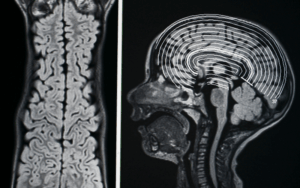
Neuroanatomical Abnormalities: Structural brain abnormalities have been observed in individuals with Schizophreniform Disorder. These include enlargement of the lateral and third ventricles, reduced hippocampal volume, and cortical gray matter abnormalities.
Neurodevelopmental Factors: Disruptions in brain development during prenatal and early childhood stages can contribute to the risk of Schizophreniform Disorder. Factors such as maternal infections, malnutrition, and stress during pregnancy, as well as early life trauma, have been linked to a higher likelihood of developing this condition.
Neuroinflammation: Chronic low-level inflammation in the brain has been linked to schizophrenia spectrum disorders, including Schizophreniform Disorder. Immune activation and elevated levels of cytokines can impact brain development, neurotransmitter systems, and contribute to cognitive and behavioral symptoms.
Dopamine Dysregulation: The dopamine hypothesis suggests that an imbalance in dopamine transmission, particularly in the mesolimbic and mesocortical pathways, contributes to the positive symptoms (hallucinations, delusions) observed in Schizophreniform Disorder. An increase in dopamine activity in certain brain areas can lead to excessive signaling and aberrant perceptions of reality.
Glutamate Hypothesis: Dysregulation of glutamate neurotransmission, particularly through the NMDA receptor pathway, is thought to contribute to the cognitive and negative symptoms (such as social withdrawal and cognitive deficits) seen in Schizophreniform Disorder. NMDA receptor dysfunction can disrupt neural networks and information processing.
Neurocircuitry Abnormalities: Functional connectivity disruptions within brain networks, including the default mode and salience networks, have been implicated in Schizophreniform Disorder. These abnormalities are associated with impaired self-awareness, attentional control, and emotional processing.
Etiology
Genetics: There is a genetic component to Schizophreniform Disorder, as evidenced by its higher prevalence among first-degree relatives of individuals with schizophrenia. Numerous genes are believed to play a role, and distinct genetic variations have been linked to an escalated risk.
Neurochemical Imbalance: Dopamine dysregulation is a central aspect of many theories related to schizophrenia spectrum disorders, including Schizophreniform Disorder. It is believed that an imbalance in dopamine transmission in certain brain regions can contribute to the development of psychotic symptoms.
Neurodevelopmental Factors: Disruptions in brain development during prenatal and early childhood stages can contribute to the risk of Schizophreniform Disorder. Factors such as maternal infections, malnutrition, stress during pregnancy, and early life trauma have been linked to a higher likelihood of developing this condition.
Neurostructural Abnormalities: Structural brain abnormalities, such as enlarged brain ventricles and reduced gray matter volume in certain brain regions, have been observed in individuals with Schizophreniform Disorder. These abnormalities may contribute to the cognitive and emotional disturbances seen in the disorder.
Neuroinflammation: There is emerging evidence suggesting that immune system dysfunction and neuroinflammation may play a role in the development of Schizophreniform Disorder. Inflammatory processes in the brain could disrupt neural circuits and contribute to the manifestation of symptoms.
Psychosocial Stressors: Stressful life events, trauma, and adverse childhood experiences can trigger or exacerbate symptoms of Schizophreniform Disorder. These psychosocial factors may interact with genetic predisposition and contribute to the onset of the disorder.
Genetics
Prognostic Factors
Presence of Negative Symptoms: Negative symptoms (such as lack of motivation, social withdrawal, and reduced emotional expression) can impact prognosis, as they are often associated with more functional impairment.
Response to Treatment: If an individual responds well to antipsychotic medications and psychosocial interventions, their prognosis may be improved.
Co-occurring Disorders: Other mental health conditions or substance use disorders can complicate the prognosis.
Clinical History
Physical Examination
Medical History: Gathering information about the patient’s medical history, including any previous medical or psychiatric diagnoses, family history, and current medications.
Laboratory Tests: Blood tests might be conducted to rule out any underlying medical conditions such as thyroid dysfunction or substance abuse that could be causing or exacerbating the symptoms.
Neurological Examination: A basic neurological examination might be performed to assess the patient’s reflexes, coordination, and sensory responses.
Substance Use Screening: It’s important to determine if substance abuse or withdrawal is contributing to the symptoms. Urine or blood tests might be conducted to screen for drugs or alcohol.
Age group
Associated comorbidity
Depressive Disorders: It’s not uncommon for individuals with schizophreniform disorder to experience symptoms of depression alongside their psychotic symptoms. Depressive symptoms can include low mood, decreased interest and feelings of worthlessness or guilt.
Anxiety Disorders: Anxiety disorders such as social anxiety or panic disorder can co-occur with schizophreniform disorder. Anxiety symptoms may exacerbate the distress caused by psychotic symptoms.
Substance Use Disorders: Some individuals with schizophreniform disorder might turn to substance use, such as alcohol or drugs, to cope with their symptoms. However, substance use can worsen the condition and complicate treatment.
Associated activity
Social Isolation: Psychotic symptoms and the stigma associated with mental illness can lead individuals with schizophreniform disorder to withdraw from social interactions, which can worsen feelings of isolation and loneliness.
Difficulty in Work/School: The cognitive and emotional disturbances associated with schizophreniform disorder can make performing well at work or in educational settings challenging.
Impaired Daily Functioning: Routine activities of daily living, such as personal hygiene, cooking, and managing finances, can become difficult due to the cognitive and emotional impairments caused by the disorder.
Disorganized Thinking: One of the hallmark symptoms of schizophreniform disorder is disorganized thinking. This can make communication and decision-making problematic.
Hallucinations and Delusions: Like in schizophrenia, hallucinations (perceiving things that aren’t there) and delusions (false beliefs) are common in schizophreniform disorder. These experiences can be distressing and disruptive.
Acuity of presentation
Acute Onset: Some individuals may experience a rapid and sudden onset of symptoms characteristic of Schizophreniform Disorder. This can involve a dramatic shift in behavior, thinking, emotions, and overall functioning over a relatively short period. Handling this kind of presentation could pose greater difficulties because of the severity of symptoms and and the rapid deterioration of functioning.
Insidious Onset: On the other hand, some individuals may have a more gradual and subtle development of symptoms. This means that the symptoms of Schizophreniform Disorder may develop slowly and steadily over a longer period, making it harder to pinpoint when exactly the disorder began to manifest. This type of presentation can sometimes be mistaken for other mental health issues or overlooked until the symptoms become more pronounced.
Differential Diagnoses
Schizophrenia: The primary distinction between Schizophreniform Disorder and schizophrenia is the duration of symptoms. Schizophrenia necessitates a minimum of six months of symptomatic manifestation, whereas Schizophreniform Disorder requires a duration of 1 to 6 months.
Brief Psychotic Disorder: This disorder involves the sudden onset of psychotic symptoms, which can be like those seen in Schizophreniform Disorder. However, Brief Psychotic Disorder lasts for less than 1 month and is usually triggered by a stressful event.
Schizoaffective Disorder: This disorder combines features of schizophrenia and a mood disorder, including major depressive disorder or bipolar disorder. It’s crucial to differentiate Schizophreniform Disorder from schizoaffective disorder as it involves prominent mood symptoms.
Delusional Disorder: Delusional Disorder is characterized by non-bizarre delusions (fixed false beliefs) without significant hallucinations or other prominent psychotic symptoms. The duration of the delusions is at least 1 month.
Substance-Induced Psychotic Disorder: Substance abuse or withdrawal from certain substances like alcohol or drugs can lead to symptoms resembling psychosis. A thorough history of substance use is essential to rule out this possibility.
Laboratory Studies
Imaging Studies
Procedures
Histologic Findings
Staging
Treatment Paradigm
Medication: Antipsychotic medications, also known as neuroleptics, are the cornerstone of pharmacological treatment. They help control the positive symptoms of the disorder, such as hallucinations, delusions, and disorganized thinking. There exist two primary categories of antipsychotic drugs: Typical (first-generation) and Atypical (second-generation) antipsychotics. Atypical antipsychotics are generally preferred due to their potentially lower risk of extrapyramidal side effects.
Psychotherapy: Psychotherapy plays an important role in helping individuals manage their symptoms, improve coping skills, and enhance their overall functioning. Cognitive Behavioral Therapy and supportive therapy are often used to address various aspects of the disorder, such as managing distressing symptoms and developing insight into the illness.
Psychosocial Interventions: Psychosocial interventions are aimed at improving an individual’s social, vocational, and daily life functioning. These interventions can include:
Family Therapy: Involves educating family members about the disorder, improving communication, and helping them support the individual’s recovery process.
Vocational Rehabilitation: Assists individuals in developing job skills, finding employment, and maintaining work-related stability.
Social Skills Training: Assists individuals in developing proficient social skills and enhancing their capacity to engage with peers.
Cognitive Remediation: Aims to improve cognitive functioning, such as attention, memory, and problem-solving abilities.
Supportive Care: Providing a supportive and structured environment is crucial for individuals with Schizophreniform Disorder. This can ensure access to housing, healthcare, and social services promoting stability and well-being.
Continued Monitoring and Follow-up: Regular monitoring and follow-up appointments with mental health professionals are important to assess the individual’s progress, adjust treatment as needed, and prevent relapse.
Therapeutic Support: Encourage the individual to engage in psychotherapy or counseling. Cognitive Behavioral and family therapy can be particularly helpful in addressing symptoms, improving coping strategies, and enhancing communication within the family.
Structured Routine: Establish a daily routine that includes regular sleep patterns, meals, and physical activity. A structured routine can help provide a sense of predictability and stability, which is important for individuals with Schizophreniform Disorder.
Safe and Calm Environment: Create a low-stress and stimulation environment. Avoid loud noises, bright lights, and chaotic surroundings that could exacerbate symptoms.
Social Support: Encourage social interactions with supportive friends and family members. However, be mindful of the individual’s comfort level and ensure that social interactions are not overwhelming.
Open Communication: Foster open and non-judgmental communication within the household. Encourage the individual to express their feelings and thoughts, and actively listen without criticizing or dismissing their experiences.
Limit Substance Use: Substance abuse can worsen symptoms and interfere with treatment. If the individual is using substances, encourage them to seek help in managing or quitting.
Reduce Stress: Assist the person in recognizing the origins of stress and collaborate to discover strategies for its alleviation. Approaches for managing stress, including techniques like deep breathing, mindfulness, and relaxation exercises, can offer significant advantages.
Encourage Hobbies: Engaging in enjoyable and meaningful activities can help improve mood and reduce symptoms. Encourage the individual to pursue hobbies or interests they are passionate about.
Education: Educate family members and close friends about Schizophreniform Disorder to foster understanding and empathy.
Role of Antipsychotics in Schizophreniform Disorder
The medication significantly impacts the central nervous system (CNS) through its competitive obstruction of postsynaptic dopamine D2 receptors within the mesolimbic dopaminergic system. The calming outcome is attributed to enhanced dopamine turnover.
Risperidone (Resperdal, Risperdal Consta)
The action of risperidone in treating Schizophreniform Disorder is related to its effects on certain neurotransmitters in the brain, particularly dopamine and serotonin. Risperidone falls under the category of atypical antipsychotics. and it works by blocking the activity of specific dopamine and serotonin receptors in the brain. This helps to alleviate the positive symptoms (such as hallucinations and delusions) and, to some extent, the negative symptoms associated with Schizophreniform Disorder.
The antipsychotic effect is achieved by blocking dopamine and serotonin type 2 receptors. Olanzapine is prescribed for managing psychosis and bipolar disorder.
Quetiapine is considered an atypical antipsychotic medication It blocks specific receptors for neurotransmitters within the brain, including dopamine and serotonin. This can help to reduce the intensity of hallucinations, delusions, and other psychotic symptoms associated with disorders like schizophreniform disorder.
Ziprasidone’s mechanism of action involves blocking dopamine and serotonin receptors in the brain. This can help alleviate the positive symptoms of psychotic disorders like hallucinations and delusions. Additionally, it has a lower likelihood of causing certain side effects, such as movement disorders (extrapyramidal symptoms), when compared to typical antipsychotics.
lurasidone’s mechanism of action is its interaction with dopamine receptors in the brain. It functions as a partial agonist targeting the dopamine D2 receptors, means it can both stimulate and inhibit these receptors to varying degrees. By having this dual activity, lurasidone can help balance dopamine signaling in areas of the brain associated with psychosis and mood regulation.
Asenapine acts as an antagonist (blocker) at several dopamine receptors, including D2 and D3 receptors. Doing so helps regulate the activity of dopamine By modulating dopamine receptor activity, asenapine can help manage symptoms associated with schizophrenia, such as delusions and hallucinations.
Role of Antimanic Agents in treating Schizophreniform Disorder
Lithium is prescribed for the management of bipolar disorder. Although the precise mechanism of its effects remains unidentified, the medication modifies the transportation of sodium in nerve and muscle cells, and it also impacts the reuptake of serotonin, norepinephrine, or both at cellular membranes.
Effectiveness of Antidepressants in treating Schizophreniform Disorder
Fluoxetine is categorized as a selective serotonin reuptake inhibitor It is primarily used as an antidepressant.
The main mechanism of action of fluoxetine is by inhibiting the reuptake of serotonin in the synaptic gap between neurons. Normally, after serotonin is released from one neuron (presynaptic neuron), it’s taken back up by the same neuron through a process called reuptake.
Sertraline is a medication primarily used to treat depression, anxiety disorders, By increasing the availability of serotonin in synapses, sertraline enhances neurotransmission, which can help improve mood, reduce anxiety, and alleviate other related symptoms. It essentially enhances the communication between nerve cells in the brain.
Paroxetine demonstrates a strong ability to selectively inhibit the reuptake of neuronal serotonin. Its impact on neurons’ reuptake of norepinephrine and dopamine is relatively mild. It’s crucial to modify the drug dosage to keep the patient on the most minimal adequate amount when it comes to maintenance. Regular evaluations of the patient’s condition should also be conducted to ascertain whether ongoing treatment is necessary.
Fluvoxamine works by inhibiting serotonin reuptake, preventing its rapid removal from the synaptic gap. By blocking the serotonin transporter, the drug allows serotonin to remain in the synaptic gap longer. This leads to increased serotonin levels around the receptor sites on the receiving neuron, enhancing neurotransmission and potentially alleviating symptoms like OCD, social anxiety, and depression.
Citalopram is a SSRI that is commonly used as an antidepressant medication. Its primary mechanism of action involves affecting the neurotransmitter’s serotonin levels in the brain.
ffectiveness of Anticonvulsants, Other agents in Schizophreniform Disorder
Valproic acid and derivatives (Depakote, Depakene,Depacon)
Valproic acid is a medication primarily used to treat epilepsy and bipolar disorder. It works by affecting various neurotransmitter systems and ion channels in the brain. Valproic acid has been recognized for its capability to elevate the levels of gamma-aminobutyric acid, a neurotransmitter with inhibitory functions in the brain. Doing so promotes the inhibitory effects of GABA, which can help reduce excessive neuronal activity and prevent seizures.
Carbamazepine (Tegretol, Carbatrol, Epitol)
Carbamazepine is prescribed for the management of epilepsy and trigeminal neuralgia. Both research findings and clinical observations support its efficacy in addressing the manic subtype of schizoaffective disorder.
Psychosocial Interventions: These interventions focus on helping individuals improve their social and vocational functioning. This can include vocational training, education, and social skills training to enhance their daily life management skills.
Complementary Therapies: Some individuals find benefit in complementary therapies such as mindfulness meditation, yoga, art therapy, and music therapy.
Assessment Phase: This phase thoroughly assesses the individual’s symptoms, medical history, family history, and potential underlying causes. A differential diagnosis is essential to rule out other possible causes of the symptoms, such as substance abuse, medical conditions, or other mental disorders.
Acute Treatment Phase: During the acute phase, the focus is on reducing the intensity of the individual’s symptoms and providing support. This often involves the use of antipsychotic medications to manage hallucinations, delusions, and disorganized thinking. Psychosocial interventions, such as psychoeducation for the individual and their family, may also be implemented to help manage stress and improve coping skills.
Stabilization Phase: Once the acute symptoms are under control, the stabilization phase aims to maintain the individual’s progress and prevent relapse. This phase may involve adjusting medication dosages, monitoring for side effects, and continuing psychotherapy or other psychosocial interventions to enhance the individual’s functioning and resilience.
Long-Term Management Phase: Individuals with Schizophreniform Disorder may transition into long-term management, which involves ongoing treatment and support to prevent future episodes and improve overall quality of life. This phase may include regular follow-up appointments with mental health professionals, continued medication management, and participation in support groups or vocational rehabilitation programs.
Recovery and Rehabilitation: The goal of management is to help individuals recover and regain their functional abilities. Rehabilitation efforts can include vocational and educational support, social skills training, and assistance with independent living skills. Family involvement and support play a crucial role in this phase.
Prevention of Relapse: Preventing relapse is crucial to managing Schizophreniform Disorder. This involves ongoing medication adherence, regular monitoring of symptoms, and early intervention if any signs of relapse emerge. Maintaining a stable lifestyle, managing stress, and engaging in therapeutic activities can prevent relapse.
Schizophreniform Disorder is a psychiatric condition that exhibits resemblances to schizophrenia.but is characterized by a shorter duration of symptoms.
It falls within the spectrum of psychotic disorders and is typically diagnosed when an individual experiences symptom of schizophrenia, such as delusions, hallucinations, disorganized thinking, or speech, and grossly disorganized or catatonic behavior, but these symptoms last for a period of at least one month but less than six months.
Prevalence: The prevalence of Schizophreniform Disorder is lower compared to that of schizophrenia. It is considered a relatively rare disorder.
Age of Onset: Schizophreniform Disorder typically emerges in late adolescence or early adulthood, like the age of onset for schizophrenia. It’s less commonly diagnosed in childhood or later in life.
Gender Differences: There doesn’t appear to be a significant gender difference in the prevalence of Schizophreniform Disorder. Both males and females are equally affected.
Cultural and Ethnic Factors: The prevalence and presentation of Schizophreniform Disorder might vary across different cultures and ethnic groups. Some research suggests that certain cultural factors can influence the expression of symptoms and the course of the disorder.
Risk Factors: Risk factors for Schizophreniform Disorder are like those for schizophrenia and might include genetic predisposition, neurobiological factors, environmental stressors, and psychosocial factors.
Genetic Factors: There is a significant genetic component to Schizophreniform Disorder, with a higher risk among individuals who have a family history of schizophrenia or related disorders. Multiple genes have been implicated in increasing susceptibility, although no single gene has been definitively linked to the disorder.
Neurochemical Imbalances: Dysregulation of neurotransmitters, particularly dopamine, glutamate, and serotonin, is thought to contribute to the symptoms of Schizophreniform Disorder. The dopamine hypothesis suggests that an overactivity of dopamine transmission in certain brain regions may lead to positive symptoms like hallucinations and delusions.
Neuroanatomical Abnormalities: Structural brain abnormalities have been observed in individuals with Schizophreniform Disorder. These include enlargement of the lateral and third ventricles, reduced hippocampal volume, and cortical gray matter abnormalities.
Neurodevelopmental Factors: Disruptions in brain development during prenatal and early childhood stages can contribute to the risk of Schizophreniform Disorder. Factors such as maternal infections, malnutrition, and stress during pregnancy, as well as early life trauma, have been linked to a higher likelihood of developing this condition.
Neuroinflammation: Chronic low-level inflammation in the brain has been linked to schizophrenia spectrum disorders, including Schizophreniform Disorder. Immune activation and elevated levels of cytokines can impact brain development, neurotransmitter systems, and contribute to cognitive and behavioral symptoms.
Dopamine Dysregulation: The dopamine hypothesis suggests that an imbalance in dopamine transmission, particularly in the mesolimbic and mesocortical pathways, contributes to the positive symptoms (hallucinations, delusions) observed in Schizophreniform Disorder. An increase in dopamine activity in certain brain areas can lead to excessive signaling and aberrant perceptions of reality.
Glutamate Hypothesis: Dysregulation of glutamate neurotransmission, particularly through the NMDA receptor pathway, is thought to contribute to the cognitive and negative symptoms (such as social withdrawal and cognitive deficits) seen in Schizophreniform Disorder. NMDA receptor dysfunction can disrupt neural networks and information processing.
Neurocircuitry Abnormalities: Functional connectivity disruptions within brain networks, including the default mode and salience networks, have been implicated in Schizophreniform Disorder. These abnormalities are associated with impaired self-awareness, attentional control, and emotional processing.
Genetics: There is a genetic component to Schizophreniform Disorder, as evidenced by its higher prevalence among first-degree relatives of individuals with schizophrenia. Numerous genes are believed to play a role, and distinct genetic variations have been linked to an escalated risk.
Neurochemical Imbalance: Dopamine dysregulation is a central aspect of many theories related to schizophrenia spectrum disorders, including Schizophreniform Disorder. It is believed that an imbalance in dopamine transmission in certain brain regions can contribute to the development of psychotic symptoms.
Neurodevelopmental Factors: Disruptions in brain development during prenatal and early childhood stages can contribute to the risk of Schizophreniform Disorder. Factors such as maternal infections, malnutrition, stress during pregnancy, and early life trauma have been linked to a higher likelihood of developing this condition.
Neurostructural Abnormalities: Structural brain abnormalities, such as enlarged brain ventricles and reduced gray matter volume in certain brain regions, have been observed in individuals with Schizophreniform Disorder. These abnormalities may contribute to the cognitive and emotional disturbances seen in the disorder.
Neuroinflammation: There is emerging evidence suggesting that immune system dysfunction and neuroinflammation may play a role in the development of Schizophreniform Disorder. Inflammatory processes in the brain could disrupt neural circuits and contribute to the manifestation of symptoms.
Psychosocial Stressors: Stressful life events, trauma, and adverse childhood experiences can trigger or exacerbate symptoms of Schizophreniform Disorder. These psychosocial factors may interact with genetic predisposition and contribute to the onset of the disorder.
Presence of Negative Symptoms: Negative symptoms (such as lack of motivation, social withdrawal, and reduced emotional expression) can impact prognosis, as they are often associated with more functional impairment.
Response to Treatment: If an individual responds well to antipsychotic medications and psychosocial interventions, their prognosis may be improved.
Co-occurring Disorders: Other mental health conditions or substance use disorders can complicate the prognosis.
Medical History: Gathering information about the patient’s medical history, including any previous medical or psychiatric diagnoses, family history, and current medications.
Laboratory Tests: Blood tests might be conducted to rule out any underlying medical conditions such as thyroid dysfunction or substance abuse that could be causing or exacerbating the symptoms.
Neurological Examination: A basic neurological examination might be performed to assess the patient’s reflexes, coordination, and sensory responses.
Substance Use Screening: It’s important to determine if substance abuse or withdrawal is contributing to the symptoms. Urine or blood tests might be conducted to screen for drugs or alcohol.
Depressive Disorders: It’s not uncommon for individuals with schizophreniform disorder to experience symptoms of depression alongside their psychotic symptoms. Depressive symptoms can include low mood, decreased interest and feelings of worthlessness or guilt.
Anxiety Disorders: Anxiety disorders such as social anxiety or panic disorder can co-occur with schizophreniform disorder. Anxiety symptoms may exacerbate the distress caused by psychotic symptoms.
Substance Use Disorders: Some individuals with schizophreniform disorder might turn to substance use, such as alcohol or drugs, to cope with their symptoms. However, substance use can worsen the condition and complicate treatment.
Acute Onset: Some individuals may experience a rapid and sudden onset of symptoms characteristic of Schizophreniform Disorder. This can involve a dramatic shift in behavior, thinking, emotions, and overall functioning over a relatively short period. Handling this kind of presentation could pose greater difficulties because of the severity of symptoms and and the rapid deterioration of functioning.
Insidious Onset: On the other hand, some individuals may have a more gradual and subtle development of symptoms. This means that the symptoms of Schizophreniform Disorder may develop slowly and steadily over a longer period, making it harder to pinpoint when exactly the disorder began to manifest. This type of presentation can sometimes be mistaken for other mental health issues or overlooked until the symptoms become more pronounced.
Social Isolation: Psychotic symptoms and the stigma associated with mental illness can lead individuals with schizophreniform disorder to withdraw from social interactions, which can worsen feelings of isolation and loneliness.
Difficulty in Work/School: The cognitive and emotional disturbances associated with schizophreniform disorder can make performing well at work or in educational settings challenging.
Impaired Daily Functioning: Routine activities of daily living, such as personal hygiene, cooking, and managing finances, can become difficult due to the cognitive and emotional impairments caused by the disorder.
Disorganized Thinking: One of the hallmark symptoms of schizophreniform disorder is disorganized thinking. This can make communication and decision-making problematic.
Hallucinations and Delusions: Like in schizophrenia, hallucinations (perceiving things that aren’t there) and delusions (false beliefs) are common in schizophreniform disorder. These experiences can be distressing and disruptive.
Schizophrenia: The primary distinction between Schizophreniform Disorder and schizophrenia is the duration of symptoms. Schizophrenia necessitates a minimum of six months of symptomatic manifestation, whereas Schizophreniform Disorder requires a duration of 1 to 6 months.
Brief Psychotic Disorder: This disorder involves the sudden onset of psychotic symptoms, which can be like those seen in Schizophreniform Disorder. However, Brief Psychotic Disorder lasts for less than 1 month and is usually triggered by a stressful event.
Schizoaffective Disorder: This disorder combines features of schizophrenia and a mood disorder, including major depressive disorder or bipolar disorder. It’s crucial to differentiate Schizophreniform Disorder from schizoaffective disorder as it involves prominent mood symptoms.
Delusional Disorder: Delusional Disorder is characterized by non-bizarre delusions (fixed false beliefs) without significant hallucinations or other prominent psychotic symptoms. The duration of the delusions is at least 1 month.
Substance-Induced Psychotic Disorder: Substance abuse or withdrawal from certain substances like alcohol or drugs can lead to symptoms resembling psychosis. A thorough history of substance use is essential to rule out this possibility.
Medication: Antipsychotic medications, also known as neuroleptics, are the cornerstone of pharmacological treatment. They help control the positive symptoms of the disorder, such as hallucinations, delusions, and disorganized thinking. There exist two primary categories of antipsychotic drugs: Typical (first-generation) and Atypical (second-generation) antipsychotics. Atypical antipsychotics are generally preferred due to their potentially lower risk of extrapyramidal side effects.
Psychotherapy: Psychotherapy plays an important role in helping individuals manage their symptoms, improve coping skills, and enhance their overall functioning. Cognitive Behavioral Therapy and supportive therapy are often used to address various aspects of the disorder, such as managing distressing symptoms and developing insight into the illness.
Psychosocial Interventions: Psychosocial interventions are aimed at improving an individual’s social, vocational, and daily life functioning. These interventions can include:
Family Therapy: Involves educating family members about the disorder, improving communication, and helping them support the individual’s recovery process.
Vocational Rehabilitation: Assists individuals in developing job skills, finding employment, and maintaining work-related stability.
Social Skills Training: Assists individuals in developing proficient social skills and enhancing their capacity to engage with peers.
Cognitive Remediation: Aims to improve cognitive functioning, such as attention, memory, and problem-solving abilities.
Supportive Care: Providing a supportive and structured environment is crucial for individuals with Schizophreniform Disorder. This can ensure access to housing, healthcare, and social services promoting stability and well-being.
Continued Monitoring and Follow-up: Regular monitoring and follow-up appointments with mental health professionals are important to assess the individual’s progress, adjust treatment as needed, and prevent relapse.
Therapeutic Support: Encourage the individual to engage in psychotherapy or counseling. Cognitive Behavioral and family therapy can be particularly helpful in addressing symptoms, improving coping strategies, and enhancing communication within the family.
Structured Routine: Establish a daily routine that includes regular sleep patterns, meals, and physical activity. A structured routine can help provide a sense of predictability and stability, which is important for individuals with Schizophreniform Disorder.
Safe and Calm Environment: Create a low-stress and stimulation environment. Avoid loud noises, bright lights, and chaotic surroundings that could exacerbate symptoms.
Social Support: Encourage social interactions with supportive friends and family members. However, be mindful of the individual’s comfort level and ensure that social interactions are not overwhelming.
Open Communication: Foster open and non-judgmental communication within the household. Encourage the individual to express their feelings and thoughts, and actively listen without criticizing or dismissing their experiences.
Limit Substance Use: Substance abuse can worsen symptoms and interfere with treatment. If the individual is using substances, encourage them to seek help in managing or quitting.
Reduce Stress: Assist the person in recognizing the origins of stress and collaborate to discover strategies for its alleviation. Approaches for managing stress, including techniques like deep breathing, mindfulness, and relaxation exercises, can offer significant advantages.
Encourage Hobbies: Engaging in enjoyable and meaningful activities can help improve mood and reduce symptoms. Encourage the individual to pursue hobbies or interests they are passionate about.
Education: Educate family members and close friends about Schizophreniform Disorder to foster understanding and empathy.
The medication significantly impacts the central nervous system (CNS) through its competitive obstruction of postsynaptic dopamine D2 receptors within the mesolimbic dopaminergic system. The calming outcome is attributed to enhanced dopamine turnover.
Risperidone (Resperdal, Risperdal Consta)
The action of risperidone in treating Schizophreniform Disorder is related to its effects on certain neurotransmitters in the brain, particularly dopamine and serotonin. Risperidone falls under the category of atypical antipsychotics. and it works by blocking the activity of specific dopamine and serotonin receptors in the brain. This helps to alleviate the positive symptoms (such as hallucinations and delusions) and, to some extent, the negative symptoms associated with Schizophreniform Disorder.
The antipsychotic effect is achieved by blocking dopamine and serotonin type 2 receptors. Olanzapine is prescribed for managing psychosis and bipolar disorder.
Quetiapine is considered an atypical antipsychotic medication It blocks specific receptors for neurotransmitters within the brain, including dopamine and serotonin. This can help to reduce the intensity of hallucinations, delusions, and other psychotic symptoms associated with disorders like schizophreniform disorder.
Ziprasidone’s mechanism of action involves blocking dopamine and serotonin receptors in the brain. This can help alleviate the positive symptoms of psychotic disorders like hallucinations and delusions. Additionally, it has a lower likelihood of causing certain side effects, such as movement disorders (extrapyramidal symptoms), when compared to typical antipsychotics.
lurasidone’s mechanism of action is its interaction with dopamine receptors in the brain. It functions as a partial agonist targeting the dopamine D2 receptors, means it can both stimulate and inhibit these receptors to varying degrees. By having this dual activity, lurasidone can help balance dopamine signaling in areas of the brain associated with psychosis and mood regulation.
Asenapine acts as an antagonist (blocker) at several dopamine receptors, including D2 and D3 receptors. Doing so helps regulate the activity of dopamine By modulating dopamine receptor activity, asenapine can help manage symptoms associated with schizophrenia, such as delusions and hallucinations.
Lithium is prescribed for the management of bipolar disorder. Although the precise mechanism of its effects remains unidentified, the medication modifies the transportation of sodium in nerve and muscle cells, and it also impacts the reuptake of serotonin, norepinephrine, or both at cellular membranes.
Fluoxetine is categorized as a selective serotonin reuptake inhibitor It is primarily used as an antidepressant.
The main mechanism of action of fluoxetine is by inhibiting the reuptake of serotonin in the synaptic gap between neurons. Normally, after serotonin is released from one neuron (presynaptic neuron), it’s taken back up by the same neuron through a process called reuptake.
Sertraline is a medication primarily used to treat depression, anxiety disorders, By increasing the availability of serotonin in synapses, sertraline enhances neurotransmission, which can help improve mood, reduce anxiety, and alleviate other related symptoms. It essentially enhances the communication between nerve cells in the brain.
Paroxetine demonstrates a strong ability to selectively inhibit the reuptake of neuronal serotonin. Its impact on neurons’ reuptake of norepinephrine and dopamine is relatively mild. It’s crucial to modify the drug dosage to keep the patient on the most minimal adequate amount when it comes to maintenance. Regular evaluations of the patient’s condition should also be conducted to ascertain whether ongoing treatment is necessary.
Fluvoxamine works by inhibiting serotonin reuptake, preventing its rapid removal from the synaptic gap. By blocking the serotonin transporter, the drug allows serotonin to remain in the synaptic gap longer. This leads to increased serotonin levels around the receptor sites on the receiving neuron, enhancing neurotransmission and potentially alleviating symptoms like OCD, social anxiety, and depression.
Citalopram is a SSRI that is commonly used as an antidepressant medication. Its primary mechanism of action involves affecting the neurotransmitter’s serotonin levels in the brain.
Valproic acid and derivatives (Depakote, Depakene,Depacon)
Valproic acid is a medication primarily used to treat epilepsy and bipolar disorder. It works by affecting various neurotransmitter systems and ion channels in the brain. Valproic acid has been recognized for its capability to elevate the levels of gamma-aminobutyric acid, a neurotransmitter with inhibitory functions in the brain. Doing so promotes the inhibitory effects of GABA, which can help reduce excessive neuronal activity and prevent seizures.
Carbamazepine (Tegretol, Carbatrol, Epitol)
Carbamazepine is prescribed for the management of epilepsy and trigeminal neuralgia. Both research findings and clinical observations support its efficacy in addressing the manic subtype of schizoaffective disorder.
Schizophreniform Disorder is a psychiatric condition that exhibits resemblances to schizophrenia.but is characterized by a shorter duration of symptoms.
It falls within the spectrum of psychotic disorders and is typically diagnosed when an individual experiences symptom of schizophrenia, such as delusions, hallucinations, disorganized thinking, or speech, and grossly disorganized or catatonic behavior, but these symptoms last for a period of at least one month but less than six months.
Prevalence: The prevalence of Schizophreniform Disorder is lower compared to that of schizophrenia. It is considered a relatively rare disorder.
Age of Onset: Schizophreniform Disorder typically emerges in late adolescence or early adulthood, like the age of onset for schizophrenia. It’s less commonly diagnosed in childhood or later in life.
Gender Differences: There doesn’t appear to be a significant gender difference in the prevalence of Schizophreniform Disorder. Both males and females are equally affected.
Cultural and Ethnic Factors: The prevalence and presentation of Schizophreniform Disorder might vary across different cultures and ethnic groups. Some research suggests that certain cultural factors can influence the expression of symptoms and the course of the disorder.
Risk Factors: Risk factors for Schizophreniform Disorder are like those for schizophrenia and might include genetic predisposition, neurobiological factors, environmental stressors, and psychosocial factors.
Genetic Factors: There is a significant genetic component to Schizophreniform Disorder, with a higher risk among individuals who have a family history of schizophrenia or related disorders. Multiple genes have been implicated in increasing susceptibility, although no single gene has been definitively linked to the disorder.
Neurochemical Imbalances: Dysregulation of neurotransmitters, particularly dopamine, glutamate, and serotonin, is thought to contribute to the symptoms of Schizophreniform Disorder. The dopamine hypothesis suggests that an overactivity of dopamine transmission in certain brain regions may lead to positive symptoms like hallucinations and delusions.
Neuroanatomical Abnormalities: Structural brain abnormalities have been observed in individuals with Schizophreniform Disorder. These include enlargement of the lateral and third ventricles, reduced hippocampal volume, and cortical gray matter abnormalities.
Neurodevelopmental Factors: Disruptions in brain development during prenatal and early childhood stages can contribute to the risk of Schizophreniform Disorder. Factors such as maternal infections, malnutrition, and stress during pregnancy, as well as early life trauma, have been linked to a higher likelihood of developing this condition.
Neuroinflammation: Chronic low-level inflammation in the brain has been linked to schizophrenia spectrum disorders, including Schizophreniform Disorder. Immune activation and elevated levels of cytokines can impact brain development, neurotransmitter systems, and contribute to cognitive and behavioral symptoms.
Dopamine Dysregulation: The dopamine hypothesis suggests that an imbalance in dopamine transmission, particularly in the mesolimbic and mesocortical pathways, contributes to the positive symptoms (hallucinations, delusions) observed in Schizophreniform Disorder. An increase in dopamine activity in certain brain areas can lead to excessive signaling and aberrant perceptions of reality.
Glutamate Hypothesis: Dysregulation of glutamate neurotransmission, particularly through the NMDA receptor pathway, is thought to contribute to the cognitive and negative symptoms (such as social withdrawal and cognitive deficits) seen in Schizophreniform Disorder. NMDA receptor dysfunction can disrupt neural networks and information processing.
Neurocircuitry Abnormalities: Functional connectivity disruptions within brain networks, including the default mode and salience networks, have been implicated in Schizophreniform Disorder. These abnormalities are associated with impaired self-awareness, attentional control, and emotional processing.
Genetics: There is a genetic component to Schizophreniform Disorder, as evidenced by its higher prevalence among first-degree relatives of individuals with schizophrenia. Numerous genes are believed to play a role, and distinct genetic variations have been linked to an escalated risk.
Neurochemical Imbalance: Dopamine dysregulation is a central aspect of many theories related to schizophrenia spectrum disorders, including Schizophreniform Disorder. It is believed that an imbalance in dopamine transmission in certain brain regions can contribute to the development of psychotic symptoms.
Neurodevelopmental Factors: Disruptions in brain development during prenatal and early childhood stages can contribute to the risk of Schizophreniform Disorder. Factors such as maternal infections, malnutrition, stress during pregnancy, and early life trauma have been linked to a higher likelihood of developing this condition.
Neurostructural Abnormalities: Structural brain abnormalities, such as enlarged brain ventricles and reduced gray matter volume in certain brain regions, have been observed in individuals with Schizophreniform Disorder. These abnormalities may contribute to the cognitive and emotional disturbances seen in the disorder.
Neuroinflammation: There is emerging evidence suggesting that immune system dysfunction and neuroinflammation may play a role in the development of Schizophreniform Disorder. Inflammatory processes in the brain could disrupt neural circuits and contribute to the manifestation of symptoms.
Psychosocial Stressors: Stressful life events, trauma, and adverse childhood experiences can trigger or exacerbate symptoms of Schizophreniform Disorder. These psychosocial factors may interact with genetic predisposition and contribute to the onset of the disorder.
Presence of Negative Symptoms: Negative symptoms (such as lack of motivation, social withdrawal, and reduced emotional expression) can impact prognosis, as they are often associated with more functional impairment.
Response to Treatment: If an individual responds well to antipsychotic medications and psychosocial interventions, their prognosis may be improved.
Co-occurring Disorders: Other mental health conditions or substance use disorders can complicate the prognosis.
Medical History: Gathering information about the patient’s medical history, including any previous medical or psychiatric diagnoses, family history, and current medications.
Laboratory Tests: Blood tests might be conducted to rule out any underlying medical conditions such as thyroid dysfunction or substance abuse that could be causing or exacerbating the symptoms.
Neurological Examination: A basic neurological examination might be performed to assess the patient’s reflexes, coordination, and sensory responses.
Substance Use Screening: It’s important to determine if substance abuse or withdrawal is contributing to the symptoms. Urine or blood tests might be conducted to screen for drugs or alcohol.
Depressive Disorders: It’s not uncommon for individuals with schizophreniform disorder to experience symptoms of depression alongside their psychotic symptoms. Depressive symptoms can include low mood, decreased interest and feelings of worthlessness or guilt.
Anxiety Disorders: Anxiety disorders such as social anxiety or panic disorder can co-occur with schizophreniform disorder. Anxiety symptoms may exacerbate the distress caused by psychotic symptoms.
Substance Use Disorders: Some individuals with schizophreniform disorder might turn to substance use, such as alcohol or drugs, to cope with their symptoms. However, substance use can worsen the condition and complicate treatment.
Acute Onset: Some individuals may experience a rapid and sudden onset of symptoms characteristic of Schizophreniform Disorder. This can involve a dramatic shift in behavior, thinking, emotions, and overall functioning over a relatively short period. Handling this kind of presentation could pose greater difficulties because of the severity of symptoms and and the rapid deterioration of functioning.
Insidious Onset: On the other hand, some individuals may have a more gradual and subtle development of symptoms. This means that the symptoms of Schizophreniform Disorder may develop slowly and steadily over a longer period, making it harder to pinpoint when exactly the disorder began to manifest. This type of presentation can sometimes be mistaken for other mental health issues or overlooked until the symptoms become more pronounced.
Social Isolation: Psychotic symptoms and the stigma associated with mental illness can lead individuals with schizophreniform disorder to withdraw from social interactions, which can worsen feelings of isolation and loneliness.
Difficulty in Work/School: The cognitive and emotional disturbances associated with schizophreniform disorder can make performing well at work or in educational settings challenging.
Impaired Daily Functioning: Routine activities of daily living, such as personal hygiene, cooking, and managing finances, can become difficult due to the cognitive and emotional impairments caused by the disorder.
Disorganized Thinking: One of the hallmark symptoms of schizophreniform disorder is disorganized thinking. This can make communication and decision-making problematic.
Hallucinations and Delusions: Like in schizophrenia, hallucinations (perceiving things that aren’t there) and delusions (false beliefs) are common in schizophreniform disorder. These experiences can be distressing and disruptive.
Schizophrenia: The primary distinction between Schizophreniform Disorder and schizophrenia is the duration of symptoms. Schizophrenia necessitates a minimum of six months of symptomatic manifestation, whereas Schizophreniform Disorder requires a duration of 1 to 6 months.
Brief Psychotic Disorder: This disorder involves the sudden onset of psychotic symptoms, which can be like those seen in Schizophreniform Disorder. However, Brief Psychotic Disorder lasts for less than 1 month and is usually triggered by a stressful event.
Schizoaffective Disorder: This disorder combines features of schizophrenia and a mood disorder, including major depressive disorder or bipolar disorder. It’s crucial to differentiate Schizophreniform Disorder from schizoaffective disorder as it involves prominent mood symptoms.
Delusional Disorder: Delusional Disorder is characterized by non-bizarre delusions (fixed false beliefs) without significant hallucinations or other prominent psychotic symptoms. The duration of the delusions is at least 1 month.
Substance-Induced Psychotic Disorder: Substance abuse or withdrawal from certain substances like alcohol or drugs can lead to symptoms resembling psychosis. A thorough history of substance use is essential to rule out this possibility.
Medication: Antipsychotic medications, also known as neuroleptics, are the cornerstone of pharmacological treatment. They help control the positive symptoms of the disorder, such as hallucinations, delusions, and disorganized thinking. There exist two primary categories of antipsychotic drugs: Typical (first-generation) and Atypical (second-generation) antipsychotics. Atypical antipsychotics are generally preferred due to their potentially lower risk of extrapyramidal side effects.
Psychotherapy: Psychotherapy plays an important role in helping individuals manage their symptoms, improve coping skills, and enhance their overall functioning. Cognitive Behavioral Therapy and supportive therapy are often used to address various aspects of the disorder, such as managing distressing symptoms and developing insight into the illness.
Psychosocial Interventions: Psychosocial interventions are aimed at improving an individual’s social, vocational, and daily life functioning. These interventions can include:
Family Therapy: Involves educating family members about the disorder, improving communication, and helping them support the individual’s recovery process.
Vocational Rehabilitation: Assists individuals in developing job skills, finding employment, and maintaining work-related stability.
Social Skills Training: Assists individuals in developing proficient social skills and enhancing their capacity to engage with peers.
Cognitive Remediation: Aims to improve cognitive functioning, such as attention, memory, and problem-solving abilities.
Supportive Care: Providing a supportive and structured environment is crucial for individuals with Schizophreniform Disorder. This can ensure access to housing, healthcare, and social services promoting stability and well-being.
Continued Monitoring and Follow-up: Regular monitoring and follow-up appointments with mental health professionals are important to assess the individual’s progress, adjust treatment as needed, and prevent relapse.
Therapeutic Support: Encourage the individual to engage in psychotherapy or counseling. Cognitive Behavioral and family therapy can be particularly helpful in addressing symptoms, improving coping strategies, and enhancing communication within the family.
Structured Routine: Establish a daily routine that includes regular sleep patterns, meals, and physical activity. A structured routine can help provide a sense of predictability and stability, which is important for individuals with Schizophreniform Disorder.
Safe and Calm Environment: Create a low-stress and stimulation environment. Avoid loud noises, bright lights, and chaotic surroundings that could exacerbate symptoms.
Social Support: Encourage social interactions with supportive friends and family members. However, be mindful of the individual’s comfort level and ensure that social interactions are not overwhelming.
Open Communication: Foster open and non-judgmental communication within the household. Encourage the individual to express their feelings and thoughts, and actively listen without criticizing or dismissing their experiences.
Limit Substance Use: Substance abuse can worsen symptoms and interfere with treatment. If the individual is using substances, encourage them to seek help in managing or quitting.
Reduce Stress: Assist the person in recognizing the origins of stress and collaborate to discover strategies for its alleviation. Approaches for managing stress, including techniques like deep breathing, mindfulness, and relaxation exercises, can offer significant advantages.
Encourage Hobbies: Engaging in enjoyable and meaningful activities can help improve mood and reduce symptoms. Encourage the individual to pursue hobbies or interests they are passionate about.
Education: Educate family members and close friends about Schizophreniform Disorder to foster understanding and empathy.
The medication significantly impacts the central nervous system (CNS) through its competitive obstruction of postsynaptic dopamine D2 receptors within the mesolimbic dopaminergic system. The calming outcome is attributed to enhanced dopamine turnover.
Risperidone (Resperdal, Risperdal Consta)
The action of risperidone in treating Schizophreniform Disorder is related to its effects on certain neurotransmitters in the brain, particularly dopamine and serotonin. Risperidone falls under the category of atypical antipsychotics. and it works by blocking the activity of specific dopamine and serotonin receptors in the brain. This helps to alleviate the positive symptoms (such as hallucinations and delusions) and, to some extent, the negative symptoms associated with Schizophreniform Disorder.
The antipsychotic effect is achieved by blocking dopamine and serotonin type 2 receptors. Olanzapine is prescribed for managing psychosis and bipolar disorder.
Quetiapine is considered an atypical antipsychotic medication It blocks specific receptors for neurotransmitters within the brain, including dopamine and serotonin. This can help to reduce the intensity of hallucinations, delusions, and other psychotic symptoms associated with disorders like schizophreniform disorder.
Ziprasidone’s mechanism of action involves blocking dopamine and serotonin receptors in the brain. This can help alleviate the positive symptoms of psychotic disorders like hallucinations and delusions. Additionally, it has a lower likelihood of causing certain side effects, such as movement disorders (extrapyramidal symptoms), when compared to typical antipsychotics.
lurasidone’s mechanism of action is its interaction with dopamine receptors in the brain. It functions as a partial agonist targeting the dopamine D2 receptors, means it can both stimulate and inhibit these receptors to varying degrees. By having this dual activity, lurasidone can help balance dopamine signaling in areas of the brain associated with psychosis and mood regulation.
Asenapine acts as an antagonist (blocker) at several dopamine receptors, including D2 and D3 receptors. Doing so helps regulate the activity of dopamine By modulating dopamine receptor activity, asenapine can help manage symptoms associated with schizophrenia, such as delusions and hallucinations.
Lithium is prescribed for the management of bipolar disorder. Although the precise mechanism of its effects remains unidentified, the medication modifies the transportation of sodium in nerve and muscle cells, and it also impacts the reuptake of serotonin, norepinephrine, or both at cellular membranes.
Fluoxetine is categorized as a selective serotonin reuptake inhibitor It is primarily used as an antidepressant.
The main mechanism of action of fluoxetine is by inhibiting the reuptake of serotonin in the synaptic gap between neurons. Normally, after serotonin is released from one neuron (presynaptic neuron), it’s taken back up by the same neuron through a process called reuptake.
Sertraline is a medication primarily used to treat depression, anxiety disorders, By increasing the availability of serotonin in synapses, sertraline enhances neurotransmission, which can help improve mood, reduce anxiety, and alleviate other related symptoms. It essentially enhances the communication between nerve cells in the brain.
Paroxetine demonstrates a strong ability to selectively inhibit the reuptake of neuronal serotonin. Its impact on neurons’ reuptake of norepinephrine and dopamine is relatively mild. It’s crucial to modify the drug dosage to keep the patient on the most minimal adequate amount when it comes to maintenance. Regular evaluations of the patient’s condition should also be conducted to ascertain whether ongoing treatment is necessary.
Fluvoxamine works by inhibiting serotonin reuptake, preventing its rapid removal from the synaptic gap. By blocking the serotonin transporter, the drug allows serotonin to remain in the synaptic gap longer. This leads to increased serotonin levels around the receptor sites on the receiving neuron, enhancing neurotransmission and potentially alleviating symptoms like OCD, social anxiety, and depression.
Citalopram is a SSRI that is commonly used as an antidepressant medication. Its primary mechanism of action involves affecting the neurotransmitter’s serotonin levels in the brain.
Valproic acid and derivatives (Depakote, Depakene,Depacon)
Valproic acid is a medication primarily used to treat epilepsy and bipolar disorder. It works by affecting various neurotransmitter systems and ion channels in the brain. Valproic acid has been recognized for its capability to elevate the levels of gamma-aminobutyric acid, a neurotransmitter with inhibitory functions in the brain. Doing so promotes the inhibitory effects of GABA, which can help reduce excessive neuronal activity and prevent seizures.
Carbamazepine (Tegretol, Carbatrol, Epitol)
Carbamazepine is prescribed for the management of epilepsy and trigeminal neuralgia. Both research findings and clinical observations support its efficacy in addressing the manic subtype of schizoaffective disorder.
Psychosocial Interventions: These interventions focus on helping individuals improve their social and vocational functioning. This can include vocational training, education, and social skills training to enhance their daily life management skills.
Complementary Therapies: Some individuals find benefit in complementary therapies such as mindfulness meditation, yoga, art therapy, and music therapy.
Assessment Phase: This phase thoroughly assesses the individual’s symptoms, medical history, family history, and potential underlying causes. A differential diagnosis is essential to rule out other possible causes of the symptoms, such as substance abuse, medical conditions, or other mental disorders.
Acute Treatment Phase: During the acute phase, the focus is on reducing the intensity of the individual’s symptoms and providing support. This often involves the use of antipsychotic medications to manage hallucinations, delusions, and disorganized thinking. Psychosocial interventions, such as psychoeducation for the individual and their family, may also be implemented to help manage stress and improve coping skills.
Stabilization Phase: Once the acute symptoms are under control, the stabilization phase aims to maintain the individual’s progress and prevent relapse. This phase may involve adjusting medication dosages, monitoring for side effects, and continuing psychotherapy or other psychosocial interventions to enhance the individual’s functioning and resilience.
Long-Term Management Phase: Individuals with Schizophreniform Disorder may transition into long-term management, which involves ongoing treatment and support to prevent future episodes and improve overall quality of life. This phase may include regular follow-up appointments with mental health professionals, continued medication management, and participation in support groups or vocational rehabilitation programs.
Recovery and Rehabilitation: The goal of management is to help individuals recover and regain their functional abilities. Rehabilitation efforts can include vocational and educational support, social skills training, and assistance with independent living skills. Family involvement and support play a crucial role in this phase.
Prevention of Relapse: Preventing relapse is crucial to managing Schizophreniform Disorder. This involves ongoing medication adherence, regular monitoring of symptoms, and early intervention if any signs of relapse emerge. Maintaining a stable lifestyle, managing stress, and engaging in therapeutic activities can prevent relapse.
Both our subscription plans include Free CME/CPD AMA PRA Category 1 credits.
Digital Certificate PDF
On course completion, you will receive a full-sized presentation quality digital certificate.
medtigo Simulation
A dynamic medical simulation platform designed to train healthcare professionals and students to effectively run code situations through an immersive hands-on experience in a live, interactive 3D environment.
medtigo Points
medtigo points is our unique point redemption system created to award users for interacting on our site. These points can be redeemed for special discounts on the medtigo marketplace as well as towards the membership cost itself.
Community Forum post/reply = 5 points
*Redemption of points can occur only through the medtigo marketplace, courses, or simulation system. Money will not be credited to your bank account. 10 points = $1.
All Your Certificates in One Place
When you have your licenses, certificates and CMEs in one place, it's easier to track your career growth. You can easily share these with hospitals as well, using your medtigo app.