Clinical Confidence vs. Procedural Anxiety: Challenges in Emergency Medicine Training
April 16, 2026




Brand Name :
Zineryt
Synonyms :
erythromycin/zinc acetate
Class :
Antibiotics



Brand Name :
Zineryt
Synonyms :
erythromycin/zinc acetate
Class :
Antibiotics
Dosage Forms & Strengths
Solution (topical)
4 % / 1.2 %
Dosage Forms & Strengths
Solution (topical)
4 % / 1.2 %
Dosage Forms & Strengths
Solution (topical)
4 % / 1.2 %
Actions and Spectrum:
Actions:
The erythromycin and zinc acetate combination works together in a helpful way. Erythromycin stops germs from growing by preventing them from making proteins. It attaches to part of the germ’s machinery that builds proteins. This disrupts the process and kills the germs. At the same time, zinc acetate causes cells to make more of a protein called metallothionein. This binds to copper, making it harder for the body to absorb copper from food or reabsorb copper from saliva, bile, or stomach acid. By stopping germs and controlling copper levels, this combination treats skin issues from multiple angles.
Spectrum:
Researchers tested two topical erythromycin creams: 4% liquid with 1.2% zinc acetate and 4% gel with 1.2% zinc octoate. They applied the creams twice daily. This trial also included a placebo and 250 mg oral tetracycline twice daily. Of the 149 patients who began, 141 completed the trial. Three judges assessed acne severity, papules, pustules, comedones, comedo counts, and comedo grades from 0 to 10 weeks. The findings revealed that the erythromycin/zinc liquid and gel were as effective as oral tetracycline in reducing papules and acne severity. Both topical treatments statistically outperformed the placebo. Notably, at weeks 8 and 10, the 4% topical erythromycin/zinc liquid showed significantly better comedo grade reduction than placebo.
Frequency not defined
Irritation (localised)
Burning sensation (local)
Pruritus
Slight redness of the skin
Dry skin
Erythema
Skin exfoliation
Acute generalised exanthematous pustulosis
Hypersensitivity reactions
Black Box Warning:
A special type of resistance called cross-resistance may develop with two drugs, lincomycin and clindamycin. Protect your eyes and mouth linings by avoiding contact. Even after treatment ends, allergic responses could resurface – discontinue use immediately if an allergic reaction occurs.
Contraindication/Caution:
Contraindications
Cautions
Pregnancy consideration:
No data is available regarding the administration of the drug during pregnancy.
Breastfeeding warnings:
No data is available regarding the excretion of drug in breast milk.
Pregnancy categories:
Category A: well-controlled and satisfactory studies show no risk to the fetus in the first or later trimester.
Category B: there was no evidence of risk to the fetus in animal studies, and there were not enough studies on pregnant women.
Category C: there was evidence of risk of adverse effects in animal reproduction studies, and no adequate evidence in human studies must take care of potential risks in pregnant women.
Category D: adequate data with sufficient evidence of human fetal risk from various platforms, but despite the potential risk, and used only in emergency cases for potential benefits.
Category X: Drugs listed in this category outweigh the risks over benefits. Hence these categories of drugs need to be avoided by pregnant women.
Category N: No data is available for the drug under this category.
Pharmacology:
Erythromycin blocks RNA-guided protein synthesis. The medicine attaches to ribosomal parts to restrict this process during chain extension. In contrast, zinc promotes enterocyte cells to create metallothionein. This metalloprotein binds copper, possibly altering gut absorption of the mineral.
Pharmacodynamics:
Erythromycin stops bacteria from making proteins. It sticks to a part of their cells that builds proteins. This stops bacteria from growing. Zinc acetate dries out and kills germs on skin. Together, these two do something special. Erythromycin fights skin infections caused by bacteria. Zinc acetate helps by drying out germs and keeping skin clean. Doctors combine them into a cream or ointment. The cream treats bacterial skin problems. It also helps soothe irritated skin using zinc’s unique properties. This mix of medicine works really well on many skin issues. It attacks the root cause and provides extra relief.
Pharmacokinetics:
Absorption
Slow absorption for zinc and they show penetration independently.
Administration:
Use the medicine twice each day on the sore parts. Do it for ten to twelve weeks. The medicine will keep for eight weeks at most after mixing. Stick to this timeline. It is key for safety and for results.
Patient information leaflet
Generic Name: erythromycin/zinc acetate
Pronounced: ih-rith-roh-MY-sin/zingk AS-uh-tayt
Why do we use erythromycin/zinc acetate?
Erythromycin’s an antibiotic. Zinc acetate is astringent and antiseptic. Together, they do certain skin things. Erythromycin handles bacteria on skin. Zinc acetate’s astringency and antisepsis aid skin health. Formulated topically, the combo treats like acne. Erythromycin targets bacterial infections dermally. Zinc acetate enhances astringent antiseptic effects simultaneously. Jointly applied, they synergistically manage various dermatological conditions.

Both our subscription plans include Free CME/CPD AMA PRA Category 1 credits.
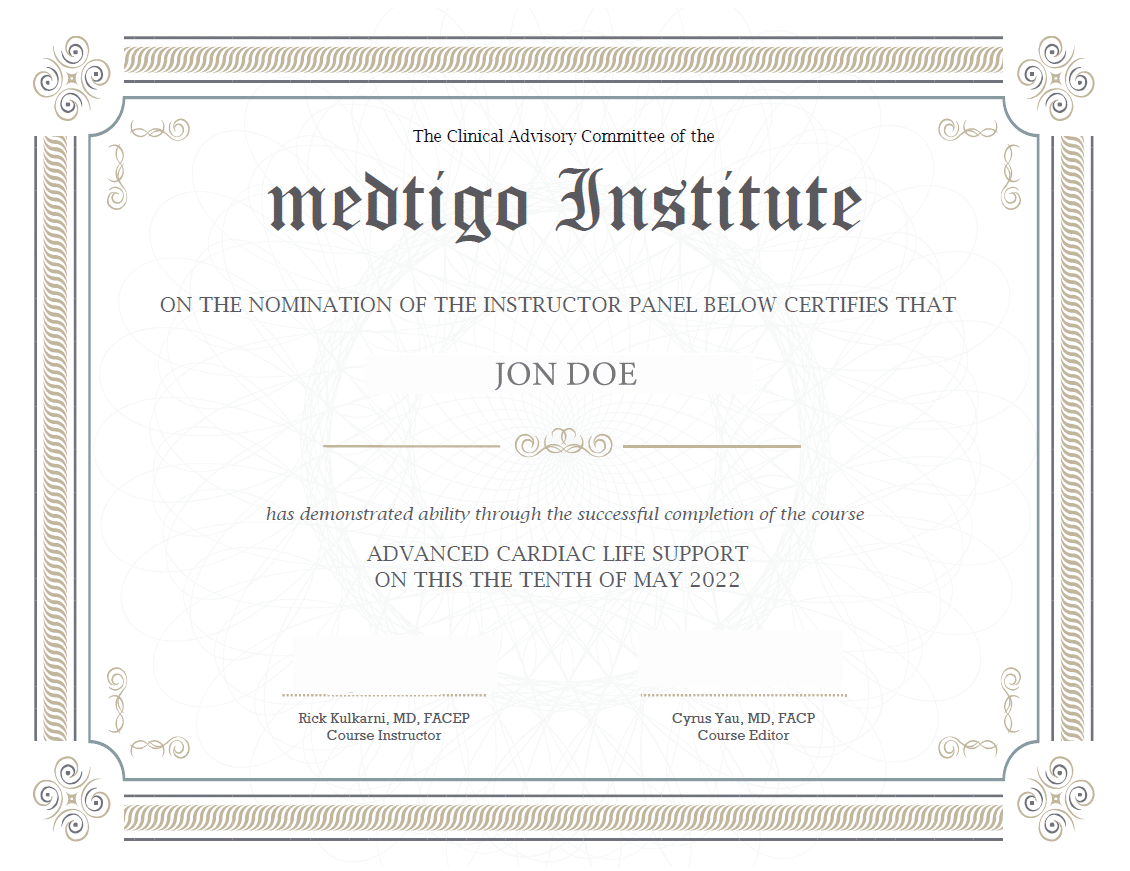
On course completion, you will receive a full-sized presentation quality digital certificate.
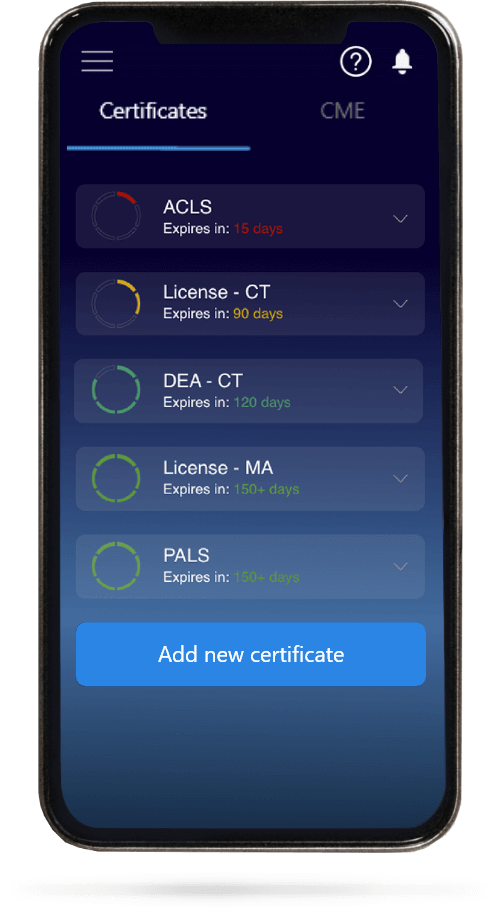
When you have your licenses, certificates and CMEs in one place, it's easier to track your career growth. You can easily share these with hospitals as well, using your medtigo app.