Rising Adoption of Continuous Glucose Monitors in Medicare Advantage: Trends from 2021–2023
April 13, 2026




Brand Name :
Afloxan
Synonyms :
proglumetacin
Class :
NSAID



Brand Name :
Afloxan
Synonyms :
proglumetacin
Class :
NSAID
Dosage forms and strengths
Oral capsule
150 mg
Oral Tablet (film-coated)
300 mg
The suggested maximum dose is 600 mg daily
The suggested maximum dose is 600 mg daily
Not indicated
Refer adult dosing
etoricoxib When etoricoxib is used together with proglumetacin, this leads to enhanced risk or seriousness of adverse events
When etoricoxib is used together with proglumetacin, this leads to enhanced risk or seriousness of adverse events
When fenoprofen is used together with proglumetacin, this leads to enhanced risk or seriousness of adverse events
When floctafenine is used together with proglumetacin, this leads to enhanced risk or seriousness of adverse events
When dexibuprofen is used together with proglumetacin, this leads to enhanced risk or seriousness of adverse events
When etodolac is used together with proglumetacin, this leads to enhanced risk or seriousness of adverse events
When dexketoprofen is used together with proglumetacin, this leads to enhanced risk or seriousness of adverse events
When diclofenac is used together with proglumetacin, this leads to enhanced risk or seriousness of adverse events
When diflunisal is used together with proglumetacin, this leads to enhanced risk or seriousness of adverse events
When alendronic acid is used together with proglumetacin, this leads to enhanced risk or seriousness of adverse events
When celecoxib is used together with proglumetacin, this leads to enhanced risk or seriousness of adverse events
When aminophenazone is used together with proglumetacin, this leads to enhanced risk or seriousness of adverse events
When antipyrine is used together with proglumetacin, this leads to enhanced risk or seriousness of adverse events
When antrafenine is used together with proglumetacin, this leads to enhanced risk or seriousness of adverse events
When balsalazide is used together with proglumetacin, this leads to enhanced risk or seriousness of adverse events
When azficel-T is used together with proglumetacin, this leads to enhanced risk or seriousness of adverse events
When bendazac is used together with proglumetacin, this leads to enhanced risk or seriousness of adverse events
When benorilate is used together with proglumetacin, this leads to enhanced risk or seriousness of adverse events
When benoxaprofen is used together with proglumetacin, this leads to enhanced risk or seriousness of adverse events
When benzydamine is used together with proglumetacin, this leads to enhanced risk or seriousness of adverse events
When betulinic acid is used together with proglumetacin, this leads to enhanced risk or seriousness of adverse events
When bromfenac is used together with proglumetacin, this leads to enhanced risk or seriousness of adverse events
When bufexamac is used together with proglumetacin, this leads to enhanced risk or seriousness of adverse events
When bumadizone is used together with proglumetacin, this leads to enhanced risk or seriousness of adverse events
When carprofen is used together with proglumetacin, this leads to enhanced risk or seriousness of adverse events
When cefamandole is used together with proglumetacin, this leads to enhanced risk or seriousness of nephrotoxicity
When cefapirin is used together with proglumetacin, this leads to enhanced risk or seriousness of nephrotoxicity
When cefazolin is used together with proglumetacin, this leads to enhanced risk or seriousness of nephrotoxicity
When cefditoren is used together with proglumetacin, this leads to enhanced risk or seriousness of nephrotoxicity
When cefepime is used together with proglumetacin, this leads to enhanced risk or seriousness of nephrotoxicity
When cefmenoxime is used together with proglumetacin, this leads to enhanced risk or seriousness of nephrotoxicity
When cefmetazole is used together with proglumetacin, this leads to enhanced risk or seriousness of nephrotoxicity
When cefonicid is used together with proglumetacin, this leads to enhanced risk or seriousness of nephrotoxicity
When cefoperazone is used together with proglumetacin, this leads to enhanced risk or seriousness of nephrotoxicity
When ceforanide is used together with proglumetacin, this leads to enhanced risk or seriousness of nephrotoxicity
When cefotaxime is used together with proglumetacin, this leads to enhanced risk or seriousness of nephrotoxicity
When cefotetan is used together with proglumetacin, this leads to enhanced risk or seriousness of nephrotoxicity
When cefotiam is used together with proglumetacin, this leads to enhanced risk or seriousness of nephrotoxicity
When cefoxitin is used together with proglumetacin, this leads to enhanced risk or seriousness of nephrotoxicity
When cefpiramide is used together with proglumetacin, this leads to enhanced risk or seriousness of nephrotoxicity
When cefpirome is used together with proglumetacin, this leads to enhanced risk or seriousness of nephrotoxicity
When cefpodoxime is used together with proglumetacin, this leads to enhanced risk or seriousness of nephrotoxicity
When cefprozil is used together with proglumetacin, this leads to enhanced risk or seriousness of nephrotoxicity
When cefradine is used together with proglumetacin, this leads to enhanced risk or seriousness of nephrotoxicity
When ceftazidime is used together with proglumetacin, this leads to enhanced risk or seriousness of nephrotoxicity
When ceftibuten is used together with proglumetacin, this leads to enhanced risk or seriousness of nephrotoxicity
When ceftizoxime is used together with proglumetacin, this leads to enhanced risk or seriousness of nephrotoxicity
When ceftobiprole is used together with proglumetacin, this leads to enhanced risk or seriousness of nephrotoxicity
When ceftriaxone is used together with proglumetacin, this leads to enhanced risk or seriousness of nephrotoxicity
When cefuroxime is used together with proglumetacin, this leads to enhanced risk or seriousness of nephrotoxicity
When cephalexin is used together with proglumetacin, this leads to enhanced risk or seriousness of nephrotoxicity
When cephaloglycin is used together with proglumetacin, this leads to enhanced risk or seriousness of nephrotoxicity
When colistimethate is used together with proglumetacin, this leads to enhanced risk or seriousness of nephrotoxicity
When aceclofenac is used together with proglumetacin, this leads to enhanced risk or seriousness of adverse events
When acemetacin is used together with proglumetacin, this leads to enhanced risk or seriousness of adverse events.
When acetaminophen is used together with proglumetacin, this leads to enhanced risk or seriousness of adverse events
When acetylsalicylic acid is used together with proglumetacin, this leads to enhanced risk or seriousness of adverse events
When alclofenac is used together with proglumetacin, this leads to enhanced risk or seriousness of adverse events
Actions and Spectrum:
Action:
Proglumetacin’s primary mechanism of action is its inhibition of the cyclooxygenase (COX) enzyme. COX has a role in prostaglandin production, which are mediators of inflammation, pain, and fever. By inhibiting COX, proglumetacin reduces the production of prostaglandins, leading to anti-inflammatory, analgesic (pain-relieving), and antipyretic (fever-reducing) effects.
Spectrum:
Inflammatory Disorders: Proglumetacin can be used to reduce inflammation associated with diseases such ankylosing spondylitis, osteoarthritis, and rheumatoid arthritis.
Pain Management: It is employed to relieve pain, whether related to musculoskeletal disorders or other causes.
Frequency not defined
Change in taste
Stomach upset
Loss of appetite
Nausea
Black Box Warning:
None
Contraindication/Caution:
Hypersensitivity:
Proglumetacin is contraindicated in individulas with a known hypersensitivity or allergic reaction to proglumetacin or any component of the drug.
Gastrointestinal bleeding or perforation:
Proglumetacin use is contraindicated in patients with active peptic ulcers, gastrointestinal bleeding, or perforation.
Pregnancy and lactation:
Proglumetacin is not recommended during the third trimester of pregnancy due to potential adverse effects on fetal cardiovascular system development.
Cardiovascular risk: Proglumetacin may raise the risk of major thrombotic events in the cardiovascular system, such as stroke and myocardial infarction.
Pregnancy warnings:
Pregnancy category: N/A
Lactation: Excreted into human milk is unknown
Pregnancy Categories:
Category A: Studies that were well-controlled and met expectations revealed no risk to the fetus in either the first or second trimester.
<b>Category B: There were a lack of studies on pregnant women and no evidence of risk to the fetus in animal experiments.
Category C: there was evidence of risk of adverse effects in animal reproduction studies, and no adequate evidence in human studies must take care of potential risks in pregnant women.
Category D: adequate data with sufficient evidence of human fetal risk from various platforms, but despite the potential risk, and used only in emergency cases for potential benefits.
Category X: Drugs listed in this category outweigh the risks over benefits. Hence these categories of drugs need to be avoided by pregnant women.
Category N: There is no data available for the drug under this category
Pharmacology: Proglumetacin is NSAID.
Pharmacodynamics:
Proglumetacin exerts its pharmacological effects by inhibiting both COX-1 and COX-2 enzymes. This inhibition leads to decreased synthesis of prostaglandins, which are essential for the inflammatory response.
Pharmacokinetics:
Absorption
Proglumetacin undergoes absorption from the gastrointestinal tract, with the rate and extent influenced by various factors, including food.
Distribution
Proglumetacin exhibits a significant degree of plasma protein binding, influencing its distribution within the bloodstream and into various tissues.
Metabolism
Proglumetacin undergoes hepatic metabolism primarily through enzymatic processes in the liver.
Excretion and Elimination
The excretion of proglumetacin and its metabolites occurs predominantly through the renal route.
Administration:
Proglumetacin is administered orally.
The healthcare advisor determines the dosage and frequency.
Patient information leaflet
Generic Name: proglumetacin
Why do we use proglumetacin?
Proglumetacin is employed for its potent anti-inflammatory properties. making it valuable therapeutic option in the management of various inflammatory conditions.
The analgesic effects of proglumetacin contribute to its use in alleviating pain associated with inflammatory disorders, providing relief to patients experiencing discomfort.

Both our subscription plans include Free CME/CPD AMA PRA Category 1 credits.

On course completion, you will receive a full-sized presentation quality digital certificate.
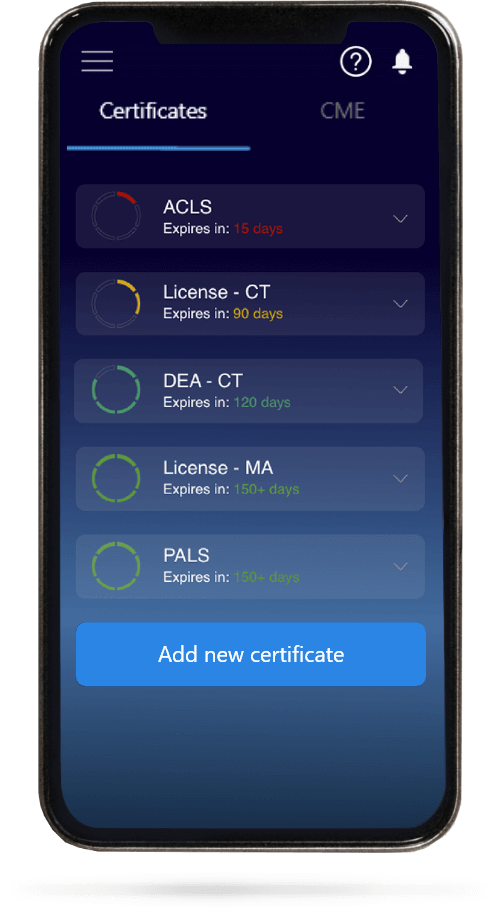
When you have your licenses, certificates and CMEs in one place, it's easier to track your career growth. You can easily share these with hospitals as well, using your medtigo app.