
Clinic Visits on Replay: How Recordings Are Transforming Patient Care
April 7, 2026




Brand Name :
Seldane
Synonyms :
Terfenadin, Terfenadina, terfenadine, Terfenadinum
Class :
Anti-allergic Agent, Antihistamines, Histamine receptor antagonist, Histamine receptor H1 antagonist



Brand Name :
Seldane
Synonyms :
Terfenadin, Terfenadina, terfenadine, Terfenadinum
Class :
Anti-allergic Agent, Antihistamines, Histamine receptor antagonist, Histamine receptor H1 antagonist
Dosage Forms & Strengths
Tablet
60 mg
120 mg
The usual dose, which is recommended via oral administration, is 60 – 120 mg daily in the morning, or it can be taken as 60 mg daily two times with a maximum dose of 120 mg in a day
Dose Adjustments
Renal Dose Adjustment
In case of renal insufficiency, the dose of terfenadine will be reduced to half the daily dose, which is recommended as the usual dose is 30 mg daily two times if the CrCl falls below 40 mL/min
Tablet
60 mg
120 mg
Pediatric patients who are above 12 with a weight of more than 50 kg should be given 60-120 mg via oral administration, or it can be taken two times a day with 60 mg each time
Refer to the adult dosing
it may enhance the QTc-prolonging effect of terfenadine
it may enhance the QTc-prolonging effect of terfenadine
it may enhance the QTc-prolonging effect of terfenadine
it may enhance the QTc-prolonging effect of terfenadine
it may enhance the QTc-prolonging effect of terfenadine
terfenadine: they may enhance the serum concentration of CYP3A4 Inhibitors
terfenadine: they may enhance the serum concentration of CYP3A4 Inhibitors
terfenadine: they may enhance the serum concentration of CYP3A4 Inhibitors
terfenadine: they may enhance the serum concentration of CYP3A4 Inhibitors
terfenadine: they may enhance the serum concentration of CYP3A4 Inhibitors
may increase the risk or severity of hypertension when combined
abatacept will increase the metabolism of terfenadine when used in combination
terfenadine decreases the metabolism of acetaminophen when used in combination
terfenadine decreases the metabolism of zidovudine when used in combination
The use of terfenadine and tropicamide in combination can have an increased risk of adverse reactions
Actions and Spectrum:
Actions:
fexofenadine is the active form of terfenadine after oral administration, where histamine competes with it for H1 receptor site binding in GIT, uterus, blood vessels, and bronchial muscles. Reverse binding at the H1 receptor will relieve the symptoms such as itching and edema due to chemical mediators. terfenadine shows a low CNS depressant effect due to its inability to cross the blood-brain barrier.
Spectrum:
The spectrum of terfenadine is for allergic rhinitis with fever and skin allergies. In 1990, the US replaced terfenadine with fexofenadine because terfenadine causes cardiac arrhythmias with prolonged QT interval.
Frequency not defined
Insomnia
Palpitations
Abnormal lactation in females
Anxiety
Mild gastrointestinal disorders
Nervousness
Skin erythema multiforme
Dizziness
Convulsions or syncope due to arrhythmias
Ventricular arrhythmias including torsades de pointes
Black Box Warning:
It is not indicated for patients who are suffering from hepatic or cardiovascular diseases and in patients with electrolyte imbalance or prolonged QT interval. Avoid driving and operating machinery while on terfenadine because it causes dizziness.
Contraindication/Caution:
Contraindications
Cautions
Pregnancy consideration:
terfenadine has been assigned to pregnancy category C.
No data is available regarding the administration of the drug during pregnancy.
Breastfeeding warnings:
No data is available regarding the excretion of drug in breast milk.
Pregnancy category:
Category A: well-controlled and satisfactory studies show no risk to the fetus in the first or later trimester.
Category B: there was no evidence of risk to the fetus in animal studies, and there were not enough studies on pregnant women.
Category C: there was evidence of risk of adverse effects in animal reproduction studies, and no adequate evidence in human studies must take care of potential risks in pregnant women.
Category D: adequate data with sufficient evidence of human fetal risk from various platforms, but despite the potential risk, and used only in emergency cases for potential benefits.
Category X: Drugs listed in this category outweigh the risks over benefits. Hence these categories of drugs need to be avoided by pregnant women.
Category N: No data is available for the drug under this category.
Pharmacology
Antagonist antihistamine terfenadine is H1 receptor antagonist gives relief from itching and allergic symptoms.
Pharmacodynamics:
fexofenadine is the active form of terfenadine after oral administration, where histamine competes with it for H1 receptor site binding in GIT, uterus, blood vessels, and bronchial muscles. Reverse binding at the H1 receptor will relieve the symptoms such as itching and edema due to chemical mediators. terfenadine shows a low CNS depressant effect due to its inability to cross the blood-brain barrier.
Pharmacokinetics:
Absorption
terfenadine is rapidly absorbed from GIT with peak plasma concentrations of 2 hours.
Distribution
Protein-bound is 97%
Metabolism
terfenadine in the liver undergoes first-pass metabolism.
Elimination and Excretion
The half-life is 16-23 hours.
The drug is excreted in feces and urine.
Administration:
terfenadine is taken via oral administration with meals. The dose of terfenadine is different for different patients.
Patient information leaflet
Generic Name: terfenadine
Pronounced: ter-FEN-a-deen
Why do we use terfenadine?
terfenadine is an anti-allergic and anti-histaminic agent used in treating symptoms of allergy such as rashes, swelling, itching, sneezing, runny nose, and other allergic symptoms.
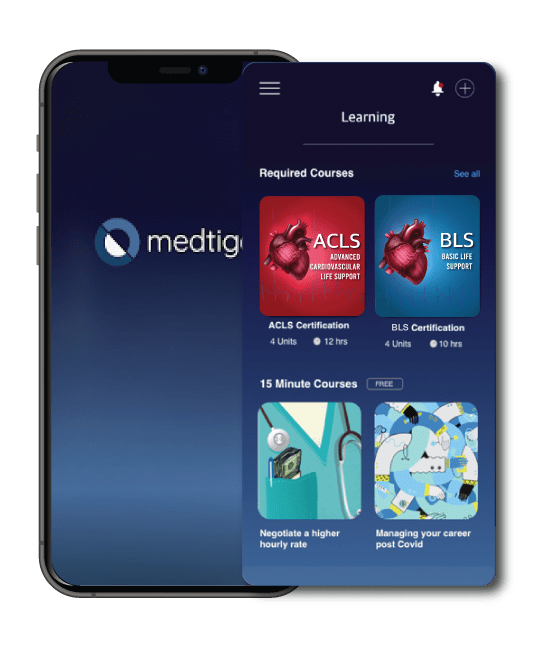
Both our subscription plans include Free CME/CPD AMA PRA Category 1 credits.
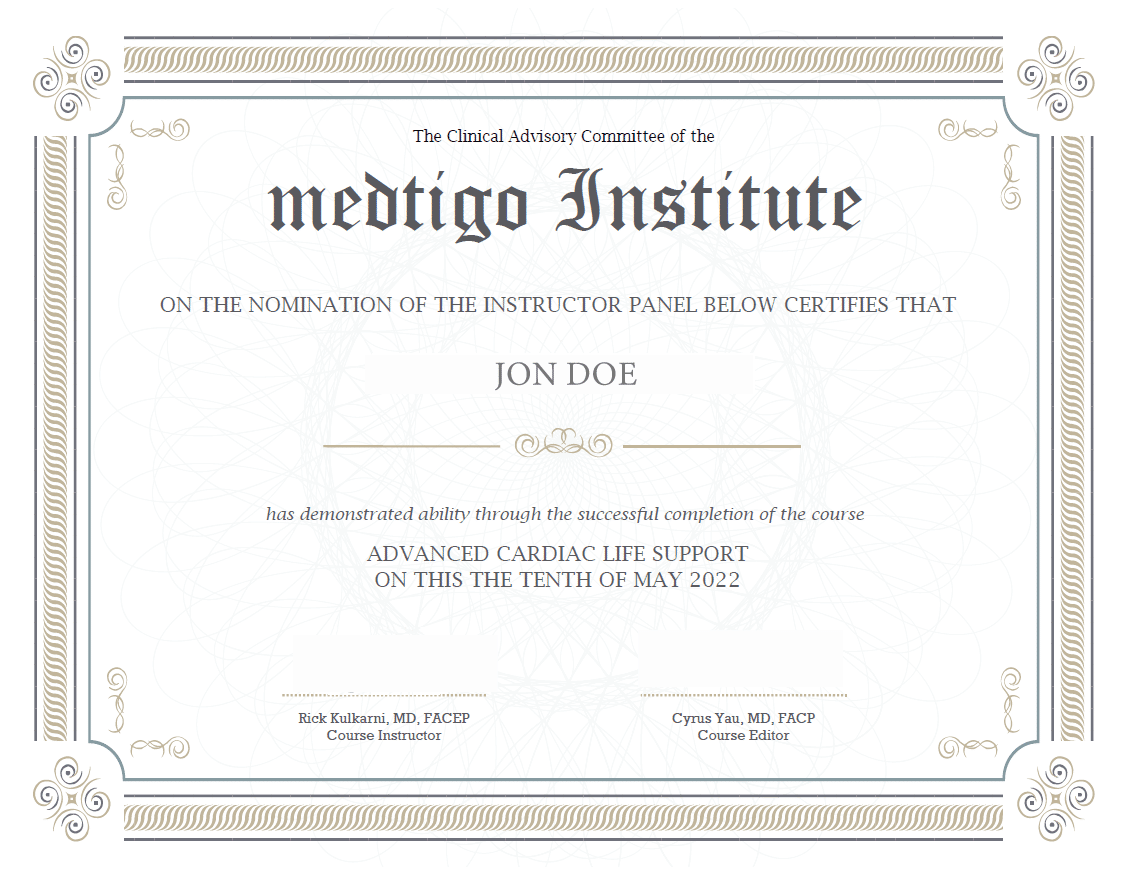
On course completion, you will receive a full-sized presentation quality digital certificate.
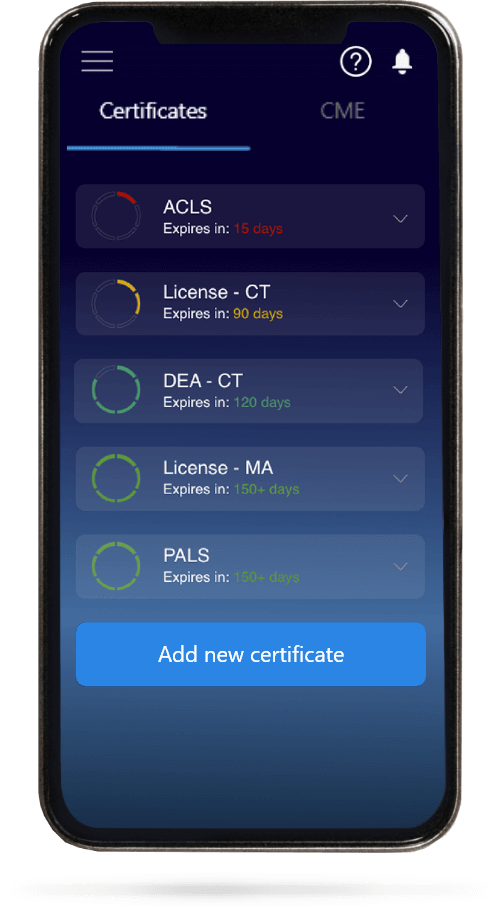
When you have your licenses, certificates and CMEs in one place, it's easier to track your career growth. You can easily share these with hospitals as well, using your medtigo app.