Hidden Risks of Exosome Injections in Pain Management
April 8, 2026




Brand Name :
Triosoralen
Synonyms :
trioxsalen
Class :
Antipsoriatics



Brand Name :
Triosoralen
Synonyms :
trioxsalen
Class :
Antipsoriatics
Dosage Forms & Strengths
Tablet
20mg
40mg
Administer 20 to 40 mg two to four hours before UVA exposure. This therapy (trioxsalen and UVA) is administered weekly twice or thrice, with at least 48 hours between treatments.
To improve skin color or increase tolerance to sunlight.
Administer 20 to 40 mg two to four hours before UVA exposure. This therapy (trioxsalen and UVA) is administered weekly twice or thrice, with at least 48 hours between treatments.
Dosage Forms & Strengths
Tablet
20mg
40mg
Children above 12 years: Administer 20 to 40 mg two to four hours before UVA exposure. This therapy (trioxsalen and UVA) is administered weekly twice or thrice, with at least 48 hours between treatments.
Children under 12 years: Doctor determines the dose.
To improve skin color or increase tolerance to sunlight.
Children above 12 years: Administer 20 to 40 mg two to four hours before UVA exposure. This therapy (trioxsalen and UVA) is administered weekly twice or thrice, with at least 48 hours between treatments.
Children under 12 years: Doctor determines the dose.
Refer adult dosing
may increase the therapeutic efficacy of each other when combined
may increase the therapeutic efficacy of each other when combined
may increase the therapeutic efficacy of each other when combined
may increase the therapeutic efficacy of each other when combined
may increase the therapeutic efficacy of each other when combined
may increase the therapeutic efficacy of each other when combined
may increase the therapeutic efficacy of each other when combined
may increase the therapeutic efficacy of each other when combined
may increase the therapeutic efficacy of each other when combined
may increase the therapeutic efficacy of each other when combined
may increase the therapeutic efficacy of each other when combined
Actions and Spectrum:
trioxsalen is a drug used with UVA (ultraviolet A) light therapy, a treatment known as PUVA therapy, primarily used to treat certain skin disorders, particularly psoriasis, and vitiligo. The mechanism of action of trioxsalen involves its ability to sensitize the skin to UVA light, making the skin more responsive to the effects of UVA radiation.
trioxsalen’s spectrum of activity is limited to treating certain skin disorders and is not used for systemic conditions. Its main indications include:
Frequency not defined
Irritation
Blistering
Rash
Dizziness
Depression
Itching
Nausea
Redness
Swelling
Headache
Nervousness
Black box warning:
None
Contraindications/caution:
Contraindications:
Caution:
Pregnancy consideration: Insufficient data available
Lactation: Excretion of the drug in human breast milk is unknown
Pregnancy category:
Category A: well-controlled and Satisfactory studies show no risk to the fetus in the first or later trimester.
Category B: there was no evidence of risk to the fetus in animal studies, and there were not enough studies on pregnant women.
Category C: there was evidence of risk of adverse effects in animal reproduction studies, and no adequate evidence in human studies must take care of potential risks in pregnant women.
Category D: adequate data with sufficient evidence of human fetal risk from various platforms, but despite the potential risk, and used only in emergency cases for potential benefits.
Category X: Drugs listed in this category outweigh the risks over benefits. Hence these categories of drugs need to be avoided by pregnant women.
Category N: There is no data available for the drug under this category
Pharmacology:
trioxsalen is a naturally occurring psoralen compound with photoactive properties. Its pharmacology mainly revolves around its ability to interact with ultraviolet A (UVA) radiation to treat certain skin disorders when used in PUVA therapy (psoralen and UVA).
Pharmacodynamics:
trioxsalen’s pharmacodynamics are closely related to its ability to sensitize the skin to ultraviolet A (UVA) radiation and its impact on cell division and DNA.
Pharmacokinetics:
Absorption
trioxsalen is administered orally in the form of capsules or tablets. After oral administration, it is absorbed from the gastrointestinal tract into the bloodstream. The rate and extent of absorption may vary among individuals but are generally relatively slow.
Distribution
trioxsalen is distributed throughout the body, including the skin, where it exerts its therapeutic effects in PUVA therapy. It can also cross the blood-brain barrier, which may contribute to its central nervous system effects.
Metabolism
trioxsalen is extensively metabolized in the liver through a process called biotransformation. The primary metabolic pathway involves the formation of reactive intermediates that can bind to cellular components, including DNA, leading to photosensitizing effects. The exact details of its metabolic pathways may vary among individuals.
Elimination and Excretion
The metabolites of trioxsalen are excreted primarily through the urine, with a smaller portion being eliminated in the feces. The excretion process ensures that trioxsalen and its metabolites are eliminated from the body over time.
Administration:
Oral administration
trioxsalen is given orally, usually in the form of capsules or tablets. The dose and duration of treatment will depend on the specific skin condition and the individual’s response to the therapy. The medication is typically taken with a meal or milk to improve absorption.
Patient information leaflet
Generic Name: trioxsalen
Why do we use trioxsalen?
trioxsalen is primarily used with UVA (ultraviolet A) light therapy in a treatment known as PUVA therapy (psoralen and UVA therapy). This treatment is used to manage certain skin disorders, mainly:

Both our subscription plans include Free CME/CPD AMA PRA Category 1 credits.

On course completion, you will receive a full-sized presentation quality digital certificate.
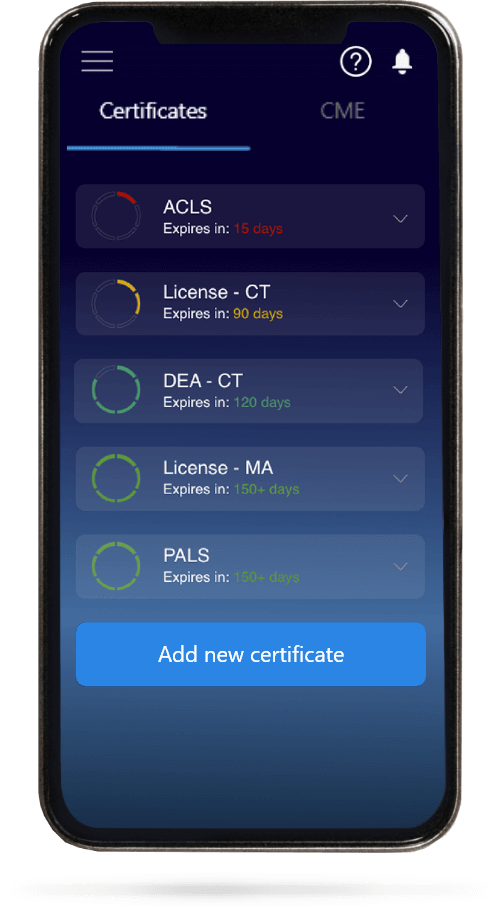
When you have your licenses, certificates and CMEs in one place, it's easier to track your career growth. You can easily share these with hospitals as well, using your medtigo app.