Inside U.S. Medical Regulation: A Complete Guide to the System
April 9, 2026







Brand Name :
N/A
Synonyms :
Ulobetasol,halobetasol
Class :
Topical Corticosteroid


Dosage forms &Strengths
Cream
0.5ml
0.5ml intradermally, as suggested by the in vivo studies
Indications: it is indicated in the treatment of skin conditions such as localized psoriasis, pruritis, etc.
Dosage Forms & Strengths
Cream
0.5ml
The drug is not recommended for use in children under 12 years of age
For children of 13 years and above:
0.5ml intradermally, as suggested by the in vivo studies
Refer to adult dosing
the risk of hyperglycemia may be increased
the risk of hyperglycemia may be increased
the risk of adverse effects may be increased
the risk of hyperglycemia may be increased
allogeneic processed thymus tissue
the therapeutic effect of allogenic processed thymus tissue may be increased
the risk of hyperglycemia may be increased
the therapeutic activity of ulobetasol may be reduced
the therapeutic activity of anthrax vaccine may be reduced
the risk of electrolyte imbalance may be increased
the risk of electrolyte imbalance may be increased
the risk of hyperglycemia may be increased
the risk of hyperglycemia may be increased
the risk of electrolyte imbalance may be increased
the risk of hyperglycemia may be increased
the risk of adverse effects may be increased
the risk of hyperglycemia may be increased
the risk of adverse effects may be increased
the risk of adverse effects may be increased
the risk of hyperglycemia may be increased
the risk of hyperglycemia may be increased
Actions and Spectrum
Corticosteroids quickly reduce inflammation by
Frequency not defined
Headache
Dry skin
Pharyngitis
Irritation on skin
Itching
Burning sensation
Acneiform eruptions
Skin blisters
Growth of unwanted hair
Sudden gain in weight
Black Box Warning
No special black box warnings are available for this drug
Contraindication/Caution:
Contraindication:
Hypersensitivity
Pregnancy consideration:
USFDA pregnancy category: C
Lactation:
Ulobetasol is not recommended in lactating mothers. Before prescribing this drug to breastfeeding mothers, the benefits should be outweighed by the risks.
Pregnancy category:
Category A: Studies that were well-controlled and met expectations revealed no risk to the fetus in either the first or second trimester.
Category B: There was a lack of studies on pregnant women and no evidence of risk to the fetus in animal experiments.
Category C: there was evidence of risk of adverse effects in animal reproduction studies, and no adequate evidence in human studies must take care of potential risks in pregnant women.
Category D: adequate data with sufficient evidence of human fetal risk from various platforms, but despite the potential risk, and used only in emergency cases for potential benefits.
Category X: Drugs listed in this category outweigh the risks over benefits. Hence, these categories of drugs need to be avoided by pregnant women.
Category N: There is no data available for the drug under this category
Pharmacology
It is used in the treatment of skin infections by blocking the white blood cells thereby reducing inflammation.
Pharmacodynamics
When corticosteroids attach to the glucocorticoid receptor, they reduce the activity of proteins that promote inflammation and boost the activity of proteins that suppress it.
Ulometasol’s once or twice-daily dosing provides a moderate duration of action.
Different doses of corticosteroids are available to meet specific patient requirements.
This is because certain individuals may need doses higher than what their bodies can naturally produce.
Pharmacokinetics
Absorption
Area under the curve:1632±1147
Maximum time of absorption:3 hours
Distribution
It is bound to serum globulin.
Metabolism
Limited information available
Elimination/Excretion
It is primarily excreted in the urine.
The elimination half-life is 3 minutes.
Administration
It is topically administered.
Patient information leaflet
Generic Name: ulobetasol
Why do we use ulobetasol?
It is also known as halobetasol which is used to treat skin conditions such as dermatitis, eczema, localized psoriasis, and skin allergies.
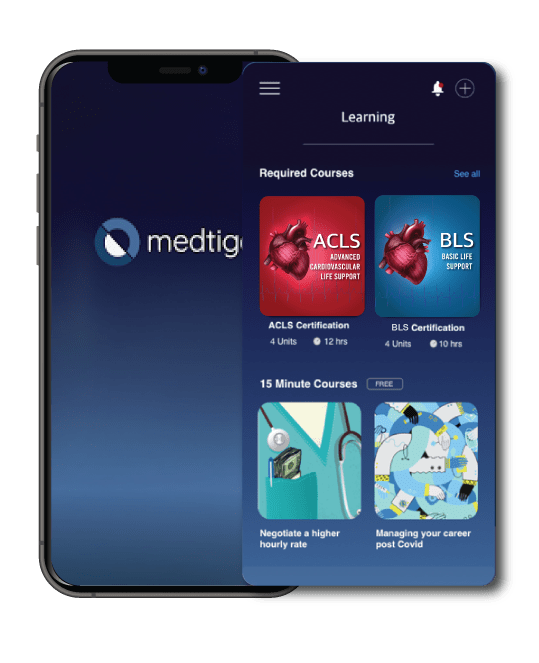
Both our subscription plans include Free CME/CPD AMA PRA Category 1 credits.
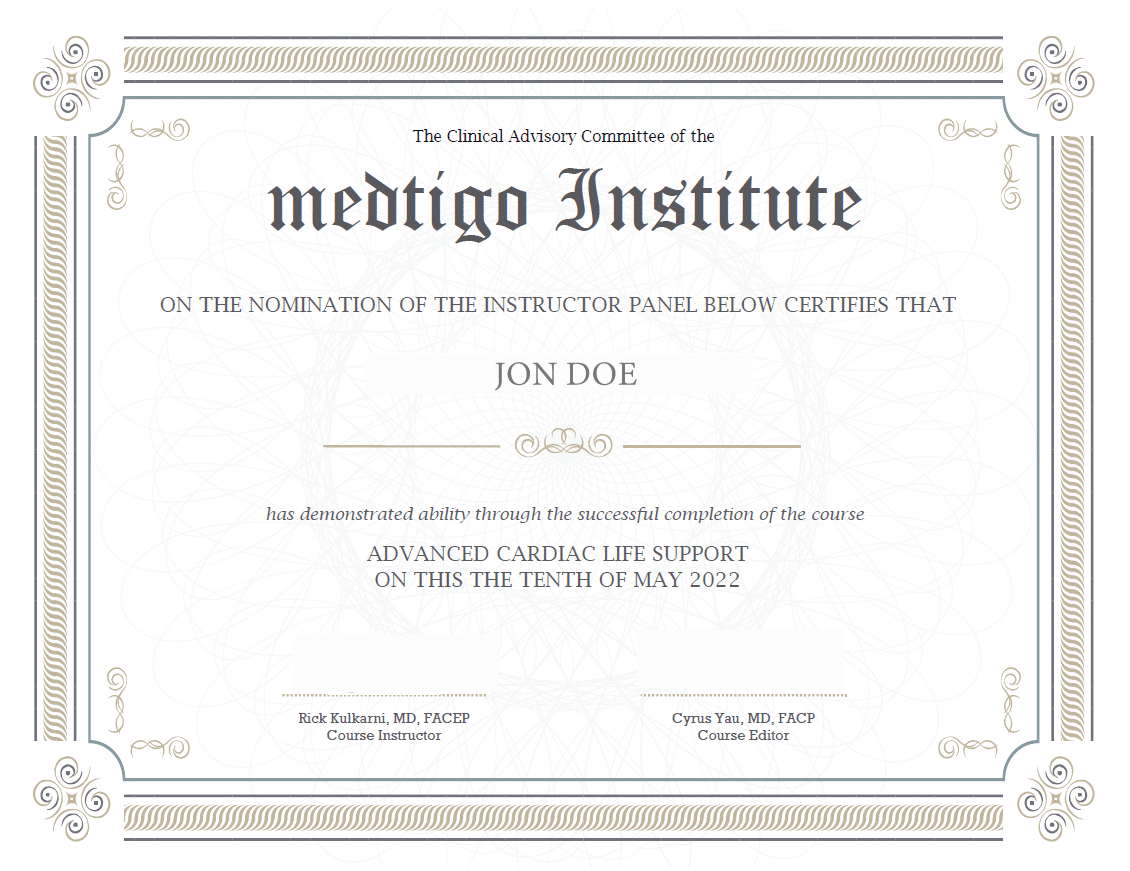
On course completion, you will receive a full-sized presentation quality digital certificate.
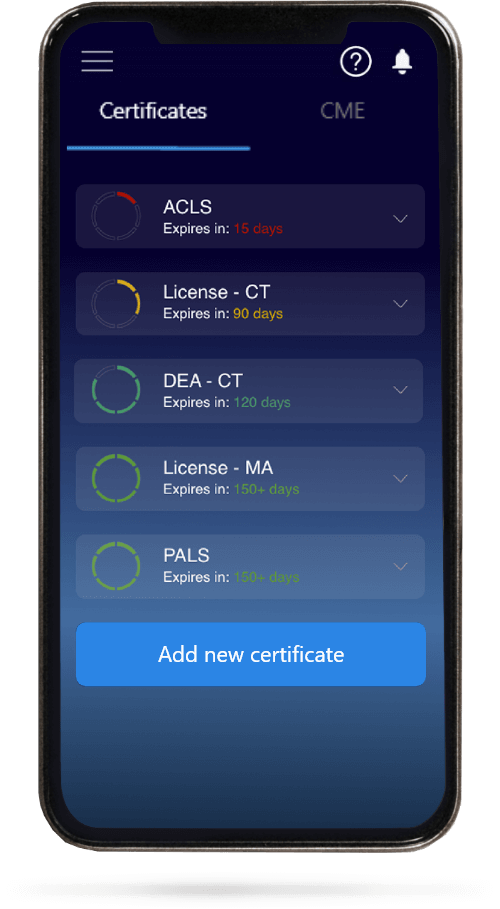
When you have your licenses, certificates and CMEs in one place, it's easier to track your career growth. You can easily share these with hospitals as well, using your medtigo app.