Hidden Risks of Exosome Injections in Pain Management
April 8, 2026




Brand Name :
Stavzor (DSC), Depakene (DSC)
Synonyms :
valproic acid
Class :
Anticonvulsants; Other



Brand Name :
Stavzor (DSC), Depakene (DSC)
Synonyms :
valproic acid
Class :
Anticonvulsants; Other
Dosage forms & Strengths
Capsule
250 mg
Syrup
250mg/5ml
Complex partial seizures:
10-15 mg/kg orally daily; may increase to 5-10 mg/kg once in a week
Do not exceed 60 mg/kg a day
Conversion to Monotherapy:
Reduce the dosage of a concomitant medication by about 25% every 14 days; this dosage reduction may occur when valproate therapy is started or one to two weeks after the start of valproate therapy
simple and complex absence seizures:
Initial dose: 15 mg/kg orally divided 2-4 times a day; may increase to 5-10 mg/kg
Do not exceed 60 mg/kg a day
Dosage forms & Strengths
Capsule
250 mg
Syrup
250mg/5ml
Complex partial seizures:
10-15 mg/kg orally daily; may increase to 5-10 mg/kg once in a week
Do not exceed 60 mg/kg a day
Conversion to Monotherapy:
Reduce the dosage of a concomitant medication by about 25% every 14 days; this dosage reduction may occur when valproate therapy is started or one to two weeks after the start of valproate therapy
simple and complex absence seizures:
Initial dose: 15 mg/kg orally divided 2-4 times a day; may increase to 5-10 mg/kg
Do not exceed 60 mg/kg a day
Refer adult dosing
they may diminish the serum concentration when combined with valproic acid
When valproic acid is used together with ouabain, this leads to reduction in valproic acid excretion
valproic acid: they may decrease the therapeutic effect of corticosteroids A1
valproic acid: they may decrease the therapeutic effect of corticosteroids A1
valproic acid: they may decrease the therapeutic effect of corticosteroids A1
valproic acid: they may decrease the therapeutic effect of corticosteroids A1
valproic acid: they may decrease the therapeutic effect of corticosteroids A1
valproic acid: they may decrease the therapeutic effect of corticosteroids J3
valproic acid: they may decrease the therapeutic effect of corticosteroids J3
valproic acid: they may decrease the therapeutic effect of corticosteroids J3
valproic acid: they may decrease the therapeutic effect of corticosteroids J3
when coupled with fentiazac, valproic acid's protein binding can be reduced
may alter the level by affecting CYP450 enzyme metabolism
reduction in the protein-binding efficacy of valproic acid can be seen when taken with bumadizone
the protein binding efficiency of valproic acid may be reduced when taken with mofebutazone
may have a decrease in excretion when combined with valproic acid
the severity of central nervous system depression can be raised when valproic acid is taken with zotepine
Frequency defined
10%
Nausea
Headache
Bleeding time increased
Thrombocytopenia
Tremor
Alopecia
Asthenia
Infection
Somnolence
Amblyopia
Diarrhea
Diplopia
Dizziness
Dyspepsia
Nystagmus
Tinnitus
Vomiting
1-10%:
Ataxia
Increased appetite
Rash
Abdominal pain
Tremor
Back pain
Mood changes
Anxiety
Confusion
Abnormal gait
Paresthesia
Hallucinations
Catatonia
Dysarthria
Tardive dyskinesia
Vertigo
Irregular menses
Weight gain
Frequency undefined:
Hepatic toxicity
Hyperammonaemia
Anorexia
Weight loss
Fractures
Osteoporosis
Osteopenia
Valproic acid is contraindicated in patients hypersensitive to the formulation’s active ingredient and other excipients.
Pregnancy consideration:
Valproic acid is contraindicated during pregnancy
Breastfeeding warnings:
The drug is excreted in the breastmilk; hence monitor the infant during breastfeeding
Pregnancy category:
Patient information leaflet
Generic Name: valproic acid
Pronounced: val-pro-ic ace-id
Why do we use valproic acid?
valproic acid is a medication that is used for various medical purposes. Here are some common reasons for its use:
Both our subscription plans include Free CME/CPD AMA PRA Category 1 credits.
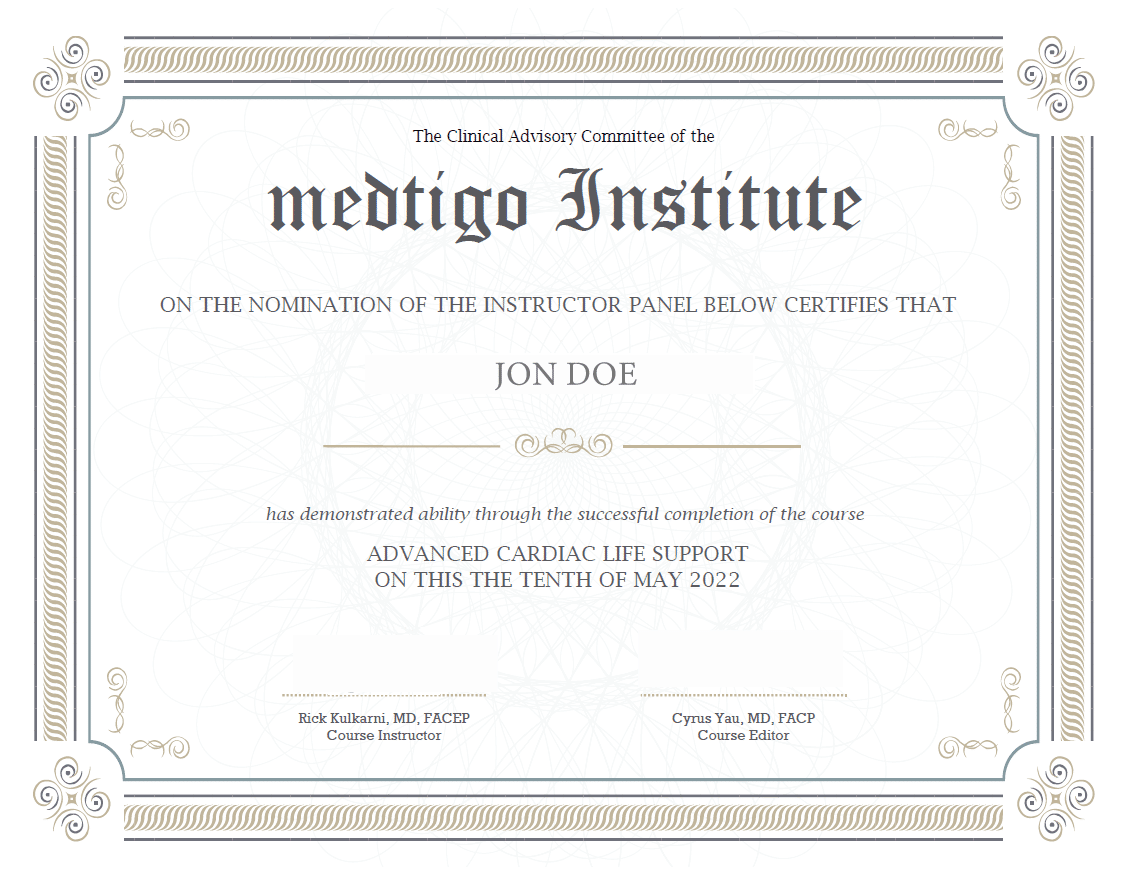
On course completion, you will receive a full-sized presentation quality digital certificate.
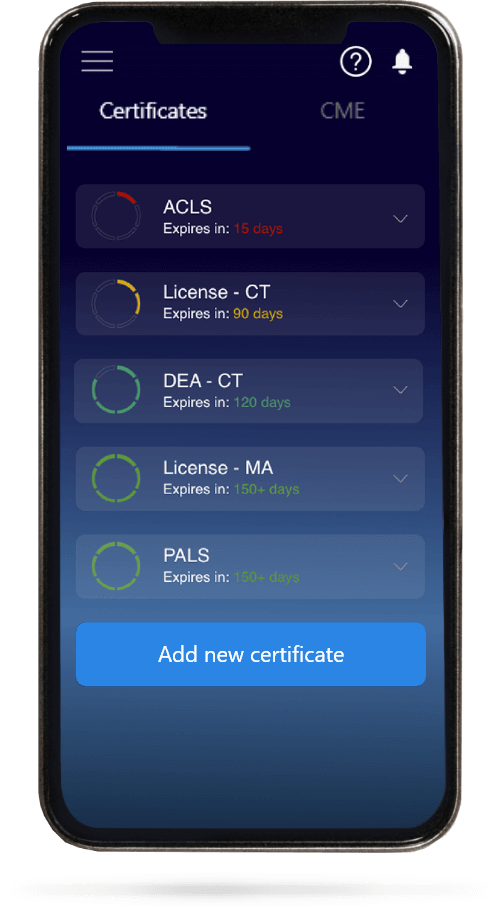
When you have your licenses, certificates and CMEs in one place, it's easier to track your career growth. You can easily share these with hospitals as well, using your medtigo app.