Absence Seizures are generalized seizures with brief lapses in attention and activity.
Absence seizures seen in idiopathic and symptomatic generalized epilepsy cases, especially in childhood and juvenile absence epilepsy.
Typical absence seizures are associated with 3 to 4 Hz spike and slow wave complexes on EEG.
Frequent brief seizures in childhood absence epilepsy last for seconds, some shows multiple times seizures on daily basis these are called non-pyknoleptic or spanioleptic absence seizures.
Absence seizures in cryptogenic/symptomatic generalized epilepsies are linked to slow spike waves with frequency of 1.5 to 2.5 Hz.
Classification of absence seizures as follows:
Typical and Atypical absence
Myoclonic absence
Eyelid myoclonia
Epidemiology
The incidence in the United States is 1.9 to 8 cases per 100,000 population and generalized idiopathic epilepsies have age-related onset.
Absence seizures are more common in females. Majority of children with childhood absence epilepsy are girls.
Disorders can start in early life, but absence seizures like Lennox-Gastaut syndrome develop later in childhood.
Brief absence and myoclonic seizures may go unnoticed until a tonic-clonic seizure is developed.
Anatomy
Pathophysiology
The pathophysiology of absence seizures is not fully understood. Unusual rhythms in thalamocortical pathways arises due to GABA-B inhibition and glutamate excitation.
T-type calcium in GABAergic reticular thalamic nucleus neurons is necessary for spike-wave discharges.
Etiology
Genetic causes play a role in idiopathic epilepsies with age-related onset in many patients.
Family member may have different forms of epilepsy: e.g., febrile convulsions, seizures
Idiopathic generalized epilepsies form a clinical spectrum with diverse genetic causes affect ion channels.Genetic research reveals syndromes as channelopathies with various gene mutations present.
Mutations cause hyper glycosylation in vitro and reduce GABA current density from cells, that explains childhood absence epilepsy patterns.
Genetics
Prognostic Factors
Long-term control of generalized tonic-clonic seizures needed before therapy discontinuation is considered for patients.
80% of childhood absence epilepsy patients experience remission with medication.
Juvenile myoclonic epilepsy patients may need lifelong treatment, but some manage with lifestyle adjustments.
Juvenile myoclonic epilepsy has high risk of tonic-clonic seizures, despite good control with low AED doses.
Clinical History
Absence seizures mostly occur in children between the ages group 4 and 14 years old.
Physical Examination
Medical History
Observational Assessment
Neurological Examination
Age group
Associated comorbidity
Associated activity
Acuity of presentation
Absence seizures start suddenly, last for 10 to 20 seconds. They can be overlooked or confused with daydreaming due to their brief nature.
Frequent daily seizures disrupt activities and learning, occurs hundreds of times.
Differential Diagnoses
Attention Deficit Hyperactivity Disorder
First Pediatric Seizure
Complex Partial Seizures
Febrile Seizures
Laboratory Studies
Imaging Studies
Procedures
Histologic Findings
Staging
Treatment Paradigm
Start antiepileptic medication requires careful consideration due to potential toxicity, sedation, and cognitive effects.
Children with absence seizures may require long-term or lifelong medication.
FDA approves ethosuximide and valproic acid to be used for absence seizures treatment.
Ethosuximide and valproic acid more effective than lamotrigine for childhood absence epilepsy, with fewer side effects.
Clonazepam and ketogenic diet used to reduce seizure frequency attempts.Levetiracetam helps with tonic-clonic seizures but is less effective for absence seizures.
Topiramate FDA approved as initial monotherapy for children over 10 years old with generalized seizures
Consider folic acid 1 to 4 mg daily before conception for women on antiseizure agent, prefer monotherapy and lowest effective dose.
Interventions for absence seizures involve medical and behavioral strategies, but there are no specific surgical procedures for the treatment of this type of seizures.
use-of-phases-in-managing-absence-seizures
In the initial diagnosis phase, evaluation of history of the seizure episodes, including frequency and duration to confirm diagnosis.
Pharmacologic therapy is very effective in the treatment phase as it includes use of anticonvulsants and benzodiazepines.
In supportive care and management phase, patients should receive required attention such as lifestyle modification and rehabilitation.
The regular follow-up visits with the neurologist are schedule to check the improvement of patients along with treatment response.
Take an initial dose of 300 mg orally daily
May raised up to 300 mg every week and not more than 1.2 g daily in divided doses
Observe the complete blood count
<12 years: safety and efficacy not determined in less than twelve years old
≥12 years:
Take an initial dose of 300 mg orally daily
May raised up to 300 mg every week and not more than 1.2 g daily in divided doses
Observe the complete blood count
Absence Seizures are generalized seizures with brief lapses in attention and activity.
Absence seizures seen in idiopathic and symptomatic generalized epilepsy cases, especially in childhood and juvenile absence epilepsy.
Typical absence seizures are associated with 3 to 4 Hz spike and slow wave complexes on EEG.
Frequent brief seizures in childhood absence epilepsy last for seconds, some shows multiple times seizures on daily basis these are called non-pyknoleptic or spanioleptic absence seizures.
Absence seizures in cryptogenic/symptomatic generalized epilepsies are linked to slow spike waves with frequency of 1.5 to 2.5 Hz.
Classification of absence seizures as follows:
Typical and Atypical absence
Myoclonic absence
Eyelid myoclonia
The incidence in the United States is 1.9 to 8 cases per 100,000 population and generalized idiopathic epilepsies have age-related onset.
Absence seizures are more common in females. Majority of children with childhood absence epilepsy are girls.
Disorders can start in early life, but absence seizures like Lennox-Gastaut syndrome develop later in childhood.
Brief absence and myoclonic seizures may go unnoticed until a tonic-clonic seizure is developed.
The pathophysiology of absence seizures is not fully understood. Unusual rhythms in thalamocortical pathways arises due to GABA-B inhibition and glutamate excitation.
T-type calcium in GABAergic reticular thalamic nucleus neurons is necessary for spike-wave discharges.
Genetic causes play a role in idiopathic epilepsies with age-related onset in many patients.
Family member may have different forms of epilepsy: e.g., febrile convulsions, seizures
Idiopathic generalized epilepsies form a clinical spectrum with diverse genetic causes affect ion channels.Genetic research reveals syndromes as channelopathies with various gene mutations present.
Mutations cause hyper glycosylation in vitro and reduce GABA current density from cells, that explains childhood absence epilepsy patterns.
Long-term control of generalized tonic-clonic seizures needed before therapy discontinuation is considered for patients.
80% of childhood absence epilepsy patients experience remission with medication.
Juvenile myoclonic epilepsy patients may need lifelong treatment, but some manage with lifestyle adjustments.
Juvenile myoclonic epilepsy has high risk of tonic-clonic seizures, despite good control with low AED doses.
Absence seizures mostly occur in children between the ages group 4 and 14 years old.
Medical History
Observational Assessment
Neurological Examination
Absence seizures start suddenly, last for 10 to 20 seconds. They can be overlooked or confused with daydreaming due to their brief nature.
Frequent daily seizures disrupt activities and learning, occurs hundreds of times.
Attention Deficit Hyperactivity Disorder
First Pediatric Seizure
Complex Partial Seizures
Febrile Seizures
Start antiepileptic medication requires careful consideration due to potential toxicity, sedation, and cognitive effects.
Children with absence seizures may require long-term or lifelong medication.
FDA approves ethosuximide and valproic acid to be used for absence seizures treatment.
Ethosuximide and valproic acid more effective than lamotrigine for childhood absence epilepsy, with fewer side effects.
Clonazepam and ketogenic diet used to reduce seizure frequency attempts.Levetiracetam helps with tonic-clonic seizures but is less effective for absence seizures.
Topiramate FDA approved as initial monotherapy for children over 10 years old with generalized seizures
Consider folic acid 1 to 4 mg daily before conception for women on antiseizure agent, prefer monotherapy and lowest effective dose.
Neurology
Consider ketogenic or medium-chain triglyceride diet for seizures. Refer children to centre with specialized dietary services for potential diets.
Limit restrictions on physical activity to necessary precautions; activities with seizure risk can be done with supervision.
Child with epilepsy should not have unnecessary limitations; uncontrolled absence seizures restrict driving.
Therapy aims to fully control seizures with minimal medication for fewer side effects.
Proper education and awareness about absence seizures should be provided and its related causes with management strategies.
Appointments with a neurologist and preventing recurrence of disorder is an ongoing life-long effort.
Neurology
Ethosuximide:
It inhibits T-type calcium channels in thalamic neurons to reduce the abnormal electrical activity.
Valproic Acid:
It increases the availability of gamma-aminobutyric acid in the brain to enhance inhibitory neurotransmission.
Neurology
Clonazepam:
It enhances GABAergic inhibition that binds with benzodiazepine receptors.
Neurology
Interventions for absence seizures involve medical and behavioral strategies, but there are no specific surgical procedures for the treatment of this type of seizures.
Neurology
In the initial diagnosis phase, evaluation of history of the seizure episodes, including frequency and duration to confirm diagnosis.
Pharmacologic therapy is very effective in the treatment phase as it includes use of anticonvulsants and benzodiazepines.
In supportive care and management phase, patients should receive required attention such as lifestyle modification and rehabilitation.
The regular follow-up visits with the neurologist are schedule to check the improvement of patients along with treatment response.
Absence Seizures are generalized seizures with brief lapses in attention and activity.
Absence seizures seen in idiopathic and symptomatic generalized epilepsy cases, especially in childhood and juvenile absence epilepsy.
Typical absence seizures are associated with 3 to 4 Hz spike and slow wave complexes on EEG.
Frequent brief seizures in childhood absence epilepsy last for seconds, some shows multiple times seizures on daily basis these are called non-pyknoleptic or spanioleptic absence seizures.
Absence seizures in cryptogenic/symptomatic generalized epilepsies are linked to slow spike waves with frequency of 1.5 to 2.5 Hz.
Classification of absence seizures as follows:
Typical and Atypical absence
Myoclonic absence
Eyelid myoclonia
The incidence in the United States is 1.9 to 8 cases per 100,000 population and generalized idiopathic epilepsies have age-related onset.
Absence seizures are more common in females. Majority of children with childhood absence epilepsy are girls.
Disorders can start in early life, but absence seizures like Lennox-Gastaut syndrome develop later in childhood.
Brief absence and myoclonic seizures may go unnoticed until a tonic-clonic seizure is developed.
The pathophysiology of absence seizures is not fully understood. Unusual rhythms in thalamocortical pathways arises due to GABA-B inhibition and glutamate excitation.
T-type calcium in GABAergic reticular thalamic nucleus neurons is necessary for spike-wave discharges.
Genetic causes play a role in idiopathic epilepsies with age-related onset in many patients.
Family member may have different forms of epilepsy: e.g., febrile convulsions, seizures
Idiopathic generalized epilepsies form a clinical spectrum with diverse genetic causes affect ion channels.Genetic research reveals syndromes as channelopathies with various gene mutations present.
Mutations cause hyper glycosylation in vitro and reduce GABA current density from cells, that explains childhood absence epilepsy patterns.
Long-term control of generalized tonic-clonic seizures needed before therapy discontinuation is considered for patients.
80% of childhood absence epilepsy patients experience remission with medication.
Juvenile myoclonic epilepsy patients may need lifelong treatment, but some manage with lifestyle adjustments.
Juvenile myoclonic epilepsy has high risk of tonic-clonic seizures, despite good control with low AED doses.
Absence seizures mostly occur in children between the ages group 4 and 14 years old.
Medical History
Observational Assessment
Neurological Examination
Absence seizures start suddenly, last for 10 to 20 seconds. They can be overlooked or confused with daydreaming due to their brief nature.
Frequent daily seizures disrupt activities and learning, occurs hundreds of times.
Attention Deficit Hyperactivity Disorder
First Pediatric Seizure
Complex Partial Seizures
Febrile Seizures
Start antiepileptic medication requires careful consideration due to potential toxicity, sedation, and cognitive effects.
Children with absence seizures may require long-term or lifelong medication.
FDA approves ethosuximide and valproic acid to be used for absence seizures treatment.
Ethosuximide and valproic acid more effective than lamotrigine for childhood absence epilepsy, with fewer side effects.
Clonazepam and ketogenic diet used to reduce seizure frequency attempts.Levetiracetam helps with tonic-clonic seizures but is less effective for absence seizures.
Topiramate FDA approved as initial monotherapy for children over 10 years old with generalized seizures
Consider folic acid 1 to 4 mg daily before conception for women on antiseizure agent, prefer monotherapy and lowest effective dose.
Neurology
Consider ketogenic or medium-chain triglyceride diet for seizures. Refer children to centre with specialized dietary services for potential diets.
Limit restrictions on physical activity to necessary precautions; activities with seizure risk can be done with supervision.
Child with epilepsy should not have unnecessary limitations; uncontrolled absence seizures restrict driving.
Therapy aims to fully control seizures with minimal medication for fewer side effects.
Proper education and awareness about absence seizures should be provided and its related causes with management strategies.
Appointments with a neurologist and preventing recurrence of disorder is an ongoing life-long effort.
Neurology
Ethosuximide:
It inhibits T-type calcium channels in thalamic neurons to reduce the abnormal electrical activity.
Valproic Acid:
It increases the availability of gamma-aminobutyric acid in the brain to enhance inhibitory neurotransmission.
Neurology
Clonazepam:
It enhances GABAergic inhibition that binds with benzodiazepine receptors.
Neurology
Interventions for absence seizures involve medical and behavioral strategies, but there are no specific surgical procedures for the treatment of this type of seizures.
Neurology
In the initial diagnosis phase, evaluation of history of the seizure episodes, including frequency and duration to confirm diagnosis.
Pharmacologic therapy is very effective in the treatment phase as it includes use of anticonvulsants and benzodiazepines.
In supportive care and management phase, patients should receive required attention such as lifestyle modification and rehabilitation.
The regular follow-up visits with the neurologist are schedule to check the improvement of patients along with treatment response.
Both our subscription plans include Free CME/CPD AMA PRA Category 1 credits.
Digital Certificate PDF
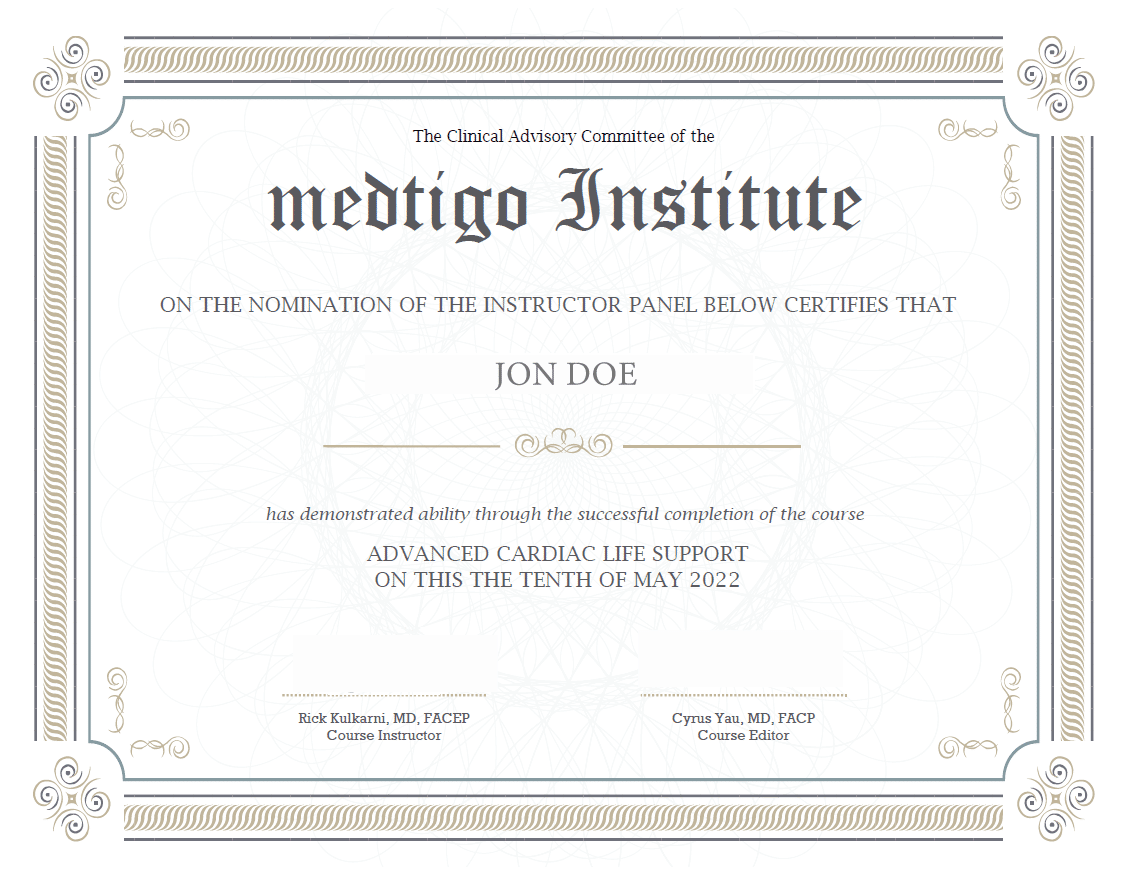
On course completion, you will receive a full-sized presentation quality digital certificate.
medtigo Simulation
A dynamic medical simulation platform designed to train healthcare professionals and students to effectively run code situations through an immersive hands-on experience in a live, interactive 3D environment.
medtigo Points
medtigo points is our unique point redemption system created to award users for interacting on our site. These points can be redeemed for special discounts on the medtigo marketplace as well as towards the membership cost itself.
Community Forum post/reply = 5 points
*Redemption of points can occur only through the medtigo marketplace, courses, or simulation system. Money will not be credited to your bank account. 10 points = $1.
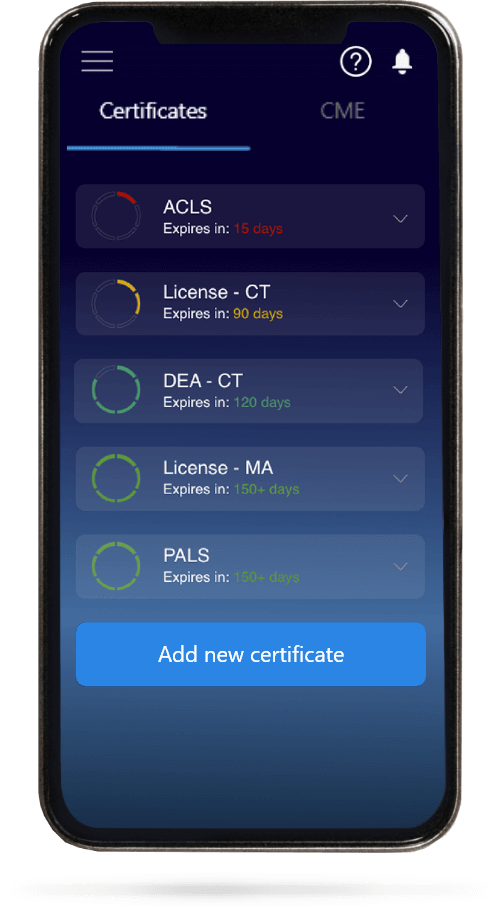
All Your Certificates in One Place
When you have your licenses, certificates and CMEs in one place, it's easier to track your career growth. You can easily share these with hospitals as well, using your medtigo app.