Hidden Risks of Exosome Injections in Pain Management
April 8, 2026






Background
Anorexia nervosa, otherwise known as loss of appetite, encompasses inability to maintain a minimally normal weight, intense fear of gaining weight, and dietary practices that prevent weight gain. These can have serious consequences on the physical and mental effects. The DSM-5 (Diagnostic and Statistical Manual of Mental Disorders, fifth edition) has thus redefined anorexia nervosa in terms of specific behaviours involving calorie restriction and removed the term “refusal” related to the maintenance of body weight. The criterion of amenorrhea has been eliminated because it is not applicable to everyone. This can be divided into two subtypes, binge-eating or purging marked by insufficient food-intake and purging behavior, and restrictive, characterized by severe limitation of food intake.
Although it is distinguished from bulimia nervosa in DSM-5, there is a goo deal of debate about whether the two disorders might actually constitute different expressions of a single eating disorder. Research conducted by the University of Chicago indicates that those with restrictive/purging anorexia almost always have irregular eating patterns.
Patients with this condition often manifest perfectionistic, industrious obsessive traits and tend to be perfectionistic, oversuccessful, and overly academic. They have restricted age-appropriate sexualoity an ddeny hunger. Psychiatric features may include excessive dependency, developmental immaturity, obsessive-compulsive features, emotional restriction, and social withdrawal. Additional comorbidity for mood disorders is frequent. Dysthymia and major depression are particularly frequent.
Epidemiology
Anorexia nervosa is more common in females than guys. Onset is during early adulthood or late adolescence. Lifetime prevalence is 0.3 to 1% regardless of race, culture, or ethnicity. It has been reported that studies from Europe indicated an incidence of 2% to 4%. Risk factors include childhood obesity, female sex, mood problems, personality qualioties, weight-related issues, or sexual abuse, peer or familial situations.
Anatomy
Pathophysiology
Research evidence shows that in addition to environmental factors, the course of anorexia nervosa is also determined by biological factors. Genetic links have been found with neuroticism, schizophrenia, and educational performance. Anorexics have altered brain structure and function where there are deficiencies or excesses in neurotransmitters, such as serotonin associated with impulse control and neuroticism, dopamine associated with eating behavior and reward, variable corticolimbic activation associated with fear and appetite, and reduced frontostriatal activity associated with habitual behaviors. Individuals suffer from co-occurring disorders like general anxiety disorder and major depressive disorders.
Etiology
Numerous professions rely on an individual’s weight for success. Models and actors portray an unrealistic, unreachable level of thinness, exaggerated by makeup and photo enhancements. Sportsmen in sports like long-distance running, ballet, and martial arts are obliged to keep low body weight to have an upper hand over their rivals. Diet secrets and tips on how to lose weight are highly publicized in the media. Some groups, such as young females, tend to relate self-control with weight loss and link higher self-esteem with thinner body types.
Genetics
Prognostic Factors
In AN, remission varies. Those who are outpatient treated have only fair to good outcomes, which include weight restoration, and three-fourths remit within five years. Relapse is more common in patients who have therapies outside a specialty clinic, those with co-occurring psychiatric problems, older patients, longer duration of disease, or lower body fat/weight at the end of treatment. Many patients who only have partial remission frequently develop another form of eating disorder, such as bulimia nervosa or eating disorder not otherwise specified.
AN has an increased rate of all-cause mortality compared to the general population. Of all the eating disorders, the condition has been linked with the highest mortality rate due to medical complications, substance abuse, and suicide. Suicide in patients with AN I smore significant, contributing to 25% o the related deaths,
Clinical History
According to a study by Nicholls et al., in 21% of individuals with childhood eating disorders, the disease manifested into early feeding difficulties prior to the actual diagnosis of the disease. Bulimia nervosa, Anorexia nervosa, and eating disorders not otherwise specified occurred in 1.4%, 37%, 43% respectively in young individuals with eating disorders. The incidence of eating disorders was 3 per 100000 people. AN psychological profiles commonly reveal evidence of obsessive-compulsive, premorbid anxiety disorders, and major affective disorders. Of the 208 subjects who met the criteria for an eating disorder, 41% had a significant comorbid disorder and 44% demonstrated a family history of psychiatric illnesses. As it identifies stratification into the risk of death, the patient’s self-concept and self-image are relevant considerations in treating anorexia nervosa.
Physical Examination
Although patients with anorexia nervosa often have an obvious emaciation, they still can be seen at any level in the continuum of weight loss. Many patients try to hide weight loss by loose, baggy clothing or multiple layers of clothing. The physical examination should be focused mainly on changes associated with AN that are commonly seen. Abnormalities of vital signs include bradycardia, hypothermia, and hypotension. Additional alterations consist of the following:
Calluses on the dorsum of the dominant hand and degradation of dental enamel are possible in patients who engage in purging behavior.
The following list includes the typical indicators of insufficient energy intake, or calories, that are seen in anorexic patients as a result of alterations brought on by starvation. Promising indicators consist of the following:
Negative signs are:
In terms of behavior, a patient may exhibit psychomotor slowness and a flat affect, particularly in the advanced stages of the illness. It has been documented that severe thiamine deficiency causes acute psychosis in cases of Wernicke-Korsakoff syndrome associated with anorexia nervosa.
Age group
Associated comorbidity
The following are the symptoms associated with this disorder.
Associated activity
Acuity of presentation
Differential Diagnoses
Laboratory Studies
Imaging Studies
Procedures
Histologic Findings
Staging
Treatment Paradigm
Pharmacologic therapy: Acute pharmacotherapy is rarely indicated in patients with AN. Although estrogen has not demonstrated an impact on bone density in anorexic patients, oral contraceptives or estrogen replacement therapy have been proposed to treat osteopenia. However, studies are currently under way to document the minimal effective dose of this hormone. Patients should be started on vitamin supplementation, including calcium.
Family- based therapy: This might further affect coping mechanism as a result of psychological problems resulting from eating disorders. The Maudsley method, that is the family-based treatment, works magic in the treatment of anorexia nervosa. This treatment ought to be collaborative and not excessive and the family ought to tackle the degree of negative thoughts. One large study found family-based therapy to be as effective as adolescent-focused therapy in maintaining recovery one year later. If severe, a family-based therapy plan might need to be extended.
Psychotherapy or behavioural therapy: When combined with behavioral techniques, psychodynamic psychotherapy is essential for treating anorexic individuals. Randomized controlled trials demonstrate the high efficacy of CBT, particularly when it comes to tube feeding.
Psychopharmacologic therapy: In AN, psychopharmacologic therapy is usually ineffective. However, fluoxetine can assist in recovery maintenance in patients at weight loss to 85% less of their ideal body weight. It is more effective when used together with cognitive behavioural treatment. Adjunctive low-dose olanzapine may be of benefit with inpatient therapy.
by Stage
by Modality
Chemotherapy
Radiation Therapy
Surgical Interventions
Hormone Therapy
Immunotherapy
Hyperthermia
Photodynamic Therapy
Stem Cell Transplant
Targeted Therapy
Palliative Care
modification-of-the-environment
Refeeding strategy: Nutrition is also extremely important in the management of the client with AN since this is when re-feeding syndrome can occur. A nutritionist or dietician should be involved to avoid severe fluctuations in sodium, magnesium and potassium due to re-feeding syndrome, starvation-induced hypophosphatemia, and cardiovascular collapse. Assessments in the vitamin D, calcium intake, and levels of retinol, Vitamins A and D, pantothenic acid, and linolenic acid can help in developing a good refeeding plan. The refeeding process should be done with utmost care and caution, with increments in metabolic needs being raised gradually. Tube refeeding should be initiated immediately while still hospitalized when a patient’s weight is below or at 85% of their predicted weight and/or falls below the 3rd percentile for BMI.
Activity: It is advised to engage in a little physical activity (such as sports or fitness courses). Reducing exercise also reduces energy expenditure, which guarantees a healthy weight. Furthermore, in the absence of structure, patients could exercise at extremely high intensities and in potentially dangerous ways. Restricting their activities might also encourage the patient to continue eating well so they can quickly resume their preferred activities.
The foundation of anorexia nervosa is calorie restriction combined with increased energy expenditure, which causes overexercising in an attempt to regulate weight. Exercise programs were used with hospitalized inpatients, and gaining weight and compliance were traded for exercise participation, according to earlier research.
Use of electrolyte supplements
Calcium carbonate: calcium helps regulates the function of muscle and nerve by controlling the threshold for action potential excitation. Additionally, it contributes to increased bone density.
Potassium chloride: Potassium plays a key role in transmitting nerve impulses, maintaining intracellular tonicity, cardiac muscle contraction, maintaining regular renal function, and contraction of smooth muscle.
Calcium gluconate: This moderates the performance of muscle and nerve and helps in facilitating normal function of heart.
Potassium phosphate (IV): Parenteral preparations, such as potassium or sodium phosphate (K2PO4), are necessary for repletion in cases of severe hypophosphatemia. Response to intravenous serum phosphorus supplementation varies and is linked to both hypocalcemia and hyperphosphatemia. For less severe hypophosphatemia, oral phosphate salt solutions in liquid or capsule form might be utilized.
Use of fat-soluble vitamins
Ergocalciferol: This is an analog of Vitamin D2 which gets converted to an intermediate (active) in the liver and this is further converted to the most active form in kidneys.
Use of antidepressants (SSRIs)
Fluoxetine: This drug inhibits the reuptake of presynaptic serotonin selectively, with no or minimal effect on the dopamine or norepinephrine reuptake. This is not recommended as the first choice of drug due to its adverse effects on GI tract.
use-of-phases-of-management-in-treating-loss-of-appetite
Treatment for loss of appetite, therefore, involves a detailed medical evaluation, diagnostic investigation, nutritional intervention, management of predisposing ailments, behavioral techniques, follow-up at regular intervals, feedback, long-term management, and continuous evaluation. Apart from psychological therapy for psychological disturbances, medical treatment is given for medical diseases. Meal planning, providing a cozy setting are some of the behavioral techniques. A balanced diet and supplements are some of the nutritional treatments. Follow-ups and feedback at regular intervals are necessary for the continuation of improvements.
Medication
Future Trends
Anorexia nervosa, otherwise known as loss of appetite, encompasses inability to maintain a minimally normal weight, intense fear of gaining weight, and dietary practices that prevent weight gain. These can have serious consequences on the physical and mental effects. The DSM-5 (Diagnostic and Statistical Manual of Mental Disorders, fifth edition) has thus redefined anorexia nervosa in terms of specific behaviours involving calorie restriction and removed the term “refusal” related to the maintenance of body weight. The criterion of amenorrhea has been eliminated because it is not applicable to everyone. This can be divided into two subtypes, binge-eating or purging marked by insufficient food-intake and purging behavior, and restrictive, characterized by severe limitation of food intake.
Although it is distinguished from bulimia nervosa in DSM-5, there is a goo deal of debate about whether the two disorders might actually constitute different expressions of a single eating disorder. Research conducted by the University of Chicago indicates that those with restrictive/purging anorexia almost always have irregular eating patterns.
Patients with this condition often manifest perfectionistic, industrious obsessive traits and tend to be perfectionistic, oversuccessful, and overly academic. They have restricted age-appropriate sexualoity an ddeny hunger. Psychiatric features may include excessive dependency, developmental immaturity, obsessive-compulsive features, emotional restriction, and social withdrawal. Additional comorbidity for mood disorders is frequent. Dysthymia and major depression are particularly frequent.
Anorexia nervosa is more common in females than guys. Onset is during early adulthood or late adolescence. Lifetime prevalence is 0.3 to 1% regardless of race, culture, or ethnicity. It has been reported that studies from Europe indicated an incidence of 2% to 4%. Risk factors include childhood obesity, female sex, mood problems, personality qualioties, weight-related issues, or sexual abuse, peer or familial situations.
Research evidence shows that in addition to environmental factors, the course of anorexia nervosa is also determined by biological factors. Genetic links have been found with neuroticism, schizophrenia, and educational performance. Anorexics have altered brain structure and function where there are deficiencies or excesses in neurotransmitters, such as serotonin associated with impulse control and neuroticism, dopamine associated with eating behavior and reward, variable corticolimbic activation associated with fear and appetite, and reduced frontostriatal activity associated with habitual behaviors. Individuals suffer from co-occurring disorders like general anxiety disorder and major depressive disorders.
Numerous professions rely on an individual’s weight for success. Models and actors portray an unrealistic, unreachable level of thinness, exaggerated by makeup and photo enhancements. Sportsmen in sports like long-distance running, ballet, and martial arts are obliged to keep low body weight to have an upper hand over their rivals. Diet secrets and tips on how to lose weight are highly publicized in the media. Some groups, such as young females, tend to relate self-control with weight loss and link higher self-esteem with thinner body types.
In AN, remission varies. Those who are outpatient treated have only fair to good outcomes, which include weight restoration, and three-fourths remit within five years. Relapse is more common in patients who have therapies outside a specialty clinic, those with co-occurring psychiatric problems, older patients, longer duration of disease, or lower body fat/weight at the end of treatment. Many patients who only have partial remission frequently develop another form of eating disorder, such as bulimia nervosa or eating disorder not otherwise specified.
AN has an increased rate of all-cause mortality compared to the general population. Of all the eating disorders, the condition has been linked with the highest mortality rate due to medical complications, substance abuse, and suicide. Suicide in patients with AN I smore significant, contributing to 25% o the related deaths,
According to a study by Nicholls et al., in 21% of individuals with childhood eating disorders, the disease manifested into early feeding difficulties prior to the actual diagnosis of the disease. Bulimia nervosa, Anorexia nervosa, and eating disorders not otherwise specified occurred in 1.4%, 37%, 43% respectively in young individuals with eating disorders. The incidence of eating disorders was 3 per 100000 people. AN psychological profiles commonly reveal evidence of obsessive-compulsive, premorbid anxiety disorders, and major affective disorders. Of the 208 subjects who met the criteria for an eating disorder, 41% had a significant comorbid disorder and 44% demonstrated a family history of psychiatric illnesses. As it identifies stratification into the risk of death, the patient’s self-concept and self-image are relevant considerations in treating anorexia nervosa.
Although patients with anorexia nervosa often have an obvious emaciation, they still can be seen at any level in the continuum of weight loss. Many patients try to hide weight loss by loose, baggy clothing or multiple layers of clothing. The physical examination should be focused mainly on changes associated with AN that are commonly seen. Abnormalities of vital signs include bradycardia, hypothermia, and hypotension. Additional alterations consist of the following:
Calluses on the dorsum of the dominant hand and degradation of dental enamel are possible in patients who engage in purging behavior.
The following list includes the typical indicators of insufficient energy intake, or calories, that are seen in anorexic patients as a result of alterations brought on by starvation. Promising indicators consist of the following:
Negative signs are:
In terms of behavior, a patient may exhibit psychomotor slowness and a flat affect, particularly in the advanced stages of the illness. It has been documented that severe thiamine deficiency causes acute psychosis in cases of Wernicke-Korsakoff syndrome associated with anorexia nervosa.
The following are the symptoms associated with this disorder.
Pharmacologic therapy: Acute pharmacotherapy is rarely indicated in patients with AN. Although estrogen has not demonstrated an impact on bone density in anorexic patients, oral contraceptives or estrogen replacement therapy have been proposed to treat osteopenia. However, studies are currently under way to document the minimal effective dose of this hormone. Patients should be started on vitamin supplementation, including calcium.
Family- based therapy: This might further affect coping mechanism as a result of psychological problems resulting from eating disorders. The Maudsley method, that is the family-based treatment, works magic in the treatment of anorexia nervosa. This treatment ought to be collaborative and not excessive and the family ought to tackle the degree of negative thoughts. One large study found family-based therapy to be as effective as adolescent-focused therapy in maintaining recovery one year later. If severe, a family-based therapy plan might need to be extended.
Psychotherapy or behavioural therapy: When combined with behavioral techniques, psychodynamic psychotherapy is essential for treating anorexic individuals. Randomized controlled trials demonstrate the high efficacy of CBT, particularly when it comes to tube feeding.
Psychopharmacologic therapy: In AN, psychopharmacologic therapy is usually ineffective. However, fluoxetine can assist in recovery maintenance in patients at weight loss to 85% less of their ideal body weight. It is more effective when used together with cognitive behavioural treatment. Adjunctive low-dose olanzapine may be of benefit with inpatient therapy.
Pediatrics, General
Refeeding strategy: Nutrition is also extremely important in the management of the client with AN since this is when re-feeding syndrome can occur. A nutritionist or dietician should be involved to avoid severe fluctuations in sodium, magnesium and potassium due to re-feeding syndrome, starvation-induced hypophosphatemia, and cardiovascular collapse. Assessments in the vitamin D, calcium intake, and levels of retinol, Vitamins A and D, pantothenic acid, and linolenic acid can help in developing a good refeeding plan. The refeeding process should be done with utmost care and caution, with increments in metabolic needs being raised gradually. Tube refeeding should be initiated immediately while still hospitalized when a patient’s weight is below or at 85% of their predicted weight and/or falls below the 3rd percentile for BMI.
Activity: It is advised to engage in a little physical activity (such as sports or fitness courses). Reducing exercise also reduces energy expenditure, which guarantees a healthy weight. Furthermore, in the absence of structure, patients could exercise at extremely high intensities and in potentially dangerous ways. Restricting their activities might also encourage the patient to continue eating well so they can quickly resume their preferred activities.
The foundation of anorexia nervosa is calorie restriction combined with increased energy expenditure, which causes overexercising in an attempt to regulate weight. Exercise programs were used with hospitalized inpatients, and gaining weight and compliance were traded for exercise participation, according to earlier research.
Pediatrics, General
Calcium carbonate: calcium helps regulates the function of muscle and nerve by controlling the threshold for action potential excitation. Additionally, it contributes to increased bone density.
Potassium chloride: Potassium plays a key role in transmitting nerve impulses, maintaining intracellular tonicity, cardiac muscle contraction, maintaining regular renal function, and contraction of smooth muscle.
Calcium gluconate: This moderates the performance of muscle and nerve and helps in facilitating normal function of heart.
Potassium phosphate (IV): Parenteral preparations, such as potassium or sodium phosphate (K2PO4), are necessary for repletion in cases of severe hypophosphatemia. Response to intravenous serum phosphorus supplementation varies and is linked to both hypocalcemia and hyperphosphatemia. For less severe hypophosphatemia, oral phosphate salt solutions in liquid or capsule form might be utilized.
Pediatrics, General
Ergocalciferol: This is an analog of Vitamin D2 which gets converted to an intermediate (active) in the liver and this is further converted to the most active form in kidneys.
Pediatrics, General
Fluoxetine: This drug inhibits the reuptake of presynaptic serotonin selectively, with no or minimal effect on the dopamine or norepinephrine reuptake. This is not recommended as the first choice of drug due to its adverse effects on GI tract.
Pediatrics, General
Treatment for loss of appetite, therefore, involves a detailed medical evaluation, diagnostic investigation, nutritional intervention, management of predisposing ailments, behavioral techniques, follow-up at regular intervals, feedback, long-term management, and continuous evaluation. Apart from psychological therapy for psychological disturbances, medical treatment is given for medical diseases. Meal planning, providing a cozy setting are some of the behavioral techniques. A balanced diet and supplements are some of the nutritional treatments. Follow-ups and feedback at regular intervals are necessary for the continuation of improvements.

Anorexia nervosa, otherwise known as loss of appetite, encompasses inability to maintain a minimally normal weight, intense fear of gaining weight, and dietary practices that prevent weight gain. These can have serious consequences on the physical and mental effects. The DSM-5 (Diagnostic and Statistical Manual of Mental Disorders, fifth edition) has thus redefined anorexia nervosa in terms of specific behaviours involving calorie restriction and removed the term “refusal” related to the maintenance of body weight. The criterion of amenorrhea has been eliminated because it is not applicable to everyone. This can be divided into two subtypes, binge-eating or purging marked by insufficient food-intake and purging behavior, and restrictive, characterized by severe limitation of food intake.
Although it is distinguished from bulimia nervosa in DSM-5, there is a goo deal of debate about whether the two disorders might actually constitute different expressions of a single eating disorder. Research conducted by the University of Chicago indicates that those with restrictive/purging anorexia almost always have irregular eating patterns.
Patients with this condition often manifest perfectionistic, industrious obsessive traits and tend to be perfectionistic, oversuccessful, and overly academic. They have restricted age-appropriate sexualoity an ddeny hunger. Psychiatric features may include excessive dependency, developmental immaturity, obsessive-compulsive features, emotional restriction, and social withdrawal. Additional comorbidity for mood disorders is frequent. Dysthymia and major depression are particularly frequent.
Anorexia nervosa is more common in females than guys. Onset is during early adulthood or late adolescence. Lifetime prevalence is 0.3 to 1% regardless of race, culture, or ethnicity. It has been reported that studies from Europe indicated an incidence of 2% to 4%. Risk factors include childhood obesity, female sex, mood problems, personality qualioties, weight-related issues, or sexual abuse, peer or familial situations.
Research evidence shows that in addition to environmental factors, the course of anorexia nervosa is also determined by biological factors. Genetic links have been found with neuroticism, schizophrenia, and educational performance. Anorexics have altered brain structure and function where there are deficiencies or excesses in neurotransmitters, such as serotonin associated with impulse control and neuroticism, dopamine associated with eating behavior and reward, variable corticolimbic activation associated with fear and appetite, and reduced frontostriatal activity associated with habitual behaviors. Individuals suffer from co-occurring disorders like general anxiety disorder and major depressive disorders.
Numerous professions rely on an individual’s weight for success. Models and actors portray an unrealistic, unreachable level of thinness, exaggerated by makeup and photo enhancements. Sportsmen in sports like long-distance running, ballet, and martial arts are obliged to keep low body weight to have an upper hand over their rivals. Diet secrets and tips on how to lose weight are highly publicized in the media. Some groups, such as young females, tend to relate self-control with weight loss and link higher self-esteem with thinner body types.
In AN, remission varies. Those who are outpatient treated have only fair to good outcomes, which include weight restoration, and three-fourths remit within five years. Relapse is more common in patients who have therapies outside a specialty clinic, those with co-occurring psychiatric problems, older patients, longer duration of disease, or lower body fat/weight at the end of treatment. Many patients who only have partial remission frequently develop another form of eating disorder, such as bulimia nervosa or eating disorder not otherwise specified.
AN has an increased rate of all-cause mortality compared to the general population. Of all the eating disorders, the condition has been linked with the highest mortality rate due to medical complications, substance abuse, and suicide. Suicide in patients with AN I smore significant, contributing to 25% o the related deaths,
According to a study by Nicholls et al., in 21% of individuals with childhood eating disorders, the disease manifested into early feeding difficulties prior to the actual diagnosis of the disease. Bulimia nervosa, Anorexia nervosa, and eating disorders not otherwise specified occurred in 1.4%, 37%, 43% respectively in young individuals with eating disorders. The incidence of eating disorders was 3 per 100000 people. AN psychological profiles commonly reveal evidence of obsessive-compulsive, premorbid anxiety disorders, and major affective disorders. Of the 208 subjects who met the criteria for an eating disorder, 41% had a significant comorbid disorder and 44% demonstrated a family history of psychiatric illnesses. As it identifies stratification into the risk of death, the patient’s self-concept and self-image are relevant considerations in treating anorexia nervosa.
Although patients with anorexia nervosa often have an obvious emaciation, they still can be seen at any level in the continuum of weight loss. Many patients try to hide weight loss by loose, baggy clothing or multiple layers of clothing. The physical examination should be focused mainly on changes associated with AN that are commonly seen. Abnormalities of vital signs include bradycardia, hypothermia, and hypotension. Additional alterations consist of the following:
Calluses on the dorsum of the dominant hand and degradation of dental enamel are possible in patients who engage in purging behavior.
The following list includes the typical indicators of insufficient energy intake, or calories, that are seen in anorexic patients as a result of alterations brought on by starvation. Promising indicators consist of the following:
Negative signs are:
In terms of behavior, a patient may exhibit psychomotor slowness and a flat affect, particularly in the advanced stages of the illness. It has been documented that severe thiamine deficiency causes acute psychosis in cases of Wernicke-Korsakoff syndrome associated with anorexia nervosa.
The following are the symptoms associated with this disorder.
Pharmacologic therapy: Acute pharmacotherapy is rarely indicated in patients with AN. Although estrogen has not demonstrated an impact on bone density in anorexic patients, oral contraceptives or estrogen replacement therapy have been proposed to treat osteopenia. However, studies are currently under way to document the minimal effective dose of this hormone. Patients should be started on vitamin supplementation, including calcium.
Family- based therapy: This might further affect coping mechanism as a result of psychological problems resulting from eating disorders. The Maudsley method, that is the family-based treatment, works magic in the treatment of anorexia nervosa. This treatment ought to be collaborative and not excessive and the family ought to tackle the degree of negative thoughts. One large study found family-based therapy to be as effective as adolescent-focused therapy in maintaining recovery one year later. If severe, a family-based therapy plan might need to be extended.
Psychotherapy or behavioural therapy: When combined with behavioral techniques, psychodynamic psychotherapy is essential for treating anorexic individuals. Randomized controlled trials demonstrate the high efficacy of CBT, particularly when it comes to tube feeding.
Psychopharmacologic therapy: In AN, psychopharmacologic therapy is usually ineffective. However, fluoxetine can assist in recovery maintenance in patients at weight loss to 85% less of their ideal body weight. It is more effective when used together with cognitive behavioural treatment. Adjunctive low-dose olanzapine may be of benefit with inpatient therapy.
Pediatrics, General
Refeeding strategy: Nutrition is also extremely important in the management of the client with AN since this is when re-feeding syndrome can occur. A nutritionist or dietician should be involved to avoid severe fluctuations in sodium, magnesium and potassium due to re-feeding syndrome, starvation-induced hypophosphatemia, and cardiovascular collapse. Assessments in the vitamin D, calcium intake, and levels of retinol, Vitamins A and D, pantothenic acid, and linolenic acid can help in developing a good refeeding plan. The refeeding process should be done with utmost care and caution, with increments in metabolic needs being raised gradually. Tube refeeding should be initiated immediately while still hospitalized when a patient’s weight is below or at 85% of their predicted weight and/or falls below the 3rd percentile for BMI.
Activity: It is advised to engage in a little physical activity (such as sports or fitness courses). Reducing exercise also reduces energy expenditure, which guarantees a healthy weight. Furthermore, in the absence of structure, patients could exercise at extremely high intensities and in potentially dangerous ways. Restricting their activities might also encourage the patient to continue eating well so they can quickly resume their preferred activities.
The foundation of anorexia nervosa is calorie restriction combined with increased energy expenditure, which causes overexercising in an attempt to regulate weight. Exercise programs were used with hospitalized inpatients, and gaining weight and compliance were traded for exercise participation, according to earlier research.
Pediatrics, General
Calcium carbonate: calcium helps regulates the function of muscle and nerve by controlling the threshold for action potential excitation. Additionally, it contributes to increased bone density.
Potassium chloride: Potassium plays a key role in transmitting nerve impulses, maintaining intracellular tonicity, cardiac muscle contraction, maintaining regular renal function, and contraction of smooth muscle.
Calcium gluconate: This moderates the performance of muscle and nerve and helps in facilitating normal function of heart.
Potassium phosphate (IV): Parenteral preparations, such as potassium or sodium phosphate (K2PO4), are necessary for repletion in cases of severe hypophosphatemia. Response to intravenous serum phosphorus supplementation varies and is linked to both hypocalcemia and hyperphosphatemia. For less severe hypophosphatemia, oral phosphate salt solutions in liquid or capsule form might be utilized.
Pediatrics, General
Ergocalciferol: This is an analog of Vitamin D2 which gets converted to an intermediate (active) in the liver and this is further converted to the most active form in kidneys.
Pediatrics, General
Fluoxetine: This drug inhibits the reuptake of presynaptic serotonin selectively, with no or minimal effect on the dopamine or norepinephrine reuptake. This is not recommended as the first choice of drug due to its adverse effects on GI tract.
Pediatrics, General
Treatment for loss of appetite, therefore, involves a detailed medical evaluation, diagnostic investigation, nutritional intervention, management of predisposing ailments, behavioral techniques, follow-up at regular intervals, feedback, long-term management, and continuous evaluation. Apart from psychological therapy for psychological disturbances, medical treatment is given for medical diseases. Meal planning, providing a cozy setting are some of the behavioral techniques. A balanced diet and supplements are some of the nutritional treatments. Follow-ups and feedback at regular intervals are necessary for the continuation of improvements.

Both our subscription plans include Free CME/CPD AMA PRA Category 1 credits.
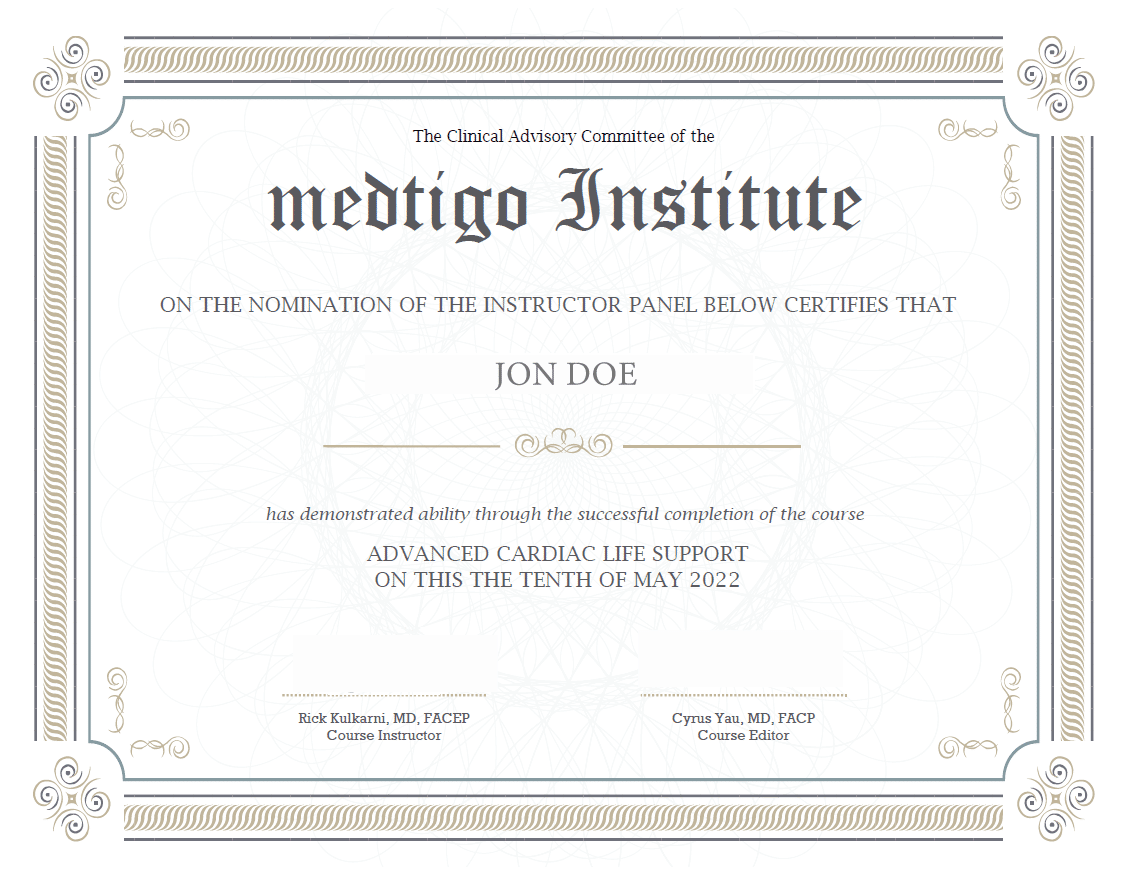
On course completion, you will receive a full-sized presentation quality digital certificate.
A dynamic medical simulation platform designed to train healthcare professionals and students to effectively run code situations through an immersive hands-on experience in a live, interactive 3D environment.

When you have your licenses, certificates and CMEs in one place, it's easier to track your career growth. You can easily share these with hospitals as well, using your medtigo app.