Hidden Risks of Exosome Injections in Pain Management
April 8, 2026




Brand Name :
Veetids
(United States) [Available] ,Pen Vee K
(United States) [Available] ,Penicillin v
(United States) [Available]Synonyms :
penicillin v potassium
Class :
Class: Antimicrobials and Antiviral Drugs



Brand Name :
Veetids
(United States) [Available] ,Pen Vee K
(United States) [Available] ,Penicillin v
(United States) [Available]Synonyms :
penicillin v potassium
Class :
Class: Antimicrobials and Antiviral Drugs
Dosage forms and strengths:
Oral solution
125mg/5mL
250mg/5mL
Tablet
250mg
500mg
125 - 250
mg
Orally
every 6-8 hrs
250 - 500
mg
Orally
every 6 hrs
till the patient becomes afebrile for 2 days
250 - 500
mg
Orally
every 6-8 hrs
250
mg
orally
4 times a day
10
days
Indicated for Rheumatic Fever Prophylaxis:
125 - 250
mg
Orally
2 times a day
500
mg
orally
4 times a day
7 - 10
days
Note: For bio-terrorism duration of treatment is 60 days
250 - 500
mg
orally
every 6-8 hrs
500
mg
Orally
2-4 times a day
Group A Streptococcal (GAS) Infections
125 - 250
mg
Orally
every 8 hrs
10
days
Dosage forms and strengths:
Oral solution
125mg/5mL
250mg/5mL
Tablet
250mg
500mg
Group A Streptococcal (GAS) Infections
Age > 12 years:
125 - 250
mg
Orally
every 6-8 hrs
10
days
Age > 12 years:
125 - 250
mg
orally
every 6-8 hrs
10
days
Age >12 years:
250 - 500
mg
Orally
every 6 hrs
till the patient becomes afebrile for a period of 2 days
250 - 500
mg
orally
every 6-8 hrs
250 - 500
mg
Orally
every 6-8 hrs
when Penicillin V combines cholera vaccine it decreases the effect of vaccine by antagonism.
When Penicillin V combines demeclocycline it decreases the effect of Penicillin V by antagonism.
When Penicillin V combines with doxycycline it decreases the effect of Penicillin V by antagonism.
When Penicillin V combines minocycline it decreases the effect of Penicillin V by antagonism.
When Penicillin V combines with omadacycline it decreases the effect of Penicillin V by antagonism.
When Penicillin V combines with sarecycline it decreases the effect of Penicillin V by antagonism.
When Penicillin V combines tetracycline it decreases the effect of Penicillin V by antagonism.
When Penicillin V combines typhoid vaccine it decreases the effect of vaccine by antagonism.
tetracycline may decrease the therapeutic effects of penicillins by interfering with its bactericidal effects
tetracycline may decrease the therapeutic effects of penicillins by interfering with its bactericidal effects
when Penicillin V combines with anisindione it will increase bleeding I patients who have renal and hepatic impairment.
When Penicillin V combines with balsalazide it will decrease the effectiveness of the drug.
when Penicillin V combines with Bifidobacterium infantis it will decrease the effectiveness of the drug.
when Penicillin V combines with dicumarol it will increase bleeding I patients who have renal and hepatic impairment.
When Penicillin V combines with entecavir it will decrease the effectiveness of the drug and increase the blood levels.
Penicillin V combined with estradiol will decrease the effectiveness of the drug.
when Penicillin V combines with lactobacillus acidophilus it will decrease the effectiveness of the drug.
when Penicillin V combines with warfarin it will increase bleeding I patients who have renal and hepatic impairment.
penicillins may decrease the serum concentration of Aminoglycosides
penicillins may decrease the serum concentration of Aminoglycosides
penicillins may decrease the serum concentration of Aminoglycosides
penicillins may decrease the serum concentration of Aminoglycosides
penicillins may decrease the serum concentration of Aminoglycosides
bismuth subcitrate, metronidazole and tetracycline
tetracyclines may diminish the therapeutic effect of penicillins
tetracyclines may diminish the therapeutic effect of penicillins
tetracyclines may diminish the therapeutic effect of penicillins
tetracyclines may diminish the therapeutic effect of penicillins
tetracyclines may diminish the therapeutic effect of penicillins
When Penicillin V combines with azithromycin it will decrease the effectiveness of the drug by antagonism or synergism.
When Penicillin V combines with clarithromycin it will decrease the effectiveness of the drug by antagonism or synergism.
when Penicillin V combines with dirithromycin it will decrease the effectiveness of the drug by antagonism or synergism.
when Penicillin V combines with probenecid it will increase the levels of plasma concentration and half the life of the drug.
Actions and spectrum:
Actions:
Penicillin VK kills bacteria when they’re growing. It stops the cell walls from forming correctly. But it can’t work on bacteria that make penicillinase, like some staph germs. Penicillin VK’s potassium form doesn’t get destroyed by stomach acid like penicillin G. So it works better for many infections caused by bacteria.
Spectrum:
Penicillin VK is effective against many types of bacteria, both gram-positive and gram-negative ones. It treats infections like sore throat, gum disease, and lung problems. This medicine stops bacteria from making their cell walls. This kills the bacteria. Penicillin VK works on a wide variety of bacteria, making it useful for different infections.
Adverse drug reactions:
1%- 1.5%
Nausea
Vomiting
Epigastric distress
Diarrhea
Rash
Injection site pain
Frequency not defined
Fever
Joint pain
Fatal anaphylaxis
Black hairy tongue
Hemolytic anemia
Leukopenia
Thrombocytopenia
Neuropathy
Nephropathy
Note: Fetal anaphylaxis if it left untreated may lead to serious risk to the patient which can lead to coma, shock, heart failure, respiratory failure and death.
Warnings:
Contraindication:
The contraindication of Penicillin V is hypersensitivity to any penicillin.
Precautions:
It is important to note that the drug Penicillin V should be taken with caution and must check the history of patients has allergic reactions to drugs.
Pregnancy consideration:
Lactation:
Pregnancy category:
Category A: Studies that were well-controlled and met expectations revealed no risk to the fetus in either the first or second trimester.
Category B: There was a lack of studies on pregnant women and no evidence of risk to the fetus in animal experiments.
Category C: there was evidence of risk of adverse effects in animal reproduction studies, and no adequate evidence in human studies must take care of potential risks in pregnant women.
Category D: adequate data with sufficient evidence of human fetal risk from various platforms, but despite the potential risk, and used only in emergency cases for potential benefits.
Category X: Drugs listed in this category outweigh the risks over benefits. Hence, these categories of drugs need to be avoided by pregnant women.
Category N: There is no data available for the drug under this category
Pharmacology:
Penicillin VK, or penicillin V potassium, is an antibiotic from the penicillin family. It works by preventing bacteria from building cell walls properly. This causes the bacterial cells to rupture and die. Penicillin VK is most effective when used at the right levels during active bacterial growth. At these concentrations, it kills susceptible bacteria. However, if the levels are too low, penicillin VK may only slow down bacterial growth instead of killing the bacteria. While it mainly targets gram-positive bacteria, penicillin VK can also work against some gram-negative organisms. In summary, penicillin VK disrupts the synthesis of bacterial cell walls. This ultimately leads to bacterial death and the resolution of infections.
Pharmacodynamics:
Penicillin VK shows its effects by working best when given in the right amounts when bacteria are rapidly multiplying. At lower amounts, it may only stop bacteria growth. By blocking cell wall formation, penicillin VK kills bacteria that are susceptible to it. Penicillin VK works by halting the development of the cell wall in bacteria. Its action leads to the death of bacteria that are vulnerable to its effects.
Pharmacokinetics:
Absorption
When it comes to penicillin VK, this medicine quickly enters your blood. Around 60% to 73% of the dosage is absorbed. It takes 0.5 to 1 hour for its levels to peak.
Distribution
The majority, about 80%, binds to proteins circulating in your bloodstream.
Metabolism
Your liver then breaks it down into inactive parts.
Elimination and excretion
After that, your body gets rid of penicillin VK, mainly through urine. Due to rapid metabolism and elimination, this drug doesn’t remain long with half life of half an hour or more. These properties ensure therapeutic levels build up fast. But they also mean you need frequent doses. This helps maintain adequate amounts of the medicine in your system to fight bacterial infections effectively.
Administration:
Take Penicillin VK properly. Follow the doctor’s directions. It doesn’t matter if you take it with food or not. But for best results, take it one hour before or two hours after a meal. This allows your body to absorb the medicine better. The antibiotic will work well against bacterial infections this way. Take your doses on time, as prescribed. This is crucial for the treatment’s success and prevents antibiotic resistance.
Patient Information Leaflet:
Generic Name: penicillin VK
Pronunciation: PEN-i-SIL-in V K
Why do we use penicillin VK?
Penicillin VK fights bacterial infections. It works against streptococcal throat infections, actinomycosis, erysipelas, gum infections, rheumatic fever, and joint implant infections. Penicillin VK is an antibiotic. It stops bacteria from building their cell walls. This antibiotic works well on streptococcal infections. Untreated streptococcal infections can cause serious problems.

Both our subscription plans include Free CME/CPD AMA PRA Category 1 credits.
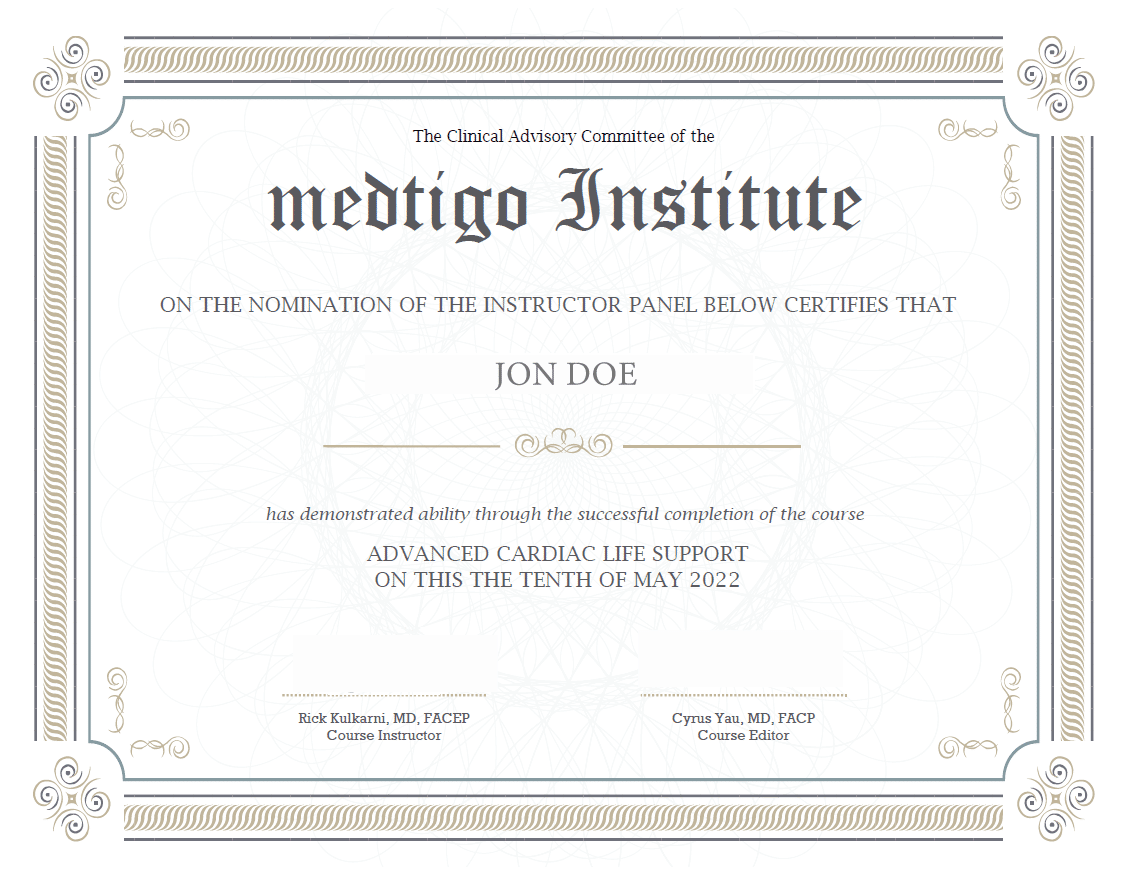
On course completion, you will receive a full-sized presentation quality digital certificate.
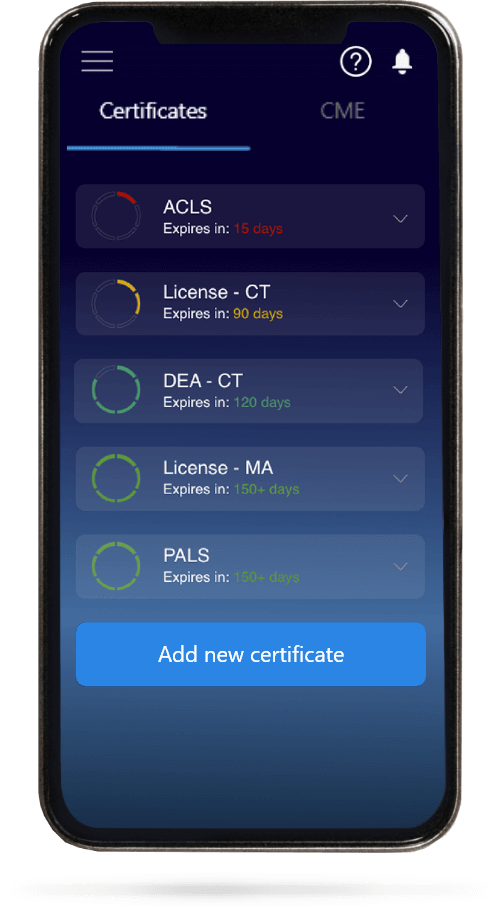
When you have your licenses, certificates and CMEs in one place, it's easier to track your career growth. You can easily share these with hospitals as well, using your medtigo app.