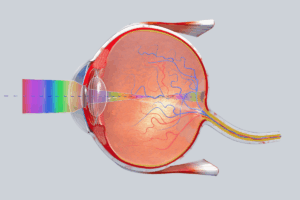
World’s First Human Implant of a 3D-Printed Cornea Restores Sight
December 15, 2025






Background
MELAS syndrome, which stands for Mitochondrial Encephalomyopathy, Lactic Acidosis, and Stroke-like episodes, is a rare and complex mitochondrial disorder. Mitochondria are cellular structures responsible for generating energy in the form of adenosine triphosphate (ATP).
With MELAS syndrome, a variety of symptoms are possible, most of which are related to the neurological and muscular systems. MELAS syndrome is typically caused by mutations in mitochondrial DNA (mtDNA). Mitochondrial DNA can only be passed from the mother to her children; nuclear DNA is inherited from both parents. Thus, MELAS syndrome is maternally inherited.
Clinical Features:
MELAS syndrome often begins in childhood or adolescence, but the age of onset can vary. Apart from neurological symptoms, MELAS can affect various organs and systems in the body, including the heart, muscles, and gastrointestinal system. Diagnosis of MELAS syndrome involves clinical evaluation, genetic testing to identify mitochondrial DNA mutations and other diagnostic tests such as muscle biopsies and imaging studies.
Epidemiology
The estimated rate is between 1 in 4,000 and 1 in 10,000 people. The syndrome can occur in people of all ethnic backgrounds, and both males and females can be affected. The age of onset is variable but often occurs in childhood or adolescence. However, cases with onset in adulthood have also been reported.
Because of its rarity and variability in clinical presentation, MELAS syndrome may be underdiagnosed or misdiagnosed in some cases. The condition is often underrecognized due to its symptoms and the fact that its features can overlap with other neurological and metabolic disorders. MELAS syndrome is associated with mitochondrial DNA mutations, which can occur spontaneously or be inherited maternally.
Anatomy
Pathophysiology
The pathophysiology of MELAS (Mitochondrial Encephalopathy, Lactic Acidosis, and Stroke-like episodes) syndrome is primarily rooted in mitochondrial dysfunction due to mutations in mitochondrial DNA (mtDNA). Adenosine triphosphate (ATP), which is produced via oxidative phosphorylation, is produced by mitochondria, which are cellular organelles. MELAS syndrome is considered a mitochondrial disorder, and the pathophysiology involves several key aspects:
Etiology
Genetics
Prognostic Factors
Clinical History
Clinical Presentation by Age Group:
Infancy and Early Childhood:
Childhood and Adolescence:
Adulthood:
Physical Examination
Neurological Examination:
Cardiovascular Examination:
Musculoskeletal Examination:
Respiratory Examination:
Gastrointestinal Examination:
Specialized Testing:
Age group
Associated comorbidity
Associated activity
Acuity of presentation
Differential Diagnoses
Laboratory Studies
Imaging Studies
Procedures
Histologic Findings
Staging
Treatment Paradigm
The treatment of MELAS is primarily supportive and focuses on managing symptoms to improve the individual’s quality of life.
by Stage
by Modality
Chemotherapy
Radiation Therapy
Surgical Interventions
Hormone Therapy
Immunotherapy
Hyperthermia
Photodynamic Therapy
Stem Cell Transplant
Targeted Therapy
Palliative Care
use-of-a-non-pharmacological-approach-for-treating-melas-syndrome
Dietary Modifications: Working with a registered dietitian can help tailor a diet that supports the individual’s nutritional needs. This may include ensuring an adequate intake of nutrients and adjusting the diet to accommodate any feeding difficulties.
Physical Therapy: Targeted exercises and physical therapy can help manage muscle weakness, improve coordination, and enhance mobility. This is particularly important for addressing motor impairments associated with MELAS.
Occupational Therapy: Occupational therapy focuses on activities of daily living, fine motor skills, and adaptive strategies to promote independence.
Speech and Swallowing Therapy: Individuals with MELAS who experience difficulties with speech or swallowing may benefit from speech therapy. This can include exercises to improve oral motor function, communication strategies, and swallowing techniques.
Respiratory Support: If respiratory muscle weakness becomes significant, non-pharmacological interventions such as non-invasive ventilation may be considered to support breathing.
Environmental Modifications: Adapting the living environment to enhance safety and accessibility can be crucial. This may include modifications to the home, such as ramps, handrails, or other assistive devices.
Psychosocial Support: Addressing the psychosocial aspects of living with a chronic and progressive condition is important. Counseling and support groups can provide emotional support and help individuals and families navigate the emotional impact of the syndrome.
Genetic Counseling: Genetic counseling is a non-pharmacological approach that provides information and support regarding the genetic aspects of MELAS. It can assist individuals and families in making informed decisions about family planning and understanding the risk of transmission.
Role of Antiepileptic medications in seizure management
The management of MELAS involves addressing specific symptoms and complications associated with the condition.
While there are no pharmaceutical agents that directly target the underlying mitochondrial dysfunction, medications may be prescribed to manage specific symptoms and improve the individual’s quality of life. Antiepileptic medications are often prescribed to manage seizures associated with MELAS.
Valproic acid– Valproic acid may be considered one of the antiepileptic medications in the management of seizures associated with MELAS.
Role of <a class="wpil_keyword_link" href="https://medtigo.com/drug/coenzyme-q10" title="coenzyme Q10" data-wpil-keyword-link="linked">coenzyme Q10</a> for the treatment of MELAS syndrome
Coenzyme Q10 (CoQ10) is a naturally occurring compound that plays a crucial role in the production of energy within the mitochondria, the energy-producing structures within cells.
Given the mitochondrial dysfunction associated with MELAS (Mitochondrial Encephalopathy, Lactic Acidosis, and Stroke-like episodes) syndrome, CoQ10 has been investigated as a potential therapeutic option. However, the evidence regarding its efficacy in treating MELAS is limited, and its use remains experimental.
Idebenone– Idebenone is believed to act as an electron carrier in the mitochondrial respiratory chain, facilitating the production of ATP and potentially improving mitochondrial function.
The rationale for using idebenone in MELAS is to provide additional support for mitochondrial function, addressing the energy production deficits associated with the disorder.
Some clinical trials and observational studies have explored the use of idebenone in mitochondrial disorders, including MELAS.
Exploring L-arginine as a Potential Therapeutic Avenue for MELAS Syndrome: <a class="wpil_keyword_link" href="https://medtigo.com/drug/nitric-oxide" title="Nitric Oxide" data-wpil-keyword-link="linked">Nitric Oxide</a>, Vasodilation, and Considerations for Individualized Treatment
Nitric Oxide Production: L-arginine serves as a precursor for nitric oxide, a molecule that plays a role in vasodilation and blood flow regulation. The theoretical basis for considering L-arginine in MELAS is to enhance nitric oxide production, potentially improving blood flow and providing neuroprotective effects.
Vasodilation and Blood Flow: L-arginine may have vasodilatory effects, potentially improving blood flow to areas affected by stroke-like episodes in MELAS. The focus may be on addressing the vascular component of MELAS, particularly in the context of stroke-like episodes.
use-of-intervention-with-a-procedure-in-treating-melas-syndrome
use-of-phases-in-managing-melas-syndrome
Diagnosis Phase:
Symptomatic Management:
Lactic Acidosis Management:
Stroke-Like Episode Management:
Nutritional Support:
Mitochondrial Support:
Monitoring and Regular Follow-Up:
Genetic Counseling:
Research and Clinical Trials:
Medication
Future Trends
References
MELAS syndrome, which stands for Mitochondrial Encephalomyopathy, Lactic Acidosis, and Stroke-like episodes, is a rare and complex mitochondrial disorder. Mitochondria are cellular structures responsible for generating energy in the form of adenosine triphosphate (ATP).
With MELAS syndrome, a variety of symptoms are possible, most of which are related to the neurological and muscular systems. MELAS syndrome is typically caused by mutations in mitochondrial DNA (mtDNA). Mitochondrial DNA can only be passed from the mother to her children; nuclear DNA is inherited from both parents. Thus, MELAS syndrome is maternally inherited.
Clinical Features:
MELAS syndrome often begins in childhood or adolescence, but the age of onset can vary. Apart from neurological symptoms, MELAS can affect various organs and systems in the body, including the heart, muscles, and gastrointestinal system. Diagnosis of MELAS syndrome involves clinical evaluation, genetic testing to identify mitochondrial DNA mutations and other diagnostic tests such as muscle biopsies and imaging studies.
The estimated rate is between 1 in 4,000 and 1 in 10,000 people. The syndrome can occur in people of all ethnic backgrounds, and both males and females can be affected. The age of onset is variable but often occurs in childhood or adolescence. However, cases with onset in adulthood have also been reported.
Because of its rarity and variability in clinical presentation, MELAS syndrome may be underdiagnosed or misdiagnosed in some cases. The condition is often underrecognized due to its symptoms and the fact that its features can overlap with other neurological and metabolic disorders. MELAS syndrome is associated with mitochondrial DNA mutations, which can occur spontaneously or be inherited maternally.
The pathophysiology of MELAS (Mitochondrial Encephalopathy, Lactic Acidosis, and Stroke-like episodes) syndrome is primarily rooted in mitochondrial dysfunction due to mutations in mitochondrial DNA (mtDNA). Adenosine triphosphate (ATP), which is produced via oxidative phosphorylation, is produced by mitochondria, which are cellular organelles. MELAS syndrome is considered a mitochondrial disorder, and the pathophysiology involves several key aspects:
Clinical Presentation by Age Group:
Infancy and Early Childhood:
Childhood and Adolescence:
Adulthood:
Neurological Examination:
Cardiovascular Examination:
Musculoskeletal Examination:
Respiratory Examination:
Gastrointestinal Examination:
Specialized Testing:
The treatment of MELAS is primarily supportive and focuses on managing symptoms to improve the individual’s quality of life.
Dietary Modifications: Working with a registered dietitian can help tailor a diet that supports the individual’s nutritional needs. This may include ensuring an adequate intake of nutrients and adjusting the diet to accommodate any feeding difficulties.
Physical Therapy: Targeted exercises and physical therapy can help manage muscle weakness, improve coordination, and enhance mobility. This is particularly important for addressing motor impairments associated with MELAS.
Occupational Therapy: Occupational therapy focuses on activities of daily living, fine motor skills, and adaptive strategies to promote independence.
Speech and Swallowing Therapy: Individuals with MELAS who experience difficulties with speech or swallowing may benefit from speech therapy. This can include exercises to improve oral motor function, communication strategies, and swallowing techniques.
Respiratory Support: If respiratory muscle weakness becomes significant, non-pharmacological interventions such as non-invasive ventilation may be considered to support breathing.
Environmental Modifications: Adapting the living environment to enhance safety and accessibility can be crucial. This may include modifications to the home, such as ramps, handrails, or other assistive devices.
Psychosocial Support: Addressing the psychosocial aspects of living with a chronic and progressive condition is important. Counseling and support groups can provide emotional support and help individuals and families navigate the emotional impact of the syndrome.
Genetic Counseling: Genetic counseling is a non-pharmacological approach that provides information and support regarding the genetic aspects of MELAS. It can assist individuals and families in making informed decisions about family planning and understanding the risk of transmission.
The management of MELAS involves addressing specific symptoms and complications associated with the condition.
While there are no pharmaceutical agents that directly target the underlying mitochondrial dysfunction, medications may be prescribed to manage specific symptoms and improve the individual’s quality of life. Antiepileptic medications are often prescribed to manage seizures associated with MELAS.
Valproic acid– Valproic acid may be considered one of the antiepileptic medications in the management of seizures associated with MELAS.
Coenzyme Q10 (CoQ10) is a naturally occurring compound that plays a crucial role in the production of energy within the mitochondria, the energy-producing structures within cells.
Given the mitochondrial dysfunction associated with MELAS (Mitochondrial Encephalopathy, Lactic Acidosis, and Stroke-like episodes) syndrome, CoQ10 has been investigated as a potential therapeutic option. However, the evidence regarding its efficacy in treating MELAS is limited, and its use remains experimental.
Idebenone– Idebenone is believed to act as an electron carrier in the mitochondrial respiratory chain, facilitating the production of ATP and potentially improving mitochondrial function.
The rationale for using idebenone in MELAS is to provide additional support for mitochondrial function, addressing the energy production deficits associated with the disorder.
Some clinical trials and observational studies have explored the use of idebenone in mitochondrial disorders, including MELAS.
Nitric Oxide Production: L-arginine serves as a precursor for nitric oxide, a molecule that plays a role in vasodilation and blood flow regulation. The theoretical basis for considering L-arginine in MELAS is to enhance nitric oxide production, potentially improving blood flow and providing neuroprotective effects.
Vasodilation and Blood Flow: L-arginine may have vasodilatory effects, potentially improving blood flow to areas affected by stroke-like episodes in MELAS. The focus may be on addressing the vascular component of MELAS, particularly in the context of stroke-like episodes.
Diagnosis Phase:
Symptomatic Management:
Lactic Acidosis Management:
Stroke-Like Episode Management:
Nutritional Support:
Mitochondrial Support:
Monitoring and Regular Follow-Up:
Genetic Counseling:
Research and Clinical Trials:

MELAS syndrome, which stands for Mitochondrial Encephalomyopathy, Lactic Acidosis, and Stroke-like episodes, is a rare and complex mitochondrial disorder. Mitochondria are cellular structures responsible for generating energy in the form of adenosine triphosphate (ATP).
With MELAS syndrome, a variety of symptoms are possible, most of which are related to the neurological and muscular systems. MELAS syndrome is typically caused by mutations in mitochondrial DNA (mtDNA). Mitochondrial DNA can only be passed from the mother to her children; nuclear DNA is inherited from both parents. Thus, MELAS syndrome is maternally inherited.
Clinical Features:
MELAS syndrome often begins in childhood or adolescence, but the age of onset can vary. Apart from neurological symptoms, MELAS can affect various organs and systems in the body, including the heart, muscles, and gastrointestinal system. Diagnosis of MELAS syndrome involves clinical evaluation, genetic testing to identify mitochondrial DNA mutations and other diagnostic tests such as muscle biopsies and imaging studies.
The estimated rate is between 1 in 4,000 and 1 in 10,000 people. The syndrome can occur in people of all ethnic backgrounds, and both males and females can be affected. The age of onset is variable but often occurs in childhood or adolescence. However, cases with onset in adulthood have also been reported.
Because of its rarity and variability in clinical presentation, MELAS syndrome may be underdiagnosed or misdiagnosed in some cases. The condition is often underrecognized due to its symptoms and the fact that its features can overlap with other neurological and metabolic disorders. MELAS syndrome is associated with mitochondrial DNA mutations, which can occur spontaneously or be inherited maternally.
The pathophysiology of MELAS (Mitochondrial Encephalopathy, Lactic Acidosis, and Stroke-like episodes) syndrome is primarily rooted in mitochondrial dysfunction due to mutations in mitochondrial DNA (mtDNA). Adenosine triphosphate (ATP), which is produced via oxidative phosphorylation, is produced by mitochondria, which are cellular organelles. MELAS syndrome is considered a mitochondrial disorder, and the pathophysiology involves several key aspects:
Clinical Presentation by Age Group:
Infancy and Early Childhood:
Childhood and Adolescence:
Adulthood:
Neurological Examination:
Cardiovascular Examination:
Musculoskeletal Examination:
Respiratory Examination:
Gastrointestinal Examination:
Specialized Testing:
The treatment of MELAS is primarily supportive and focuses on managing symptoms to improve the individual’s quality of life.
Dietary Modifications: Working with a registered dietitian can help tailor a diet that supports the individual’s nutritional needs. This may include ensuring an adequate intake of nutrients and adjusting the diet to accommodate any feeding difficulties.
Physical Therapy: Targeted exercises and physical therapy can help manage muscle weakness, improve coordination, and enhance mobility. This is particularly important for addressing motor impairments associated with MELAS.
Occupational Therapy: Occupational therapy focuses on activities of daily living, fine motor skills, and adaptive strategies to promote independence.
Speech and Swallowing Therapy: Individuals with MELAS who experience difficulties with speech or swallowing may benefit from speech therapy. This can include exercises to improve oral motor function, communication strategies, and swallowing techniques.
Respiratory Support: If respiratory muscle weakness becomes significant, non-pharmacological interventions such as non-invasive ventilation may be considered to support breathing.
Environmental Modifications: Adapting the living environment to enhance safety and accessibility can be crucial. This may include modifications to the home, such as ramps, handrails, or other assistive devices.
Psychosocial Support: Addressing the psychosocial aspects of living with a chronic and progressive condition is important. Counseling and support groups can provide emotional support and help individuals and families navigate the emotional impact of the syndrome.
Genetic Counseling: Genetic counseling is a non-pharmacological approach that provides information and support regarding the genetic aspects of MELAS. It can assist individuals and families in making informed decisions about family planning and understanding the risk of transmission.
The management of MELAS involves addressing specific symptoms and complications associated with the condition.
While there are no pharmaceutical agents that directly target the underlying mitochondrial dysfunction, medications may be prescribed to manage specific symptoms and improve the individual’s quality of life. Antiepileptic medications are often prescribed to manage seizures associated with MELAS.
Valproic acid– Valproic acid may be considered one of the antiepileptic medications in the management of seizures associated with MELAS.
Coenzyme Q10 (CoQ10) is a naturally occurring compound that plays a crucial role in the production of energy within the mitochondria, the energy-producing structures within cells.
Given the mitochondrial dysfunction associated with MELAS (Mitochondrial Encephalopathy, Lactic Acidosis, and Stroke-like episodes) syndrome, CoQ10 has been investigated as a potential therapeutic option. However, the evidence regarding its efficacy in treating MELAS is limited, and its use remains experimental.
Idebenone– Idebenone is believed to act as an electron carrier in the mitochondrial respiratory chain, facilitating the production of ATP and potentially improving mitochondrial function.
The rationale for using idebenone in MELAS is to provide additional support for mitochondrial function, addressing the energy production deficits associated with the disorder.
Some clinical trials and observational studies have explored the use of idebenone in mitochondrial disorders, including MELAS.
Nitric Oxide Production: L-arginine serves as a precursor for nitric oxide, a molecule that plays a role in vasodilation and blood flow regulation. The theoretical basis for considering L-arginine in MELAS is to enhance nitric oxide production, potentially improving blood flow and providing neuroprotective effects.
Vasodilation and Blood Flow: L-arginine may have vasodilatory effects, potentially improving blood flow to areas affected by stroke-like episodes in MELAS. The focus may be on addressing the vascular component of MELAS, particularly in the context of stroke-like episodes.
Diagnosis Phase:
Symptomatic Management:
Lactic Acidosis Management:
Stroke-Like Episode Management:
Nutritional Support:
Mitochondrial Support:
Monitoring and Regular Follow-Up:
Genetic Counseling:
Research and Clinical Trials:

Both our subscription plans include Free CME/CPD AMA PRA Category 1 credits.

On course completion, you will receive a full-sized presentation quality digital certificate.
A dynamic medical simulation platform designed to train healthcare professionals and students to effectively run code situations through an immersive hands-on experience in a live, interactive 3D environment.

When you have your licenses, certificates and CMEs in one place, it's easier to track your career growth. You can easily share these with hospitals as well, using your medtigo app.