Rising Adoption of Continuous Glucose Monitors in Medicare Advantage: Trends from 2021–2023
April 13, 2026




Brand Name :
Xylocaine
(United States) [Available]Synonyms :
Lidocainum
Class :
Cardiovascular agent



Brand Name :
Xylocaine
(United States) [Available]Synonyms :
Lidocainum
Class :
Cardiovascular agent
Dosage Forms & Strengths
Injectable solution
10 mg/mL
20 mg/mL
Infusion solution
100 mg/100 mL
200 mg/100 mL
Dosage Forms & Strengths
Topical gel
0.5 %
3 %
0.8 %
4 %
lidocaine: it may increase the risk of methemoglobinemia agents
lidocaine: it may increase the risk of methemoglobinemia agents
lidocaine: it may increase the risk of methemoglobinemia agents
lidocaine: it may increase the risk of methemoglobinemia agents
lidocaine: it may increase the risk of methemoglobinemia agents
lidocaine’s pharmacodynamic synergism enhance the dofetilide effects
may increase the risk or severity of methemoglobinemia when miltefosine is combined
may increase the QTc prolonging effect of QT-prolonging agents
may increase the toxic effect of Methemoglobinemia Associated Agents
hepatic enzyme metabolism i.e., CYP2D6 metabolism is affected when lidocaine used combinely with eliglustat and raising its levels
hepatic enzyme metabolism i.e., CYP3A4 metabolism is affected when lidocaine used combinely with fentanyl and raising its levels
may have an increasingly adverse effect when combined with bupivacaine
it increases the toxicity of bupivacaine
hepatic enzyme metabolism i.e., CYP3A4 metabolism is affected when lidocaine used combinely with axitinib and raising its levels
serotonin levels can be increased or raised when fluvoxamine is used combinely with lidocaine
they increase the effect of neuromuscular blockage of neuromuscular-blocking agents
they increase the effect of neuromuscular blockage of neuromuscular-blocking agents
they increase the effect of neuromuscular blockage of neuromuscular-blocking agents
they increase the effect of neuromuscular blockage of neuromuscular-blocking agents
they increase the effect of neuromuscular blockage of neuromuscular-blocking agents
may have an increasingly adverse effect when combined with local anesthetics
may have an increasingly adverse effect when combined with local anesthetics
may have an increasingly adverse effect when combined with local anesthetics
may have an increasingly adverse effect when combined with local anesthetics
may have an increasingly adverse effect when combined with local anesthetics
may have an increased neuromuscular-blocking effect when combined with neuromuscular-blocking agents
may have an increased neuromuscular-blocking effect when combined with neuromuscular-blocking agents
may have an increased neuromuscular-blocking effect when combined with neuromuscular-blocking agents
may have an increased neuromuscular-blocking effect when combined with neuromuscular-blocking agents
may have an increased neuromuscular-blocking effect when combined with neuromuscular-blocking agents
lidocaine: they may enhance the serum concentration of CYP1A2 Inhibitors
lidocaine: they may enhance the serum concentration of CYP1A2 Inhibitors
lidocaine: they may enhance the serum concentration of CYP1A2 Inhibitors
lidocaine: they may enhance the serum concentration of CYP1A2 Inhibitors
lidocaine: they may enhance the serum concentration of CYP1A2 Inhibitors
The potential for increased CNS depression risk or seriousness occurs when lidocaine is used together with pinazepam
when bromazepam and lidocaine are used together, there is a potential reduction in the bromazepam's metabolism
When lidocaine is used together with levosulpiride, the risk or seriousness of CNS depression is enhanced
may have an increased neuromuscular-blocking effect when combined with neuromuscular-blocking agents
When lidocaine is used together with somatotropin, this leads to a rise in lidocaine metabolism
When cyclacillin is used together with lidocaine, this leads to increased risk or seriousness of methemoglobinemia
lidocaine: they may enhance the serum concentration of CYP3A4 Inhibitors
lidocaine: they may enhance the serum concentration of CYP3A4 Inhibitors
lidocaine: they may enhance the serum concentration of CYP3A4 Inhibitors
lidocaine: they may enhance the serum concentration of CYP3A4 Inhibitors
lidocaine: they may enhance the serum concentration of CYP3A4 Inhibitors
when aclarubicin is combined with lidocaine, there is an increased risk of methemoglobinemia
toxicity of bupivacaine liposome may ne enhanced by lidocaine when used combinely
it increases the effect or level of palbociclib by altering the intestinal or hepatic CYP3A4 enzyme metabolism
it may enhance the QTc-prolonging effect of QT-Prolonging Anesthetics
it may enhance the QTc-prolonging effect of QT-Prolonging Anesthetics
it may enhance the QTc-prolonging effect of QT-Prolonging Anesthetics
it may enhance the QTc-prolonging effect of QT-Prolonging Anesthetics
it may enhance the QTc-prolonging effect of QT-Prolonging Anesthetics
methemoglobinemia associated agents may enhance the adverse/toxic effect of local anesthetics
methemoglobinemia associated agents may enhance the adverse/toxic effect of local anesthetics
methemoglobinemia associated agents may enhance the adverse/toxic effect of local anesthetics
methemoglobinemia associated agents may enhance the adverse/toxic effect of local anesthetics
methemoglobinemia associated agents may enhance the adverse/toxic effect of local anesthetics
may increase the toxic effect
may increase the toxic effect of methemoglobinemia associated agents
may have an increasingly adverse effect when combined with local anesthetics
may have an increased neuromuscular-blocking effect when combined with neuromuscular-blocking agents
may have an increased neuromuscular-blocking effect when combined with neuromuscular-blocking agents
may have an increased neuromuscular-blocking effect when combined with neuromuscular-blocking agents
may have an increased neuromuscular-blocking effect when combined with neuromuscular-blocking agents
may have an increased neuromuscular-blocking effect when combined with neuromuscular-blocking agents
may have an increasingly adverse effect when combined with local anesthetics
may have an increasingly adverse effect when combined with local anesthetics
may have an increasingly adverse effect when combined with local anesthetics
may have an increasingly adverse effect when combined with local anesthetics
may have an increasingly adverse effect when combined with local anesthetics
may increase the adverse effect of Methemoglobinemia Associated Agents
may increase the adverse effect of Methemoglobinemia Associated Agents
may increase the toxic effect of Methemoglobinemia Associated Agents
may increase the adverse effect of Methemoglobinemia Associated Agents
may increase the toxic effect of Methemoglobinemia Associated Agents
may increase the adverse effect of Methemoglobinemia Associated Agents
acetaminophen/doxylamine/dextromethorphan
may enhance the toxic effect of Methemoglobinemia Associated Agents
may decrease the therapeutic effect of anesthetics
cimetidine: it may enhance the serum concentration of lidocaine
the risk of methemoglobinemia may be increased
the risk of methemoglobinemia may be increased
the risk of methemoglobinemia can be increased
the risk of hypertension may be increased
hepatic enzyme metabolism i.e., CYP3A4 metabolism is affected when amiodarone used combinely with lidocaine and raising its levels
hepatic enzyme metabolism i.e., CYP3A4 metabolism is affected when amobarbital used combinely with lidocaine and lowering its levels
hepatic enzyme metabolism i.e., CYP3A4 metabolism is affected when butabarbital used combinely with lidocaine and lowering its levels
hepatic enzyme is affected i.e., CYP1A2 metabolism is affected when fexinidazole used combinely with lidocaine and raising its level
When lidocaine is aided by hesperetin, it reduces hesperetin’s metabolism
Frequency not defined
Hypotension
Edema
Nausea
Erythema at injection site
Vomiting
Constipation
Dizziness
Irritation symptom
Paresthesia
Confusion
Tremor
Headache
Somnolence
Skin irritation
Petechiae
Cardiac dysrhythmia
Seizure
Anaphylactoid reactions
Methemoglobinemia
Malignant hyperthermia
Blackbox warning
Caution is needed while handling with children
Contraindication/Caution:
Contraindications
Cautions
Pregnancy consideration:
Pregnancy category: B
Breastfeeding warnings:
No data is available regarding the excretion of drug in breast milk.
Pregnancy categories:
Category A: well-controlled and satisfactory studies show no risk to the fetus in the first or later trimester.
Category B: there was no evidence of risk to the fetus in animal studies, and there were not enough studies on pregnant women.
Category C: there was evidence of risk of adverse effects in animal reproduction studies, and no adequate evidence in human studies must take care of potential risks in pregnant women.
Category D: adequate data with sufficient evidence of human fetal risk from various platforms, but despite the potential risk, and used only in emergency cases for potential benefits.
Category X: Drugs listed in this category outweigh the risks over benefits. Hence these categories of drugs need to be avoided by pregnant women.
Category N: No data is available for the drug under this category.
Pharmacology
It is an amide group anesthetic that is indicated for the generation of regional or local anesthesia through procedures such as intravenous regional anesthesia and percutaneous injection, as well as peripheral nerve block procedures like brachial plexus and intercostal blocks and central neural procedures like a lumbar and adjacent epidural blocks.
Pharmacodynamics
When acceptable doses are not exceeded, excessive lidocaine levels might result in moderate hypotension by stimulating beta-adrenergic receptors, depressing effects, and affecting heart rate, blood flow, and arterial pressure.
Pharmacokinetics
Absorption
The bioavailability is 35%
The duration and onset: 10-20 minutes and 45-90 seconds
Distribution
Protein-bound is 60-80%
The volume of distribution is 1.7 L/kg
Metabolism
Hepatic metabolism to form metabolites which are active by de-ethylation (MEGX and GX)
Elimination and Excretion
The half-life is 2.5-8 hours for parent drug, 2 hours for MEGX, and 10 hours for GX metabolite
The drug is excreted 90 % in urine.
Administration
It is administered via injection or infusions intravenously. For Storage, intact vials and premixed infusion solutions should be stored at room temperature and protected from excess heat or freezing.
Patient information leaflet
Generic Name: lidocaine
Pronounced: LYE-doh-kane
Why do we use lidocaine?
Lidocaine is a member of the class of medications known as local anesthetics. By preventing impulses from reaching the skin’s nerve endings, this medication reduces discomfort. When used for surgery, general anesthetics induce unconsciousness; this medication does not.
Both our subscription plans include Free CME/CPD AMA PRA Category 1 credits.
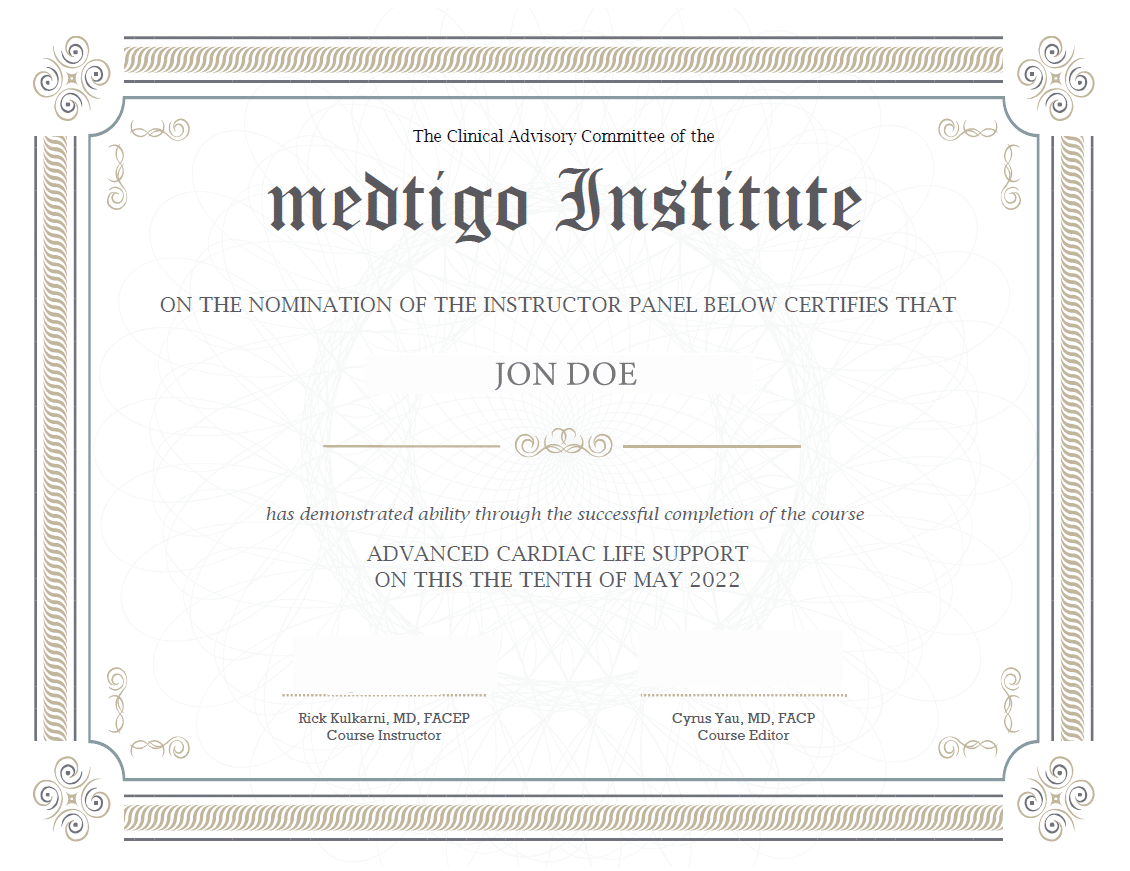
On course completion, you will receive a full-sized presentation quality digital certificate.
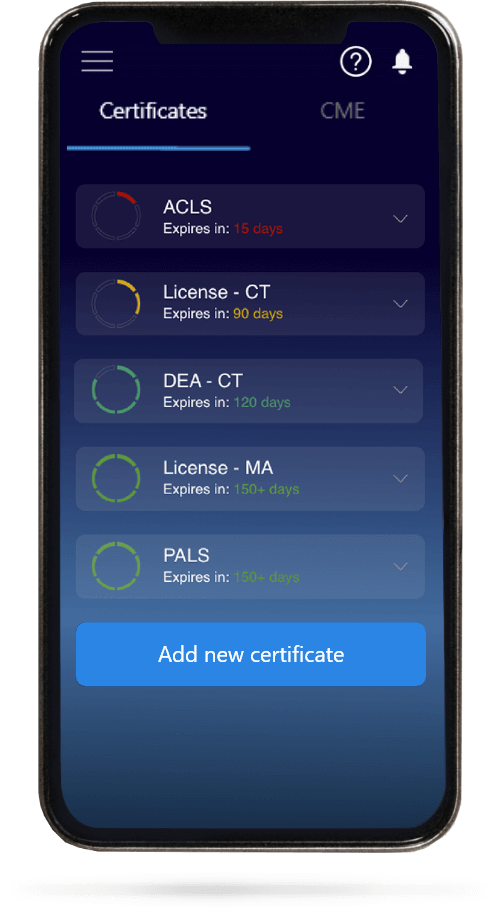
When you have your licenses, certificates and CMEs in one place, it's easier to track your career growth. You can easily share these with hospitals as well, using your medtigo app.