Are Long COVID Programs Worth It? New Data on Health Gains and Spending
April 14, 2026




Brand Name :
Spectrobid, Penglobe
Synonyms :
Class :
Antimicrobials and Antiviral drugs; Sub class: Penicillins



Brand Name :
Spectrobid, Penglobe
Synonyms :
Class :
Antimicrobials and Antiviral drugs; Sub class: Penicillins
Dosage forms and strengths:
Tablet
Adult:
Mild/Moderate/ Severe: A dose of 400-800 mg orally given per day in every 12hrs for about 7-10 days.
Moreover, in the US the drug bacampicillin is no longer used and marketed.
Mild/Moderate/ Severe: A dose of 400-800 mg orally given per day in every 12hrs for about 10-14 days.
Moreover, in the US the drug bacampicillin is no longer used and marketed.
Mild/Moderate: A dose of 1.6 g is given orally with 1 g of probenecid as a single dose.
Moreover, in the US the drug bacampicillin is no longer used and marketed.
Mild/Moderate/ Severe: A dose of 400 mg orally given per day in every 12hrs for about 3-7 days.
Moreover, in the US the drug bacampicillin is no longer used and marketed.
Mild/Moderate/ Severe: A dose of 800 mg is given orally per day and the therapy needs to continue for 7days if any suspected pneumococcal pneumonia is present and if any other organism is present the therapy needs to continue till 21 days.
Moreover, in the US the drug bacampicillin is no longer used and marketed.
Mild/Moderate/ Severe: A dose of 400-800 mg orally given per day in every 12hrs for about 7-10 days and for acute infections the duration of 3 days is recommended.
Moreover, in the US the drug bacampicillin is no longer used and marketed.
If the value is less than 25 mL per min the dose should be reduced to 50% and taken every 12hrs per day.
Upper Respiratory Tract Conditions
Mild/Moderate/ Severe: A dose of 400-800 mg orally given per day in every 12hrs for about 7-10 days
Moreover, in the US the drug bacampicillin is no longer used and marketed
Mild/Moderate/ Severe: A dose of 400-800 mg orally given per day in every 12hrs for about 10-14 days
Moreover, in the US the drug bacampicillin is no longer used and marketed
Mild/Moderate/ Severe: A dose of 400-800 mg orally given per day in every 12hrs for about 10-14 days
Moreover, in the US the drug bacampicillin is no longer used and marketed
Mild/Moderate: A dose of 1.6 g is given orally with 1 g of probenecid as a single dose
Moreover, in the US the drug bacampicillin is no longer used and marketed
Mild/Moderate/ Severe: A dose of 400 mg orally given per day in every 12hrs for about 3-7 days
Moreover, in the US the drug bacampicillin is no longer used and marketed
Mild/Moderate/ Severe: A dose of 800 mg is given orally per day and the therapy needs to continue for 7days if any suspected pneumococcal pneumonia is present and if any other organism is present the therapy needs to continue till 21 days
Moreover, in the US the drug bacampicillin is no longer used and marketed
Mild/Moderate/ Severe: A dose of 400-800 mg orally given per day in every 12hrs for about 7-10 days and for acute infections the duration of 3 days is recommended
Moreover, in the US the drug bacampicillin is no longer used and marketed
Dosage forms and strengths:
Tablet
Pediatric:
For Children 25 kg or above a dose of 25 mg per kg per day is given for every 2 equal divided doses at 12hrs.
Moreover, in the US the drug bacampicillin is no longer used and marketed.
For Children 25 kg or above a dose of 50 mg per kg per day is given for every 2 equal divided doses at 12hrs.
Moreover, in the US the drug bacampicillin is no longer used and marketed.
If the value is less than 25 mL per min the dose should be reduced to 50% and taken every 12hrs per day.
Moreover, in the US the drug bacampicillin is no longer used and marketed.
For Children 25 kg or above a dose of 25 mg per kg per day is given for every 2 equal divided doses at 12hrs
Moreover, in the US the drug bacampicillin is no longer used and marketed
For Children 25 kg or above a dose of 50 mg per kg per day is given for every 2 equal divided doses at 12hrs
Moreover, in the US the drug bacampicillin is no longer used and marketed
may diminish the serum concentration when combined with bacampicillin
When bacampicillin combines with bcg vaccine, the effect of antitumor activity of the bcg vaccine gets reduces.
When bacampicillin combines with cholera vaccine, the effect and action of vaccine decreases.
When bacampicillin combines with methotrexate, it effects the methotrexate and increases the blood levels.
When bacampicillin combines with typhoid vaccine, the effect and action of vaccine decreases.
When bacampicillin combines with aluminum hydroxide, bacampicillin absorption and blood levels decrease by stomach acid reduction.
When bacampicillin combines with anisindione, there may be increased risk of bleeding in liver and hepatic impairment and mostly in elderly patients.
When bacampicillin combines with atenolol, the effect and action of atenolol decreases.
When bacampicillin combines with balsalazide, the effect and action of balsalazide decreases.
When bacampicillin combines with calcium carbonate, bacampicillin absorption and blood levels decreases by stomach acid reduction.
When bacampicillin is combined with cimetidine, bacampicillin absorption and blood levels decrease by stomach acid reduction.
When bacampicillin combines with demeclocycline, the effect and action of bacampicillin decreases.
When bacampicillin is combined with dexlansoprazole, bacampicillin absorption and blood levels decrease by stomach acid reduction.
When bacampicillin combines with dicumarol, there may be increased risk of bleeding in liver and hepatic impairment and mostly in elderly patients.
When bacampicillin is combined with didanosine, bacampicillin absorption and blood levels decrease by stomach acid reduction.
When bacampicillin combines with doxycycline, the effect and action of bacampicillin decreases.
When bacampicillin is combined with entecavir, both absorption and blood levels decrease.
When bacampicillin is combined with esomeprazole, bacampicillin absorption and blood levels decrease by stomach acid reduction.
When bacampicillin combines with estradiol the effect and action of estradiol decreases.
When bacampicillin combines with ethinyl estradiol the effect and action of ethinyl estradiol decreases.
When bacampicillin is combined with famotidine, bacampicillin absorption and blood levels decrease by stomach acid reduction.
When bacampicillin is combined with lansoprazole, bacampicillin absorption and blood levels decrease by stomach acid reduction.
When bacampicillin is combined with magnesium oxide, bacampicillin absorption and blood levels decrease by stomach acid reduction.
When bacampicillin combines with minocycline, the effect and action of bacampicillin decreases.
When bacampicillin combines with mycophenolate mofetil, the effect and action of bacampicillin decreases.
When bacampicillin combines with mycophenolic acid, the effect and action of bacampicillin decreases.
When bacampicillin is combined with nizatidine, bacampicillin absorption and blood levels decrease by stomach acid reduction.
When bacampicillin is combined with rabeprazole, bacampicillin absorption and blood levels decrease by stomach acid reduction.
When bacampicillin is combined with ranitidine, bacampicillin absorption and blood levels decrease by stomach acid reduction.
When bacampicillin combines with tetracycline, the effect and action of bacampicillin decreases.
When bacampicillin combines with warfarin, there may be increased risk of bleeding in liver and hepatic impairment and mostly in elderly patients.
When bacampicillin is used together with capsaicin, this leads to enhanced risk or seriousness of methemoglobinemia
When bacampicillin is used together with clomocycline, this leads to a reduction in therapeutic effectiveness of bacampicillin
probenecid may increase the serum concentration of penicillins
the therapeutic effect of gallamine triethiodide may be increased
the risk of methemoglobinemia may be increased
When bacampicillin combines with allopurinol, there may be chance of increased risk of rash on skin.
When bacampicillin combines with azithromycin, the effect and action of drug decreases by synergism or antagonism.
When bacampicillin combines with clarithromycin, the effect and action of drug decreases by synergism or antagonism.
When bacampicillin combines with clindamycin, there may be a chance of increased risk of diarrhea.
When bacampicillin and probenecid combine the plasma concentrations of bacampicillin increase by inhibition of renal tubular secretion.
When bacampicillin combines with troleandomycin, the effect and action of drug decreases by synergism or antagonism.
Actions and spectrum:
Bacampicillin is broken down in the gut wall. That’s where esterases hydrolyze it. After this change, it works like ampicillin. It kills bacteria, hindering cell wall construction. Bacampicillin prevents susceptible bacterial infections. It does this by blocking synthesis of mucopeptides needed for cell walls. So bacampicillin acts as a bactericidal, broad-spectrum antibiotic.
Adverse drug reactions:
Frequency defined
5%
2% -5%
Frequency not defined
Black Box Warning
No special warnings are available
Contraindication/Caution:
Contraindication:
Hypersensitivity
Disturbances of gastrointestinal tract
Asthma
Kidney disease
Ulcerative colitis
STD’s
Cancer of kidney
Infectious mononucleosis
Pregnancy and Lactation:
Pregnancy:
Pregnancy Categories:
Lactation:
Pharmacology:
Bacampicillin is a special drug in pharmacology. It works by turning into ampicillin inside your body. Ampicillin is a powerful medicine that can fight many different bacteria. Some bacteria are gram-positive, and some are gram-negative. But ampicillin can fight both types effectively. This makes bacampicillin very useful for treating many kinds of bacterial infections.
Pharmacodynamics:
Bacampicillin works like a “starter” for ampicillin. It has no germ-fighting power itself. But our body turns it into ampicillin. Ampicillin is the real bacteria-fighter. This two-step process makes bacampicillin useful. Though weak alone, its conversion lets it battle germs.
Pharmacokinetics:
Absorption:
Upon administration, bacampicillin is quickly absorbed within the gastrointestinal tract. Metabolism:
It then undergoes hydrolysis. This hydrolysis takes place both in the intestinal walls and plasma. The hydrolysis process forms ampicillin.
Excretion:
Bacampicillin’s excretion process eliminates roughly 75% of the administered dose through urine. This elimination happens within an 8-hour timeframe. The excreted form is primarily ampicillin.
Administration:
To be administered as suggested by the doctor
Patient information leaflet
Generic Name: bacampicillin
Why do we use bacampicillin?
Bacampicillin is a medicine used to treat infections caused by bacteria. It works by breaking down into ampicillin in the body. Doctors prescribe bacampicillin for skin and tissue infections. It also helps with urinary tract infections and gonorrhea. Bacampicillin treats breathing infections too. The bacteria must be a type that bacampicillin can stop.
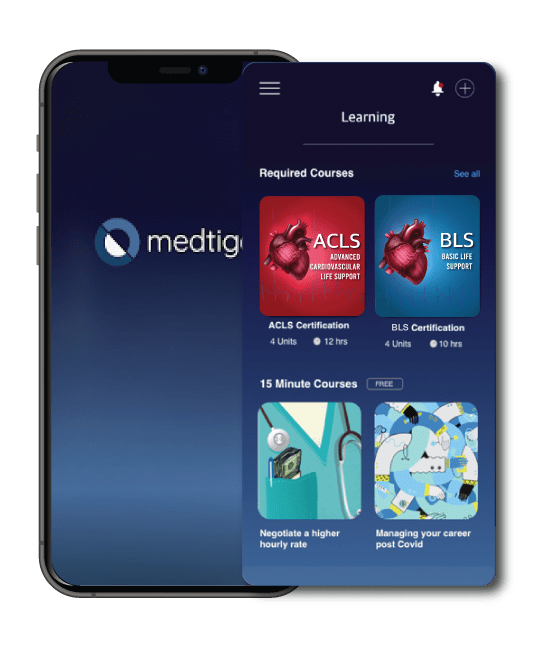
Both our subscription plans include Free CME/CPD AMA PRA Category 1 credits.
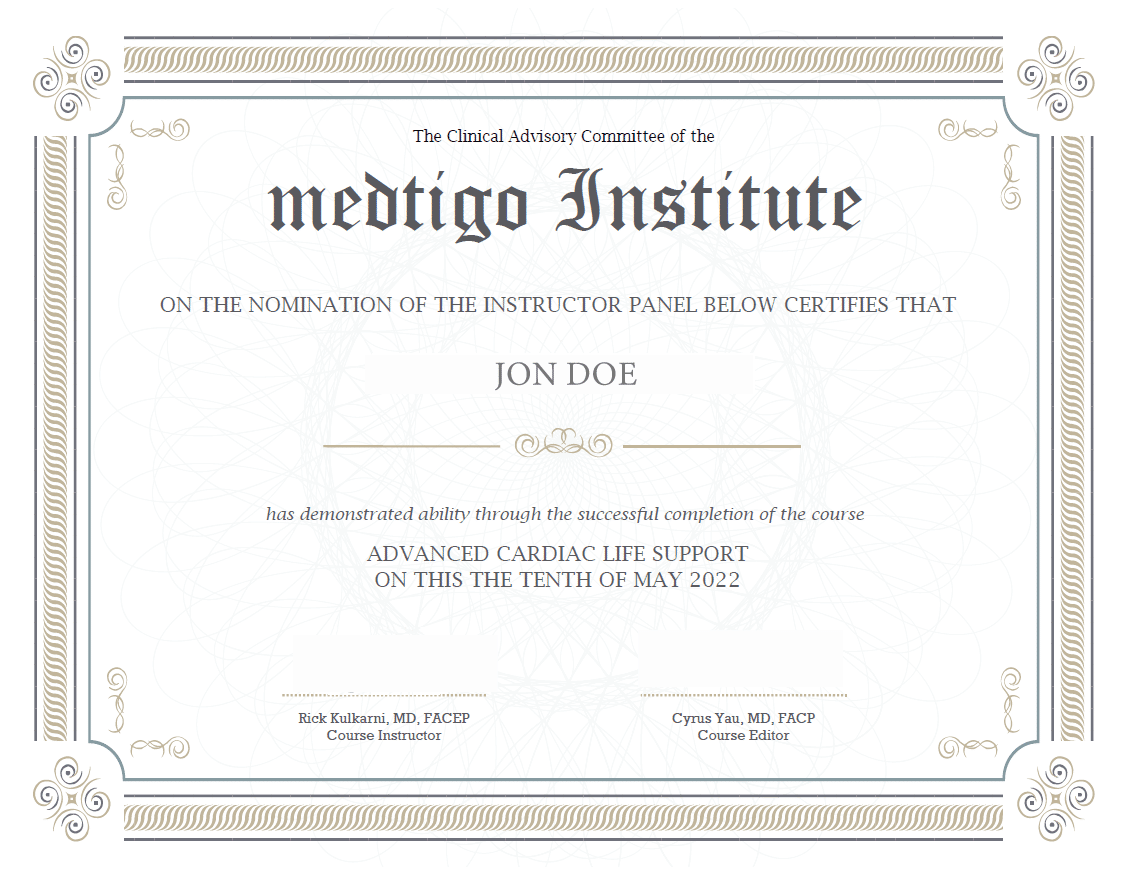
On course completion, you will receive a full-sized presentation quality digital certificate.
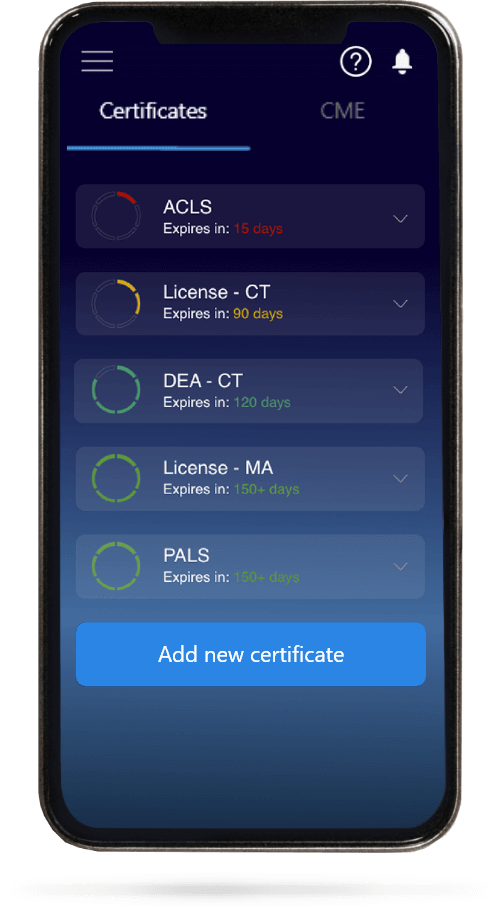
When you have your licenses, certificates and CMEs in one place, it's easier to track your career growth. You can easily share these with hospitals as well, using your medtigo app.