Hidden Risks of Exosome Injections in Pain Management
April 8, 2026




Brand Name :
Spherulin
Synonyms :
coccidioidin skin test
Class :
In vivo diagnostic biologicals



Brand Name :
Spherulin
Synonyms :
coccidioidin skin test
Class :
In vivo diagnostic biologicals
Not determined
Refer to adult dosing
may decrease the diagnostic effect when combined with coccidioides immitis skin test
may decrease the diagnostic effect when combined with coccidioides immitis skin test
may decrease the diagnostic effect when combined with coccidioides immitis skin test
may decrease the diagnostic effect when combined with coccidioides immitis test
may decrease the diagnostic effect when combined with coccidioides immitis test
may decrease the diagnostic effect when combined with coccidioides immitis test
may decrease the diagnostic effect when combined with coccidioides immitis test
may decrease the diagnostic effect when combined with coccidioides immitis test
may decrease the diagnostic effect when combined with coccidioides skin test
may decrease the diagnostic effect when combined with coccidioides skin test
may decrease the diagnostic effect when combined with coccidioides skin test
may decrease the diagnostic effect when combined with coccidioides skin test
may decrease the diagnostic effect when combined with coccidioides skin test
may decrease the diagnostic effect
may decrease the diagnostic effect of immunosuppressants
may decrease the diagnostic effect of immunosuppressants
may decrease the diagnostic effect of immunosuppressants
may decrease the diagnostic effect of immunosuppressants
may decrease the diagnostic effect of immunosuppressants
may decrease the diagnostic effect of Immunosuppressive agents
may decrease the diagnostic effect of immunosuppressants
may decrease the diagnostic effect of Immunosuppressants
may decrease the diagnostic effect of immunosuppressants
may decrease the diagnostic effect of Immunosuppressants
abiraterone acetate and niraparib
may decrease the diagnostic effect of Immunosuppressants
triamcinolone acetonide/nystatin
It may enhance the risk of adverse effects when combined with diagnostic agents
It may enhance the risk of adverse effects when combined with diagnostic agents
methenamine/sodium salicylate/benzoic acid
It may enhance the risk of adverse effects when combined with diagnostic agents
It may enhance the risk of adverse effects when combined with diagnostic agents
It may enhance the risk of adverse effects when combined with diagnostic agents
when both drugs are combined, there may be a reduced response to the skin test
when both drugs are combined, there may be a reduced response to the skin test
it may diminish the excretion rate when combined with corifollitropin alfa resulting in an enhanced serum level
spironolactone and hydrochlorothiazide
it may enhance the risk of nephrotoxicity when combined with Diuretics
it may enhance the risk of nephrotoxicity when combined with Diuretics
it may enhance the risk of nephrotoxicity when combined with Diuretics
it may enhance the risk of nephrotoxicity when combined with Diuretics
it may enhance the risk of nephrotoxicity when combined with Diuretics
It may enhance the risk of nephrotoxicity when combined with Dopamine agonists
It may enhance the risk of nephrotoxicity when combined with Dopamine agonists
It may enhance the risk of nephrotoxicity when combined with Dopamine agonists
It may enhance the risk of nephrotoxicity when combined with Dopamine agonists
It may enhance the risk of nephrotoxicity when combined with Dopamine agonists
Actions and Spectrum
Coccidioidin skin test, also known as the coccidioidomycosis skin test is a diagnostic test used to assess exposure to the fungus coccidioides.
The coccidioidin skin test involves the injection of an antigen called coccidioidin or spherulin into the skin.
Frequency not defined
None
Black Box Warning
None
Contraindication/Caution:
Contraindication:
Caution:
Pregnancy consideration:
Pregnancy category: N/A
Lactation: Excretion into human milk is unknown
Pregnancy Categories:
Category A: well-controlled and Satisfactory studies show no risk to the fetus in the first or later trimester.
Category B: there was no evidence of risk to the fetus in animal studies, and there were not enough studies on pregnant women.
Category C: there was evidence of risk of adverse effects in animal reproduction studies, and no adequate evidence in human studies must take care of potential risks in pregnant women.
Category D: adequate data with sufficient evidence of human fetal risk from various platforms, but despite the potential risk, and used only in emergency cases for potential benefits.
Category X: Drugs listed in this category outweigh the risks over benefits. Hence these categories of drugs need to be avoided by pregnant women.
Category N: There is no data available for the drug under this category.
Pharmacology
The injection of coccidioidin into the skin initiates an immune response. In individuals with exposure to coccidioides, their immune system recognizes the foreign antigen.
Pharmacodynamics
Coccidioidin skin test primarily assesses cell-mediated immunity. It is a delayed-type hypersensitivity (DTH) reaction.
Pharmacokinetics
Limited information available on ADME.
Administration
Coccidioidin skin test is administered through intradermal injection.
Patient information leaflet
Generic Name: coccidioidin skin test
Why do we use coccidioidin skin test?
The use of the coccidioidin skin test is to detect previous exposure to Coccidioides.
It is the fungus responsible for causing coccidioidomycosis.

Both our subscription plans include Free CME/CPD AMA PRA Category 1 credits.

On course completion, you will receive a full-sized presentation quality digital certificate.
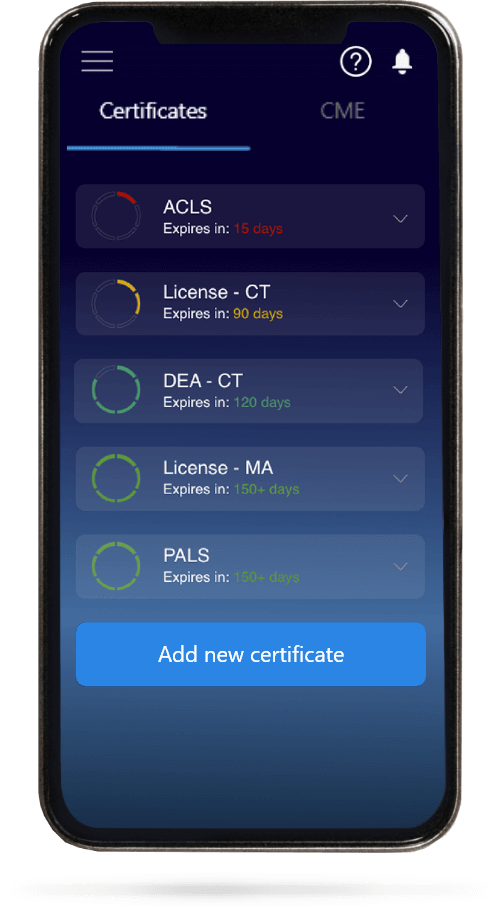
When you have your licenses, certificates and CMEs in one place, it's easier to track your career growth. You can easily share these with hospitals as well, using your medtigo app.