Rising Adoption of Continuous Glucose Monitors in Medicare Advantage: Trends from 2021–2023
April 13, 2026




Brand Name :
Tagrisso
(United States) [Available]Synonyms :
osimertinib
Class :
Antineoplastic agent and Tyrosinase Kinase Inhibitor/EFGR inhibitor



Brand Name :
Tagrisso
(United States) [Available]Synonyms :
osimertinib
Class :
Antineoplastic agent and Tyrosinase Kinase Inhibitor/EFGR inhibitor
Dosage forms & Strengths:
Tablet
40mg
80mg
Adjuvant therapy
80 mg tablet orally once daily
Continue for up to three years, or until disease recurrence or unacceptable toxicity
Note:
Adjuvant treatment recommended after tumour resection for non-small cell lung cancer with EGFR exon 19 del mutation or 21 L858R mutation
First-line treatment for metastatic NSCLC
80 mg tablet orally once daily; until disease recurrence or unacceptable toxicity occurs
Note:
First-line therapy recommended for patients with metastatic NSCLC who have EGFR exon 19 del mutation or 21 L858R mutation
Previously treated metastatic NSCLC
80 mg tablet orally once daily; until disease recurrence or unacceptable toxicity occurs
Note:
Referred to as a treatment for metastatic NSCLC with the EGFR T790M mutation that has progressed during or after EGFR TKI treatment
The safety and efficacy of osimertinib are not found for pediatric dosing
There are no significant differences in the dosing pattern between adults and geriatrics
Adverse reactions are seen in the geriatric patients
it increases the effect or level of osimertinib by altering the intestinal or hepatic CYP3A4 enzyme metabolism
osimertinib: they may increase the QTc-prolonging effect of QTc-prolonging Agents
osimertinib: they may increase the QTc-prolonging effect of QTc-prolonging Agents
osimertinib: they may increase the QTc-prolonging effect of QTc-prolonging Agents
osimertinib: they may increase the QTc-prolonging effect of QTc-prolonging Agents
osimertinib: they may increase the QTc-prolonging effect of QTc-prolonging Agents
myelosuppressive agents reduce the effect of the BCG vaccine
QT-prolonging agents increase the QTc prolonging effect of domperidone
P-glycoprotein inhibitors or ABCB1 inhibitors increase the concentration of doxorubicin in serum
when both drugs are combined, there may be an increased level of serum concentration of alpelisib
when both drugs are combined, there may be an increased risk or severity of QTC prolongation
CYP3A strong enhancers of the small intestine may reduce the bioavailability of osimertinib
when used together, entrectinib and osimertinib both increase the QTc interval
when used together, encorafenib and osimertinib both increase the QTc interval
osimertinib and gilteritinib, when used in combination, increase the QTc interval
osimertinib and albuterol, when used simultaneously, increase the QTc interval
osimertinib and bedaquiline, when used simultaneously, increase the QTc interval
osimertinib and chloroquine, when used simultaneously, increase the QTc interval
osimertinib and dasatinib, when used simultaneously, increase the QTc interval
osimertinib and fluconazole, when used simultaneously, increase the QTc interval
osimertinib and goserelin, when used simultaneously, increase the QTc interval
osimertinib and indapamide, when used simultaneously, increase the QTc interval
osimertinib and lapatinib, when used simultaneously, increase the QTc interval
osimertinib and nilotinib, when used simultaneously, increase the QTc interval
osimertinib and ozanimod, when used simultaneously, increase the QTc interval
osimertinib and saquinavir, when used simultaneously, increase the QTc interval
osimertinib and sotalol, when used simultaneously, increase the QTc interval
osimertinib and trimipramine, when used simultaneously, increase the QTc interval
osimertinib: they may diminish the serum concentration of CYP3A4 Inducers
osimertinib: they may diminish the serum concentration of CYP3A4 Inducers
osimertinib: they may diminish the serum concentration of CYP3A4 Inducers
osimertinib: they may diminish the serum concentration of CYP3A4 Inducers
osimertinib: they may diminish the serum concentration of CYP3A4 Inducers
It may enhance the effect when combined with tafamidis meglumine
increases the effects of daunorubicin by inhibiting BCRP transport
the effect of osimertinib is decreased by lorlatinib, by altering intestinal or hepatic CYP3A4 enzyme metabolism
increases the effects of idarubicin by inhibiting BCRP transport
it increases the effect or level of osimertinib by altering the intestinal or hepatic CYP3A4 enzyme metabolism
it increases the effect or level of osimertinib by altering the intestinal or hepatic CYP3A4 enzyme metabolism
it increases the effect or level of osimertinib by altering the intestinal or hepatic CYP3A4 enzyme metabolism
Actions and Spectrum:
Actions:
Spectrum:
Frequency defined:
>10%
Lymphopenia
Thrombocytopenia
Anemia
Diarrhea
Rash
Neutropenia
Hypermagnesemia
Hyponatremia
Dry skin
Nail toxicity
Fatigue
Hypoglycemia
Eye disorders
Decreased appetite
Cough
Nausea
Stomatitis
Pruritus
Vomiting
1-10%
Back pain
Headache
Hypokalemia
Lymphopenia
Venous thromboembolism
Pneumonia
Interstitial lung disease/pneumonitis
QTc increased from baseline
Neutropenia
Hyponatremia
Hypomagnesemia
Hypokalemia
Fatigue
Cardiomyopathy
Diarrhea
Decreased appetite
<1%
Nausea
Vomiting
Rash
Keratitis
Thrombocytopenia
Back pain
Contraindication/Caution:
Contraindications:
Caution:
Pregnancy consideration: The drug is toxic and unsafe for pregnant women and the developing fetus. It may cause fetal death or lower birth weight.
Breastfeeding warnings: No data on the excretion of osimertinib in breast milk is available. Due to the possibility of serious adverse effects, women are advised to breastfeed two weeks after the last dose of osimertinib.
Pregnancy category:
Pharmacology:
osimertinib is a small molecule tyrosine kinase inhibitor that specifically targets epidermal growth factor receptor (EGFR) and is used to treat non-small cell lung cancer (NSCLC) with the T790M mutation.
Pharmacodynamics:
Pharmacokinetics:
Absorption
Peak plasma concentration is achieved in 6 hours
Distribution
The protein bound is 95%
The volume of distribution is at steady-state is 918 L
Metabolism
The drug is metabolized predominantly by CYP3A and in vitro dealkylation
Elimination and Excretion
The half-life is 48 hours
The rate of clearance is 14.3 L/hr
The drug is excreted 68% (in feces), 14% (in urine) and ~2% (as an unchanged drug)
Administration:
Patient information leaflet
Generic Name: osimertinib (Rx)
Pronounced: OH-sim-ER-ti-nib
Why do we use osimertinib?
osimertinib is an anti-cancer agent of the EGFR (Epidermal Growth Factor Receptor) inhibitor class. It is used to treat a type of lung cancer called non-small cell lung cancer (NSCLC) with a specific mutation in the epidermal growth factor receptor (EGFR) gene known as the T790M mutation.
This mutation occurs in about half of the patients who develop resistance to initial EGFR tyrosine kinase inhibitor therapy.is used for the treatment of non-small cell lung cancer.

Both our subscription plans include Free CME/CPD AMA PRA Category 1 credits.
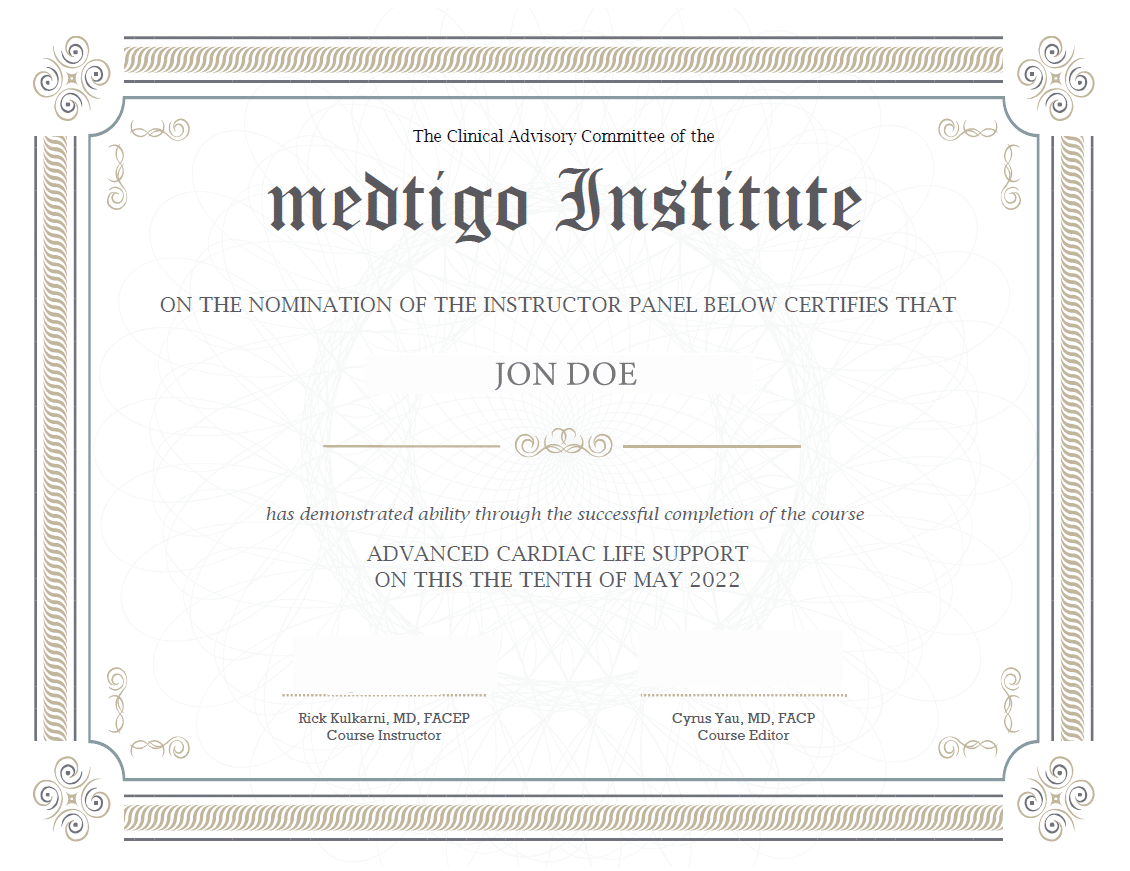
On course completion, you will receive a full-sized presentation quality digital certificate.
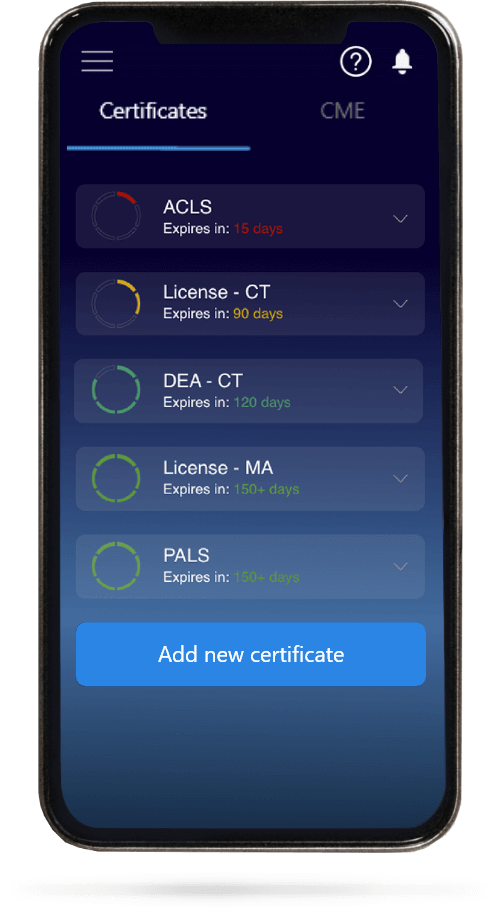
When you have your licenses, certificates and CMEs in one place, it's easier to track your career growth. You can easily share these with hospitals as well, using your medtigo app.