Codes Over Cuts: How Acute Care Surgeons Are Rewriting the Rules of Reimbursement
April 15, 2026




Brand Name :
Lorabid
Synonyms :
loracarbef
Class :
Anti-bacterial agent Anti-infective agent





Brand Name :
Lorabid
Synonyms :
loracarbef
Class :
Anti-bacterial agent Anti-infective agent
Dosage forms and strengths
Oral capsule
400 mg
200 mg
Oral powder for reconstitution
200 mg/5 mL
100 mg/5 mL
Indicated for acute bronchitis (Secondary bacterial infection) For one week, take 200-400 mg two times a day by oral route
For one week, take 400 mg two times a day by oral route
Uncomplicated- Take 200 mg every day for one week by oral route
Mild-moderate- Take 400 mg two times a day for two weeks by oral route
Uncomplicated- Take 400 mg two times a day for two weeks by oral route
Uncomplicated-Take 200 mg two times a day of one week by oral route
Take 200 mg two times a day for ten days by oral route
Upper Respiratory Tract Conditions
Mild-moderate
Depending on the type and infection severity, take 200-400 mg two times a day for around 7-10 days by oral route
Dosage forms and strengths
Oral capsule
400 mg
200 mg
Oral powder for reconstitution
200 mg/5 mL
100 mg/5 mL
Age six months-12 years-
Administer the suspension at a dosage of 15 mg/kg by oral route two times a day for ten days, with a maximum daily limit of 800 mg
Age six months-12 years: Administer 7.5 mg/kg two times a day for seven days by oral route with a maximum daily dose not exceeding 400 mg
13 years/more- Take 200 mg two times a day for seven days duration by oral route
Age six months-12 years: Administer 7.5 mg/kg two times a day for seven days by oral route with a maximum daily dose not exceeding 400 mg
13 years/more- Take 200 mg two times a day for seven days duration by oral route
Age six months-12 years- Administer 7.5 mg/kg two times a day for ten days by oral route with a maximum daily dose not exceeding 400 mg
Age 13 years/more- Take 200 mg two times a day for ten days by oral route
Refer adult dosing
may increase the nephrotoxic effect of cephalosporins
neomycin/polymyxin B/bacitracin topical
may increase the nephrotoxic effect of cephalosporins
may increase the nephrotoxic effect of cephalosporins
may increase the nephrotoxic effect of cephalosporins
may increase the nephrotoxic effect of cephalosporins
may enhance the nephrotoxic effect of aminoglycosides
may enhance the nephrotoxic effect of aminoglycosides
may enhance the nephrotoxic effect of aminoglycosides
may enhance the nephrotoxic effect of aminoglycosides
may enhance the nephrotoxic effect of aminoglycosides
may increase the anticoagulant effect
may increase the anticoagulant effect
may increase the anticoagulant effect
may increase the anticoagulant effect
may increase the anticoagulant effect
It may enhance the risk of adverse effects when combined with Barbiturates
It may enhance the risk of adverse effects when combined with Barbiturates
It may enhance the risk of adverse effects when combined with Barbiturates
It may enhance the risk of adverse effects when combined with Barbiturates
It may enhance the risk of adverse effects when combined with Barbiturates
loracarbef leads to a reduction in the rate of excretion of nitric oxide, which leads to an increased level of serum
When loracarbef is used together with acelofenac, the risk or seriousness of nephrotoxicity is enhanced
When loracarbef is used together with atazanavir, the risk or seriousness of nephrotoxicity is enhanced
When loracarbef is used together with bacitracin, the risk or seriousness of nephrotoxicity is enhanced
When loracarbef is used together with benoxaprofen, the risk or seriousness of nephrotoxicity is enhanced
When loracarbef is used together with benzydamine, the risk or seriousness of nephrotoxicity is enhanced
When loracarbef is used together with bumetanide, the risk or seriousness of nephrotoxicity is enhanced
When loracarbef is used together with carboplatin, the risk or seriousness of nephrotoxicity is enhanced
When loracarbef is used together with cefadroxil, the risk or seriousness of nephrotoxicity is enhanced
When loracarbef is used together with cefalotin, the risk or seriousness of nephrotoxicity is enhanced
When loracarbef is used together with cefapirin, the risk or seriousness of nephrotoxicity is enhanced
When loracarbef is used together with cefazolin, the risk or seriousness of nephrotoxicity is enhanced
When loracarbef is used together with cefepime, the risk or seriousness of nephrotoxicity is enhanced
When loracarbef is used together with cefotaxime, the risk or seriousness of nephrotoxicity is enhanced
When loracarbef is used together with cefpodoxime, the risk or seriousness of nephrotoxicity is enhanced
When loracarbef is used together with cefprozil, the risk or seriousness of nephrotoxicity is enhanced
When loracarbef is used together with ceftazidime, the risk or seriousness of nephrotoxicity is enhanced
When loracarbef is used together with ceftriaxone, the risk or seriousness of nephrotoxicity is enhanced
When loracarbef is used together with celecoxib, the risk or seriousness of nephrotoxicity is enhanced
When loracarbef is used together with cyclosporine, the risk or seriousness of nephrotoxicity is enhanced
When loracarbef is used together with diclofenac, the risk or seriousness of nephrotoxicity is enhanced
When loracarbef is used together with etodolac, the risk or seriousness of nephrotoxicity is enhanced
When loracarbef is used together with etoricoxib, the risk or seriousness of nephrotoxicity is enhanced
When loracarbef is used together with fenbufen, the risk or seriousness of nephrotoxicity is enhanced
When loracarbef is used together with fenoprofen, the risk or seriousness of nephrotoxicity is enhanced
When loracarbef is used together with ibuprofen, the risk or seriousness of nephrotoxicity is enhanced
When loracarbef is used together with lopinavir, the risk or seriousness of nephrotoxicity is enhanced
When loracarbef is used together with lornoxicam, the risk or seriousness of nephrotoxicity is enhanced
When loracarbef is used together with mannitol, the risk or seriousness of nephrotoxicity is enhanced
When loracarbef is used together with meclofenamic acid, the risk or seriousness of nephrotoxicity is enhanced
When loracarbef is used together with mefenamic acid, the risk or seriousness of nephrotoxicity is enhanced
When loracarbef is used together with mesalazine, the risk or seriousness of nephrotoxicity is enhanced
When loracarbef is used together with metamizole, the risk or seriousness of nephrotoxicity is enhanced
When loracarbef is used together with methotrexate, the risk or seriousness of nephrotoxicity is enhanced
When loracarbef is used together with naproxen, the risk or seriousness of nephrotoxicity is enhanced
When loracarbef is used together with nimesulide, the risk or seriousness of nephrotoxicity is enhanced
When loracarbef is used together with oxaliplatin, the risk or seriousness of nephrotoxicity is enhanced
When loracarbef is used together with parecoxib, the risk or seriousness of nephrotoxicity is enhanced
When loracarbef is used together with piroxicam, the risk or seriousness of nephrotoxicity is enhanced
When loracarbef is used together with rofecoxib, the risk or seriousness of nephrotoxicity is enhanced
When loracarbef is used together with salicylic acid, the risk or seriousness of nephrotoxicity is enhanced
When loracarbef is used together with sulfasalazine, the risk or seriousness of nephrotoxicity is enhanced
When loracarbef is used together with tacrolimus, the risk or seriousness of nephrotoxicity is enhanced
When loracarbef is used together with valdecoxib, the risk or seriousness of nephrotoxicity is enhanced
When loracarbef is used together with acemetacin, the risk or seriousness of nephrotoxicity is enhanced
When loracarbef is used together with acetylsalicylic acid, the risk or seriousness of nephrotoxicity is enhanced
When loracarbef is used together with alclofenac, the risk or seriousness of nephrotoxicity is enhanced
When loracarbef is used together with aminophenazone, the risk or seriousness of nephrotoxicity is enhanced
When loracarbef is used together with amphotericin B, the risk or seriousness of nephrotoxicity is enhanced
When loracarbef is used together with antipyrine, the risk or seriousness of nephrotoxicity is enhanced
When loracarbef is used together with antrafenine, the risk or seriousness of nephrotoxicity is enhanced
may increase the anticoagulant effect of cephalosporins
may increase the anticoagulant effect of cephalosporins
may increase the anticoagulant effect of cephalosporins
may increase the anticoagulant effect of cephalosporins
may increase the anticoagulant effect of cephalosporins
Actions and Spectrum:
Action:
Bactericidal: loracarbef is a bactericidal antibiotic, which means it kills bacteria rather than just inhibiting their growth. It achieves this by interfering with the synthesis of the bacterial cell wall.
Cell Wall Inhibition: loracarbef inhibits bacterial cell wall formation like other cephalosporin antibiotics. It does this by binding to enzymes called penicillin-binding proteins (PBPs) involved in cross-linking peptidoglycan, a vital component of the bacterial cell wall. This interference weakens the cell wall, causing it to rupture and ultimately leading to bacterial cell death.
Spectrum
Gram-Positive Bacteria: loracarbef is effective against many gram-positive bacteria, including Streptococcus pneumoniae, Streptococcus pyogenes (Group A Streptococcus), and Staphylococcus aureus (although it may not work against methicillin-resistant Staphylococcus aureus, or MRSA).
Gram-Negative Bacteria: loracarbef is active against some gram-negative bacteria, such as Haemophilus influenzae, Escherichia coli, Klebsiella pneumoniae, and Moraxella catarrhalis.
Nausea
Itching
Vaginitis
Abnormal liver tests
Skin rash
Vomiting
Abdominal pain
Black Box Warning:
None
Contraindication/Caution:
Allergy: Do not take loracarbef if you have a known allergy to loracarbef or any other cephalosporin antibiotics.
Previous Allergic Reactions: If you’ve had a severe allergic reaction to any cephalosporin antibiotic in the past, avoid loracarbef, as there may be a higher risk of cross-reactivity.
Penicillin Allergy: Individuals with a known allergy to penicillin should use loracarbef cautiously, as there may be a higher risk of cross-reactivity between penicillins and cephalosporins. Consult with your healthcare provider if you have concerns about this.
Gastrointestinal Issues: Inform your healthcare provider if you have a history of gastrointestinal problems, particularly colitis, as loracarbef may exacerbate certain gastrointestinal conditions.
Pregnancy and Breastfeeding: The safety of loracarbef during pregnancy and breastfeeding is not well-established. Please consult your healthcare provider to explore the possible advantages and disadvantages of this medication if you are pregnant or nursing.
Pediatric Use: The safety and efficacy of loracarbef in infants under 6 months of age have not been established. Consult with a pediatrician before administering this medication to young children.
Pregnancy warnings:
Pregnancy category: B
Lactation: Excreted into human milk is unknown
Pregnancy Categories:
Category A: Studies that were well-controlled and met expectations revealed no risk to the fetus in either the first or second trimester.
Category B: There were a lack of studies on pregnant women and no evidence of risk to the fetus in animal experiments.
Category C: there was evidence of risk of adverse effects in animal reproduction studies, and no adequate evidence in human studies must take care of potential risks in pregnant women.
Category D: adequate data with sufficient evidence of human fetal risk from various platforms, but despite the potential risk, and used only in emergency cases for potential benefits.
Category X: Drugs listed in this category outweigh the risks over benefits. Hence these categories of drugs need to be avoided by pregnant women.
Category N: There is no data available for the drug under this category
Pharmacology:
loracarbef is an antibiotic medication used to treat various bacterial infections. It belongs to the class of drugs known as cephalosporins, a type of beta-lactam antibiotics.
Pharmacodynamics:
loracarbef works by disrupting the synthesis of bacterial cell walls. It targets and attaches to penicillin-binding proteins (PBPs) within the bacterial cell wall. These PBPs are crucial enzymes involved in the final steps of peptidoglycan synthesis. The interaction between loracarbef and PBPs interferes with the proper formation of the cell wall, weakening the bacterial cell. Ultimately, this disruption leads to cell lysis and the bacterium’s death.
Pharmacokinetics:
Absorption
loracarbef is well-absorbed after oral administration. It can be taken with or without food.
Distribution
It has a relatively wide distribution in body tissues and fluids, including the lungs, skin, and urinary tract.
Metabolism
loracarbef is minimally metabolized in the liver.
Excretion and Elimination
Mostly loracarbef is excreted unchanged in the urine, making it an essential drug for urinary tract infections.
Administration:
loracarbef is usually taken orally with a full glass of water.
Follow the specific timing instructions given by your doctor.
Patient information leaflet
Generic Name: loracarbef
Why do we use loracarbef?
Respiratory Tract Infections: The respiratory tract illnesses bronchitis, pneumonia, and sinusitis can all be treated with loracarbef. It is effective against the bacteria responsible for these infections.
Ear Infections: It is also used to treat ear infections, particularly otitis media (middle ear infection), in children and adults.
Skin and Soft Tissue Infections: loracarbef can be prescribed for skin and soft tissue infections, including cellulitis and impetigo, when the causative organisms are susceptible to this antibiotic.
Throat Infections: loracarbef can treat streptococcal throat infections, including strep throat.

Both our subscription plans include Free CME/CPD AMA PRA Category 1 credits.

On course completion, you will receive a full-sized presentation quality digital certificate.
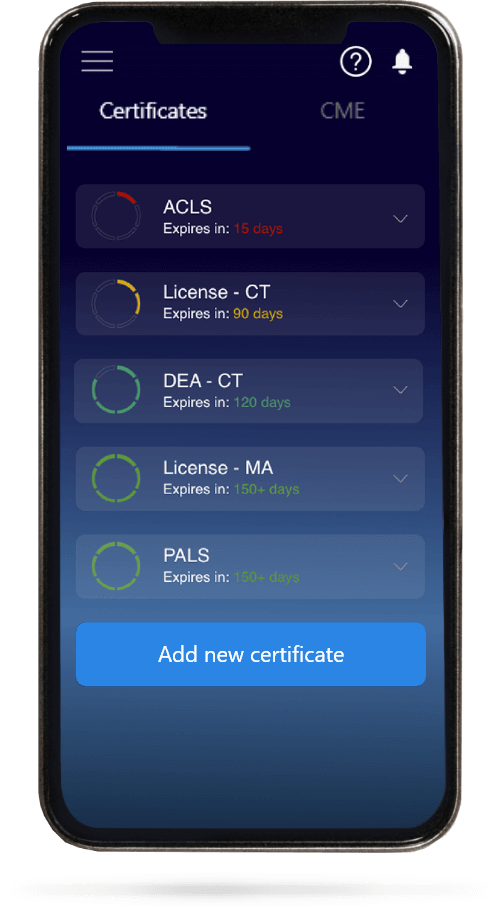
When you have your licenses, certificates and CMEs in one place, it's easier to track your career growth. You can easily share these with hospitals as well, using your medtigo app.