Hidden Risks of Exosome Injections in Pain Management
April 8, 2026




Brand Name :
Metahydrin, Naqua, Diurese, Aquacot
Synonyms :
trichlormethiazide
Class :
Thiazides, Diuretics



Brand Name :
Metahydrin, Naqua, Diurese, Aquacot
Synonyms :
trichlormethiazide
Class :
Thiazides, Diuretics
Dosage Forms & Strengths
Tablet
2 mg
4 mg
Take a dose of 2 to 4 mg orally daily in 1 to 2 divided doses
Take a dose of 1 to 4 mg orally daily
Tablet
2 mg
4 mg
For >6 months old:
Take a dose of 70 mcg/kg orally daily in 1 or 2 divided doses
Refer to adult dosing
may increase the hypotensive effect of arsenic trioxide
may diminish the absorption of thiazide diuretics
may diminish the excretion of thiazide diuretics
may increase the adverse effect of thiazide diuretics
lithium: they may diminish the excretion when combined with thiazide
dofetilide: they may increase the QTc-prolonging effect when combined with thiazide
may increase the hypokalemic effect of thiazide diuretics
may increase the hypokalemic effect of thiazide diuretics
may increase the hypokalemic effect of thiazide diuretics
may diminish the rate of excretion when combined
may diminish the rate of excretion when combined
may diminish the rate of excretion when combined
may diminish the rate of excretion when combined
may diminish the rate of excretion when combined
may increase the QTc-prolonging effect of thiazide diuretics
opioid agonists increase the toxicity of diuretics
opioid agonists increase the toxicity of diuretics
may diminish the therapeutic effect of antidiabetic Agents
may diminish the therapeutic effect of antidiabetic Agents
may diminish the therapeutic effect of antidiabetic Agents
may diminish the therapeutic effect of antidiabetic Agents
may diminish the therapeutic effect of antidiabetic Agents
corticosteroids may enhance the hypokalemic effect of Thiazide and thiazide-Like diuretics
corticosteroids may enhance the hypokalemic effect of Thiazide and thiazide-Like diuretics
corticosteroids may enhance the hypokalemic effect of Thiazide and thiazide-Like diuretics
corticosteroids may enhance the hypokalemic effect of Thiazide and thiazide-Like diuretics
corticosteroids may enhance the hypokalemic effect of Thiazide and thiazide-Like diuretics
thiazides reduce the systemic absorption of calcium salts
thiazides reduce the systemic absorption of calcium salts
thiazides reduce the systemic absorption of calcium salts
thiazides reduce the systemic absorption of calcium salts
thiazides reduce the systemic absorption of calcium salts
may increase the serum concentration
may increase the serum concentration
may increase the serum concentration
may increase the serum concentration
may increase the serum concentration
may decrease the therapeutic effect
may decrease the therapeutic effect
may decrease the therapeutic effect
may decrease the therapeutic effect
may decrease the therapeutic effect
they decrease the efficacy of antidiabetic agents
they decrease the efficacy of antidiabetic agents
they decrease the efficacy of antidiabetic agents
they increase the effect of neuromuscular blockage of neuromuscular-blocking agents
they increase the effect of neuromuscular blockage of neuromuscular-blocking agents
they increase the effect of neuromuscular blockage of neuromuscular-blocking agents
they increase the effect of neuromuscular blockage of neuromuscular-blocking agents
they increase the effect of neuromuscular blockage of neuromuscular-blocking agents
may diminish the therapeutic effect of antidiabetic agents
may diminish the therapeutic effect of antidiabetic agents
may diminish the therapeutic effect of antidiabetic agents
may enhance the adverse/toxic effect of cardiac glycosides
may enhance the adverse/toxic effect of cardiac glycosides
may enhance the adverse/toxic effect of cardiac glycosides
may enhance the neuromuscular-blocking effect of Neuromuscular-Blocking Agents
may enhance the neuromuscular-blocking effect of Neuromuscular-Blocking Agents
may enhance the neuromuscular-blocking effect of Neuromuscular-Blocking Agents
may enhance the neuromuscular-blocking effect of Neuromuscular-Blocking Agents
may enhance the neuromuscular-blocking effect of Neuromuscular-Blocking Agents
may enhance the serum concentration of anticholinergic agents
may enhance the serum concentration of anticholinergic agents
may enhance the serum concentration of anticholinergic agents
may enhance the serum concentration of anticholinergic agents
may enhance the serum concentration of anticholinergic agents
may have an increased hypercalcemic effect when combined with vitamin D analogs
may reduce the therapeutic effect
It may diminish the therapeutic efficacy when combined with pegloticase
thiazides: they may decrease the therapeutic effect when combined with antidiabetic drugs
thiazide: they may enhance the serum concentration when combined with calcium salts
thiazide: they may enhance the serum concentration when combined with calcium salts
thiazide: they may enhance the serum concentration when combined with calcium salts
thiazide: they may enhance the serum concentration when combined with calcium salts
thiazide: they may enhance the serum concentration when combined with calcium salts
hypokalemic effects of thiazide-like derivatives can be increased with beta2 agonists
hypokalemic effects of thiazide-like derivatives can be increased with beta2 agonists
hypokalemic effects of thiazide-like derivatives can be increased with beta2 agonists
hypokalemic effects of thiazide-like derivatives can be increased with beta2 agonists
hypokalemic effects of thiazide-like derivatives can be increased with beta2 agonists
Diacerein may increase the therapeutic effect of Diuretics
Thiazides may increase the hypokalemic effect of Dichlorphenamide
may increase the toxic effects of diuretics
may increase the hypercalcaemic effect
may increase the toxic effects
may enhance the hypotensive effect of ACE Inhibitors
may enhance the hypotensive effect of ACE Inhibitors
may enhance the hypotensive effect of ACE Inhibitors
may enhance the hypotensive effect of ACE Inhibitors
may enhance the hypotensive effect of ACE Inhibitors
may increase the serum concentration of thiazide and thiazide-Like diuretics
may increase the serum concentration of thiazide and thiazide-Like diuretics
may increase the serum concentration of thiazide and thiazide-Like diuretics
may increase the serum concentration of thiazide and thiazide-Like diuretics
may increase the serum concentration of thiazide and thiazide-Like diuretics
may increase the orthostatic hypotensive effect of thiazide diuretics
may increase the allergic or hypersensitivity reactions to thiazide diuretics
calcium, magnesium, potassium and sodium oxybate
may diminish the calcium salts excretion
may increase the hypokalemic effect of thiazide diuretics
may increase the hypokalemic effect of thiazide diuretics
may increase the hypokalemic effect of thiazide diuretics
may increase the hypokalemic effect of thiazide diuretics
may increase the hypokalemic effect of thiazide diuretics
may increase the hypercalcemic effect
may increase the hypokalemic effect of beta2 agonists
may increase the hypokalemic effect of beta2 agonists
may increase the serum concentration of anticholinergic agents
may decrease the therapeutic effect of Antidiabetic Agents
may increase the serum concentration of Anticholinergic Agents
may increase the serum concentration of Anticholinergic Agents
may enhance the serum concentration of Anticholinergic Agents
may have an increased hypercalcemic effect when combined with Vitamin D and its analogs
diazoxide may enhance the adverse/toxic effect of thiazides
may increase the hypercalcemic effect when combined
Beta2-Agonists: they mayincrease the hypokalemic effect when combined with thiazides
Beta2-Agonists: they mayincrease the hypokalemic effect when combined with thiazides
Beta2-Agonists: they mayincrease the hypokalemic effect when combined with thiazides
Beta2-Agonists: they mayincrease the hypokalemic effect when combined with thiazides
Beta2-Agonists: they mayincrease the hypokalemic effect when combined with thiazides
corticosteroids: they may increase the hypokalemic effect when combined with thiazides
corticosteroids: they may increase the hypokalemic effect when combined with thiazides
corticosteroids: they may increase the hypokalemic effect when combined with thiazides
corticosteroids: they may increase the hypokalemic effect when combined with thiazides
corticosteroids: they may increase the hypokalemic effect when combined with thiazides
cyclophosphamide: they may increase the toxic effect when combined with thiazides
dichlorphenamide: they may increase the hypokalemic effect when combined with thiazides
licorice: they may increase the hypokalemic effect when combined with thiazides
ivabradine: they may increase the arrhythmogenic effect when combined with thiazides
methenamine: they may decrease the therapeutic effect when combined with thiazides
nonsteroidal anti-inflammatory agents: they may decrease the therapeutic effect when combined with thiazides
nonsteroidal anti-inflammatory agents: they may decrease the therapeutic effect when combined with thiazides
nonsteroidal anti-inflammatory agents: they may decrease the therapeutic effect when combined with thiazides
nonsteroidal anti-inflammatory agents: they may decrease the therapeutic effect when combined with thiazides
nonsteroidal anti-inflammatory agents: they may decrease the therapeutic effect when combined with thiazides
reboxetine: they may increase the hypokalemic effect when combined with thiazides
toremifene: they may increase the hypercalcemic effect when combined with thiazides
may increase the hypokalemic effect of Beta2-Agonists
may enhance the serum concentration of Anticholinergic Agents
may increase the hypokalemic effect of thiazide diuretics
the therapeutic activity of trichlormethiazide may be reduced
when thiazides are used concominantly with calcimax syrup, there is an increased risk of calcium levels in the blood
when thiazides are used concominantly with calcimax syrup, there is an increased risk of calcium levels in the blood
when thiazides are used concominantly with calcimax syrup, there is an increased risk of calcium levels in the blood
when thiazides are used concominantly with calcimax syrup, there is an increased risk of calcium levels in the blood
when thiazides are used concominantly with calcimax syrup, there is an increased risk of calcium levels in the blood
Actions and Spectrum
Trichlormethiazide acts on the distal convoluted tubules of the kidneys.
It inhibits the reabsorption of sodium and chloride ions, promoting their excretion in the urine.
Frequency not defined
General fatigue
Constipation
Abdominal pain
Diarrhea
Glycosuria
Dizziness
Photosensitivity reactions
Postural hypotension
Vomiting
Black Box Warning
None
Contraindication/Caution:
Contraindication:
Caution:
Pregnancy consideration:
Pregnancy category: B
Lactation: Excretion into human milk is unknown
Pregnancy Categories:
Category A: well-controlled and Satisfactory studies show no risk to the fetus in the first or later trimester.
Category B: there was no evidence of risk to the fetus in animal studies, and there were not enough studies on pregnant women.
Category C: there was evidence of risk of adverse effects in animal reproduction studies, and no adequate evidence in human studies must take care of potential risks in pregnant women.
Category D: adequate data with sufficient evidence of human fetal risk from various platforms, but despite the potential risk, and used only in emergency cases for potential benefits.
Category X: Drugs listed in this category outweigh the risks over benefits. Hence these categories of drugs need to be avoided by pregnant women.
Category N: There is no data available for the drug under this category.
Pharmacology
Trichlormethiazide increases urine volume and decreases extracellular fluid volume.
This diuretic effect is beneficial in conditions where reducing fluid retention is desired, such as in the treatment of hypertension and edema.
Pharmacodynamics
Trichlormethiazide can lead to electrolyte imbalances hypokalemia, hyponatremia, and hypochloremia.
The diuretic effect on sodium reabsorption contributes to these imbalances, and regular monitoring of electrolyte levels.
Pharmacokinetics
Absorption
Trichlormethiazide is absorbed from the gastrointestinal tract through the stomach and small intestine.
Distribution
Trichlormethiazide is distributed in the bloodstream.
Metabolism
Trichlormethiazide undergoes metabolism in the liver.
Elimination and excretion
Trichlormethiazide is eliminated in the urine.
Administration
Trichlormethiazide is administered orally in the form of tablets.
Patient information leaflet
Generic Name: trichlormethiazide
Why do we use trichlormethiazide?
Trichlormethiazide is used to reduce elevated blood pressure.
Trichlormethiazide may be used in the management of heart failure.

Both our subscription plans include Free CME/CPD AMA PRA Category 1 credits.
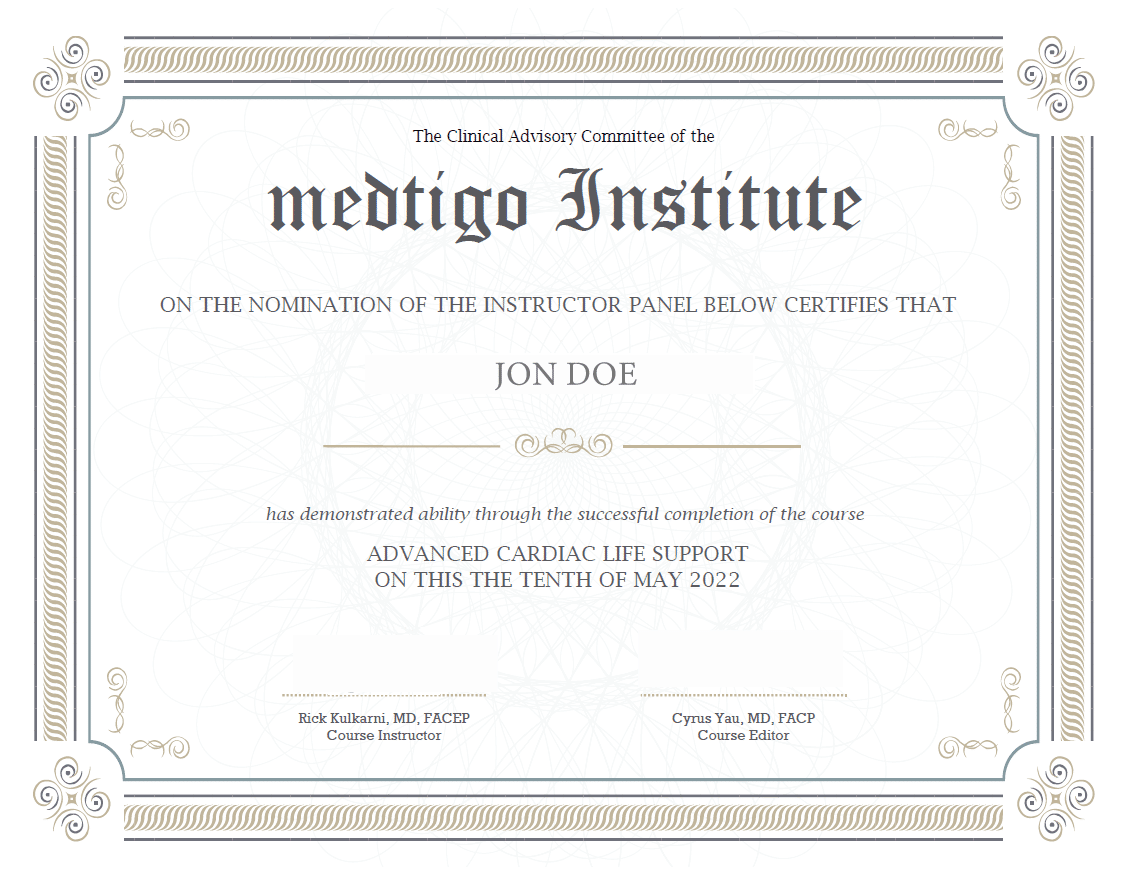
On course completion, you will receive a full-sized presentation quality digital certificate.
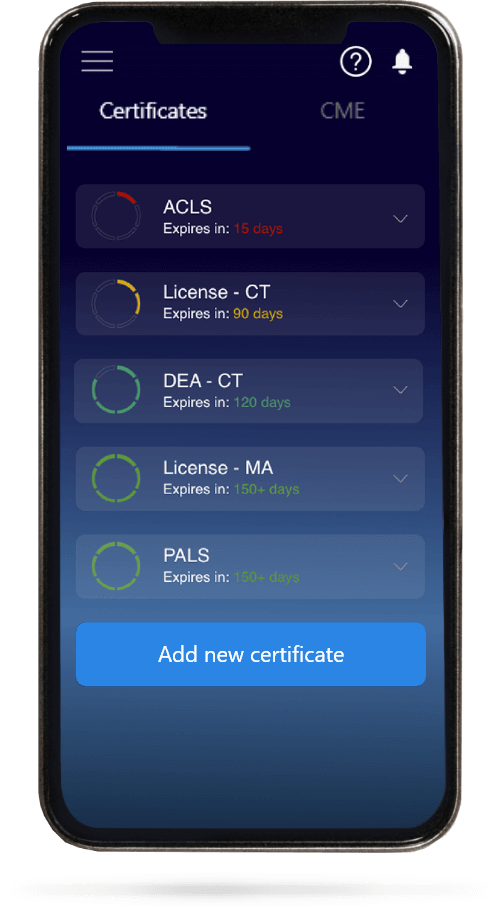
When you have your licenses, certificates and CMEs in one place, it's easier to track your career growth. You can easily share these with hospitals as well, using your medtigo app.