Rising Adoption of Continuous Glucose Monitors in Medicare Advantage: Trends from 2021–2023
April 13, 2026




Brand Name :
No Data Available.
Synonyms :
glyburide
Class :
Antidiabetics, Sulfonylureas



Brand Name :
No Data Available.
Synonyms :
glyburide
Class :
Antidiabetics, Sulfonylureas
Dosage forms & Strengths
Tablet
1.25 mg
2.5 mg
5 mg
Micronized Tablet
1.5 mg
3 mg
5 mg
6 mg
If CrCl<50 ml/min, use the medicine cautiously
In the case of severe hepatic impairment, avoid the medication
:
Regular tablets-
Initially, 2.5 to 5 mg orally each day
Maintenance dose- 1.25-20 mg orally each day or every 12 hours
Do not exceed 20 mg/day
For a dose of more than 10 mg/day, consider administration every 12 hours
Micronized tablets-
Initially, 1.5-3 mg orally each day
Maintenance dose- 0.75-12 mg orally each day
Do not exceed more than 12 mg/day
Patients at risk towards hypoglycemia-
Initially 0.75 mg orally each day
Transfer of insulin therapy to glyburide-
Insulin<20 units, discontinue it and start over glyburide: 2.5-5 mg/day and 1.5-3 mg/day for regular and micronized tablets respectively
Insulin 20-40 units, discontinue it and start over glyburide: 5 mg/day and 3 mg/day for regular and micronized tablets respectively
Insulin >40 units, decrease its dose and start over glyburide: 5 mg/day and 3 mg/day for regular and micronized tablets respectively
Based on patients’ response, increase the dose of glyburide by 1.25-2.5 mg and 0.75-1.5 mg/day for regular and micronized tablets respectively
Not recommended for pediatrics
Dosage forms & Strengths
Tablet
1.25 mg
2.5 mg
5 mg
Micronized Tablet
1.5 mg
3 mg
5 mg
6 mg
may diminish the therapeutic efficacy of each other when combined
may diminish the therapeutic efficacy of each other when combined
may diminish the therapeutic efficacy of each other when combined
may diminish the therapeutic efficacy of each other when combined
may diminish the therapeutic efficacy of each other when combined
may have an increased hypoglycemic effect when combined with sulfonylureas
may have an increased hypoglycemic effect when combined with sulfonylureas
may have an increased hypoglycemic effect when combined with sulfonylureas
may increase the hypoglycemic effect of Sodium-Glucose Cotransporter 2 Inhibitors
may increase the Glucose-lowering effect of SGLT2 Inhibitors
Dipeptidyl Peptidase-IV Inhibitors: they may increase the hypoglycemic effect of sulfonylureas
Dipeptidyl Peptidase-IV Inhibitors: they may increase the hypoglycemic effect of sulfonylureas
choline magnesium trisalicylate
May increase the hypoglycemic effect of each other when combined
may have an increased hypoglycemic effect when combined with sulfonylureas
may have an increased hypoglycemic effect when combined with sulfonylureas
may have an increased hypoglycemic effect when combined with sulfonylureas
may have an increased hypoglycemic effect when combined with sulfonylureas
may have an increased hypoglycemic effect when combined with sulfonylureas
may have an increased hypoglycemic effect when combined with sulfonylureas
meningococcal A C Y and W-135 diphtheria conjugate vaccine
may diminish the metabolism of each other when combined
may diminish the metabolism of each other when combined
may diminish the metabolism of each other when combined
may diminish the metabolism of each other when combined
may diminish the metabolism of each other when combined
may enhance the therapeutic efficacy of each other when used in combination
may enhance the therapeutic efficacy of each other when used in combination
may enhance the therapeutic efficacy of each other when used in combination
may enhance the therapeutic efficacy of each other when used in combination
may enhance the therapeutic efficacy of each other when used in combination
garcinia along with other antidiabetic drugs will lead to abrupt decease in blood sugar levels
may diminish the therapeutic efficacy of each other when combined
may diminish the therapeutic efficacy of each other when combined
may diminish the therapeutic efficacy of each other when combined
may diminish the therapeutic efficacy of each other when combined
may diminish the therapeutic efficacy of each other when combined
may diminish the therapeutic efficacy of each other when combined
may diminish the therapeutic efficacy of each other when combined
may diminish the therapeutic efficacy of each other when combined
may diminish the therapeutic efficacy of each other when combined
may diminish the therapeutic efficacy of each other when combined
may diminish the therapeutic efficacy of each other when combined
may decrease the therapeutic effect of corticosteroids
ciprofloxacin inhaled (Pending FDA approval)
may enhance the hypoglycemic effect of Quinolones
may diminish the therapeutic effect of hyperglycaemia associated agents
spironolactone and hydrochlorothiazide
may enhance the therapeutic efficacy of each other when used in combination
may enhance the therapeutic efficacy of each other when used in combination
may enhance the therapeutic efficacy of each other when used in combination
may enhance the therapeutic efficacy of each other when used in combination
may enhance the therapeutic efficacy of each other when used in combination
may enhance the anticoagulant effect
may enhance the anticoagulant effect
may enhance the anticoagulant effect
may enhance the anticoagulant effect
may enhance the anticoagulant effect
may decrease the therapeutic effect when combined with antidiabetic agents
may decrease the therapeutic effect when combined with antidiabetic agents
may decrease the therapeutic effect when combined with antidiabetic agents
may decrease the therapeutic effect when combined with antidiabetic agents
may decrease the therapeutic effect when combined with antidiabetic agents
relugolix/estradiol/norethindrone
androgens increase the effect of hypoglycemia in these agents
relugolix/estradiol/norethindrone
androgens increase the effect of hypoglycemia in these agents
androgens increase the effect of hypoglycemia in these agents
androgens increase the effect of hypoglycemia in these agents
androgens increase the effect of hypoglycemia in these agents
fibric acid derivatives increase the effect of hypoglycemia of sulfonylureas
fibric acid derivatives increase the effect of hypoglycemia of sulfonylureas
fibric acid derivatives increase the effect of hypoglycemia of sulfonylureas
fibric acid derivatives increase the effect of hypoglycemia of sulfonylureas
fibric acid derivatives increase the effect of hypoglycemia of sulfonylureas
may have an increased hypoglycemic effect when combined with hypoglycemic agents
may have an increased hypoglycemic effect when combined with hypoglycemic agents
may have an increased adverse/toxic effect when combined with alcohol
may decrease the therapeutic effect when combined with antidiabetic agents
may decrease the therapeutic effect when combined with antidiabetic agents
blood sugar levels can be seen additionally reduced when antidiabetic drugs are used in combination with anti glaucoma agents
beta-Blockers may enhance the hypoglycemic effect of sulfonylureas
beta-Blockers may enhance the hypoglycemic effect of sulfonylureas
beta-Blockers may enhance the hypoglycemic effect of sulfonylureas
beta-Blockers may enhance the hypoglycemic effect of sulfonylureas
beta-Blockers may enhance the hypoglycemic effect of sulfonylureas
may increase the hypoglycaemic effect
may increase the hypoglycaemic effect
may increase the hypoglycaemic effect
may increase the hypoglycaemic effect
may increase the hypoglycaemic effect
may enhance the serum concentration of CYP2C9 inhibitors
may increase the hypoglycemic effect of quinolones
may diminish the therapeutic effect of antidiabetic agents
may diminish the therapeutic effect of antidiabetic agents
may diminish the therapeutic effect of antidiabetic agents
may diminish the therapeutic effect of antidiabetic agents
choline magnesium trisalicylate
may enhance the hypoglycemic effect
may increase the hypoglycemic effect of beta blockers
may increase the hypoglycemic effect of beta blockers
may increase the hypoglycaemic effect of beta blockers
may diminish the therapeutic effect of thiazide and thiazide like diuretics
lisinopril/hydrochlorothiazide
may enhance the serum concentration of thiazide and thiazide like diuretics
methyldopa/hydrochlorothiazide
may diminish the therapeutic effect of thiazide and thiazide like diuretics
may increase the hypoglycemic effect of direct-acting viral agents
may increase the hypoglycemic effect of direct-acting antiviral agents
may enhance the hypoglycemic effect of beta blockers
may enhance the hypoglycemic effect of beta blockers
may increase the effect of antidiabetic agents
may increase the effect of antidiabetic agents
may increase the effect of antidiabetic agents
may increase the effect of antidiabetic agents
may increase the effect of antidiabetic agents
may increase the effect of antidiabetic agents
may enhance the effect of sulfonylureas
may enhance the effect of sulfonylureas
may enhance the effect of sulfonylureas
may enhance the effect of sulfonylureas
may enhance the effect of sulfonylureas
may enhance the effect of sulfonylureas
may increase the hypoglycemic effect of salicylates
may increase the hypoglycemic effect of hypoglycemia-associated agents
may increase the hypoglycemic effect
may increase the hypoglycemic effect
may increase the hypoglycemic effect
may increase the hypoglycemic effect
may increase the hypoglycemic effect
may increase the hypoglycemic effect
may increase the hypoglycemic effect
may increase the hypoglycemic effect
may increase the hypoglycemic effect
may increase the hypoglycemic effect
relugolix/estradiol/norethindrone
may enhance the hypoglycemic effect
relugolix/estradiol/norethindrone
may enhance the hypoglycemic effect
may enhance the hypoglycemic effect
may enhance the hypoglycemic effect
may enhance the hypoglycemic effect
may enhance the hypoglycemic effect
may enhance the hypoglycemic effect
may enhance the hypoglycemic effect
may enhance the hypoglycemic effect
may enhance the hypoglycemic effect
may enhance the hypoglycemic effect
may enhance the hypoglycemic effect
may enhance the hypoglycemic effect
may enhance the hypoglycemic effect
may enhance the hypoglycemic effect
may enhance the hypoglycemic effect
may enhance the hypoglycemic effect
may enhance the hypoglycemic effect
may enhance the hypoglycemic effect
may enhance the hypoglycemic effect
may enhance the hypoglycemic effect
may enhance the hypoglycemic effect
may enhance the hypoglycemic effect
may enhance the hypoglycemic effect
may enhance the hypoglycemic effect
may enhance the hypoglycemic effect
may enhance the hypoglycemic effect
may enhance the hypoglycemic effect
may enhance the hypoglycemic effect
may diminish the therapeutic effect
may diminish the therapeutic effect
may decrease the therapeutic effect when combined with antidiabetic agents
may decrease the therapeutic effect when combined with antidiabetic agents
may decrease the therapeutic effect when combined with antidiabetic agents
may decrease the therapeutic effect when combined with antidiabetic agents
may decrease the therapeutic effect when combined with antidiabetic agents
may decrease the therapeutic effect of Hyperglycemia-Associated Agents
antidiabetic agents may have a reduced therapeutic effect when used together with ritodrine
may have an increased hypoglycemic effect when combined with antidiabetic agents
may have an increased hypoglycemic effect when combined with antidiabetic agents
may have an increased hypoglycemic effect when combined with antidiabetic agents
estrogens esterified/methyltestosterone
may increase the hypoglycemic effect of androgens
drospirenone/ethinyl estradiol/levomefolate
may decrease the therapeutic effect of Hyperglycemia-Associated Agents
may decrease the therapeutic effect of Antidiabetic Agents
may increase the Glucose-lowering effect of Antidiabetic Agents
It may intensify the hypoglycemic effect of sulfonylureas
It has the potential to amplify the hypoglycemic impact of sulfonylureas
It decreases the efficacy of antidiabetic agents
it increases the effect of hypoglycemia on antidiabetic agents
may enhance the hypoglycemic effect of each other when combined
may decrease the therapeutic effect of Hyperglycemia-Associated Agents
cyproterone and ethinyl estradiol
may decrease the therapeutic effect of Hyperglycemia-Associated Agents
alpha-lipoic acid: they may increase the hypoglycemic effect of antidiabetic drugs
bortezomib: they may increase the therapeutic effect of antidiabetic drugs
they increase the effect of antidiabetic agents
probenecid could potentially lead to an elevation in the concentration serum of sulfonylureas
may have an increased hypoglycemic effect when combined with hypoglycemic agents
may have an increased hypoglycemic effect when combined with hypoglycemic agents
may have an increased adverse/toxic effect when combined with alcohol
may have an increased hypoglycemic effect when combined with antidiabetic agents
may have an increased hypoglycemic effect when combined with antidiabetic agents
may have an increased hypoglycemic effect when combined with sulfonylureas
may have an increased hypoglycemic effect when combined with sulfonylureas
may have an increased hypoglycemic effect when combined with sulfonylureas
may have an increased hypoglycemic effect when combined with sulfonylureas
may have an increased hypoglycemic effect when combined with sulfonylureas
may have an increased hypoglycemic effect when combined with sulfonylureas
may have an increased hypoglycemic effect when combined with sulfonylureas
may have an increased hypoglycemic effect when combined with sulfonylureas
lansoprazole, amoxicillin, and clarithromycin
may have an increased hypoglycemic effect when combined with sulfonylureas
may have an increased hypoglycemic effect when combined with sulfonylureas
may have an increased hypoglycemic effect when combined with sulfonylureas
may have an increased hypoglycemic effect when combined with sulfonylureas
may have an increased hypoglycemic effect when combined with sulfonylureas
bismuth subcitrate, metronidazole and tetracycline
may have an increased hypoglycemic effect when combined with sulfonylureas
may have an increased hypoglycemic effect when combined with sulfonylureas
may have an increased hypoglycemic effect when combined with sulfonylureas
may have an increased hypoglycemic effect when combined with sulfonylureas
may have an increased hypoglycemic effect when combined with sulfonylureas
relugolix/estradiol/norethindrone
may have an increased hypoglycemic effect when combined with hypoglycemic agents
may have an increased hypoglycemic effect when combined with hypoglycemic agents
may have an increased hypoglycemic effect when combined with hypoglycemic agents
may have an increased hypoglycemic effect when combined with hypoglycemic agents
may have an increased hypoglycemic effect when combined with hypoglycemic agents
etilefrine: they may decrease the therapeutic effect of antidiabetic agents
may have an increased hypoglycemic effect when combined with antidiabetic agents
may have an increased hypoglycemic effect when combined with sulfonylureas
may have an increased hypoglycemic effect when combined with sulfonylureas
may have an increased hypoglycemic effect when combined with antidiabetic agents
dipeptidyl peptidase-IV inhibitors increase the effect of hypoglycemia of sulfonylureas
dipeptidyl peptidase-IV inhibitors increase the effect of hypoglycemia of sulfonylureas
Glibenclamide binds to the sulfonylurea receptors on the β cells of pancreas. It opens up the ATP-sensitive K channels and depolarizations of cell membrane. It activates the release of insulin from the β cells and decreases the levels of blood glucose.
Glibenclamide increases the sensitivity of peripheral tissues to the insulin and reduces the levels of blood glucose.
Spectrum:
Glibenclamide has wide spectrum activity. It is useful to manage the blood glucose level in pateints who have type 2 diabetes mellitus. It is used along with other drugs like metformin to get the control on the blood glucose level.
Frequency not defined
Angioedema
Rash
Urticaria
Pruritis
Heartburn
Photosensitivity
Vasculitis
Nocturia
Hyponatremia
Hemolytic anemia
Agranulocytosis
Thrombocytopenia
Pancytopenia
Paresthesia
Blurred vision
Myalgia
Hypoglycemia
Minor diuretic effect
Erythema
Dermatitis
Weight gain
None
Type 1 diabetes mellitus
Diabetic ketoacidosis
Severe liver disease
Kidney disease
Hypersensitive to glibenclamide or sulfonylurea medication
Breastfeeding and pregnancy
Precautions:
Hypoglycemia: Glibenclamide can reduce the blood glucose level to treat the hypoglycemia. It is a dangerous disease specifically in old adults or patients who have impaired function of liver or kidney. Adjustment to the dosage is necessary to treat hypoglycemia.
Cardiovascular disease:
Ther are some reports of elevated risk of cardiovascular events in patients who are taking glibenclamide. It is used with caution in patients who have any history of cardiovascular disease.
Adrenal or pituitary insufficiency: Glibenclamide
Can interfere with the release of glucagon in patients who have pituitary or adrenal insufficiency. Close monitoring is necessary in patient who have this disease.
Alcohol consumption: Alcohol consumption can elevate the risk of hypoglycemia in patients who are taking glibenclamide.
Pregnancy consideration:
Category C
Breastfeeding warnings:
No data is available about the excretion of glibenclamide in breast milk. Avoid using in lactating women.
Pregnancy category:
Category A: Satisfactory and well-controlled studies show no risk to the fetus in the first or later trimester.
Category B: No evidence of risk to the fetus is found in animal reproduction studies, and there are not enough studies on pregnant women.
Category C: Adverse effects on the fetus found with evidence in animal reproduction studies and no adequate evidence for a human product; Pregnant women must take care of the potential risks.
Category D: There is adequate data with sufficient evidence of human fetal risk from various platforms. However, despite potential dangers may be used only in emergencies for potential benefits.
Category X: Drugs listed in this category outweigh the risks over benefits. The drug is not for pregnant women.
Category N: No data is available for the drug under this category.
Glibenclamide or glyburide is a sulfonylurea drug. It is used to treat the type 2 diabetes mellitus. It stimulates the release of insulin form the β cells of pancreas. It reduces the levels of glucose in the blood.
Glibenclamide binds to the sulfonylurea receptors (SUR) on the β cells. It comes near to the ATP sensitive K channel (KATP) and depolarizes the cell membrane. This process opens the voltage dependent Ca2+ channels and Ca activates the release of insulin form the β cells.
Glibenclamide has a fast action. The peak concentration is occurred in 2 to 4 hours after the administration. Liver metabolizes glibenclamide and excreted in the urine.
Glibenclamide has other effects in the metabolism of glucose like increase the sensitivity of insulin in the peripheral tissue and reduce the production of hepatic glucose.
Glibenclamide is used along with other lifestyle modifications like exercise and diet. They can also manage the type 2 diabetes mellitus. It is also available in the form of immediate release tablets. It must be taken with the food to prevent any side effects to gastrointestinal trac lie upset stomach and nausea.
Pharmacodynamics:
Glibenclamide has a fast action with a peak effects in 2 to 4 hours after the administration. It has a short duration of action. The effects last for 12 to 24 hours on the basis of dosage.
Pharmacokinetics:
Absorption
The bioavailability of glibenclamide can differ on the basis of oral doses. It takes 15 to 60 minutes for the cation after the 1st dosage. Duration of action is below 24 hours and the distribution volume is about 9 to 10 L.
The peak serum level is achieved in 2 to 4 hours in adults.
Distribution
About 99 %, it binds to the protein.
Metabolism
It is metabolized in the liver to the less active metabolites like 4-trans-hydroxyglyburide and 3-cis-hydroxyglyburide.
Elimination and Excretion
The ½ life is about 10 hours for DiaBeta and 4 hours for PresTab and Glynase. About 50 % of the drug eliminates from the body through the urine and 50% by the feces.
Glibenclamide is used to treat type 2 diabetes mellitus. It is taken 1 or 2 times a day with the determination of dosage and time by the healthcare provider on the basis of blood glucose levels and response to the treatment.
Glibenclamide is available in the form of immediate-release tablets. It must be taken with food to avoid side effects of GI tract like nausea and upset stomach. This tablet is taken before 30 minutes of the meal.
The dosage is depend on the many factors like blood glucose levels, kidney function and response to the treatment. It is crucial to take the medication as per the suggestion of the healthcare provider to get the more benefit.
Any missing dosage of glibenclamide may increase the blood glucose levels and taking more than prescribing dosage can reduce the blood glucose levels. If you miss any dosage, take it as early as possible before the next dosage, or else skip the dosage if the time interval is not much. Continue the next dosage on a regular basis. Do not take double dosage to cop up with the missing dosage.
Generic Name: glibenclamide
Pronounced: gli-ben-clay-mide
Why do we use glibenclamide?
Glibenclamide is an oral medication which is used to treat type 2 diabetes mellitus. It comes form the sulfonylurea class. It stimulates the release of insulin from the β cells of the pancreas. It reduces the blood glucose levels in patients who can not control it by the help of exercise and diet. It is prescribed with the lifestyle modifications like exercise and diet. It is also used with other medications like metformin.
It is effective and safe if it is used properly and as per the suggestion of the healthcare provider.
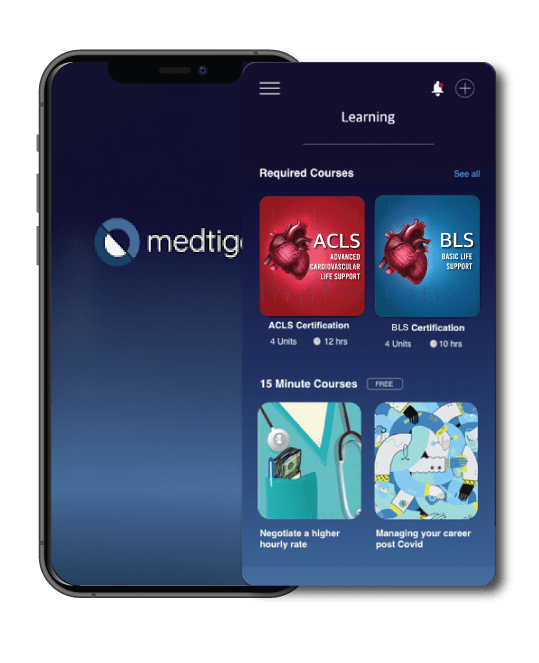
Both our subscription plans include Free CME/CPD AMA PRA Category 1 credits.
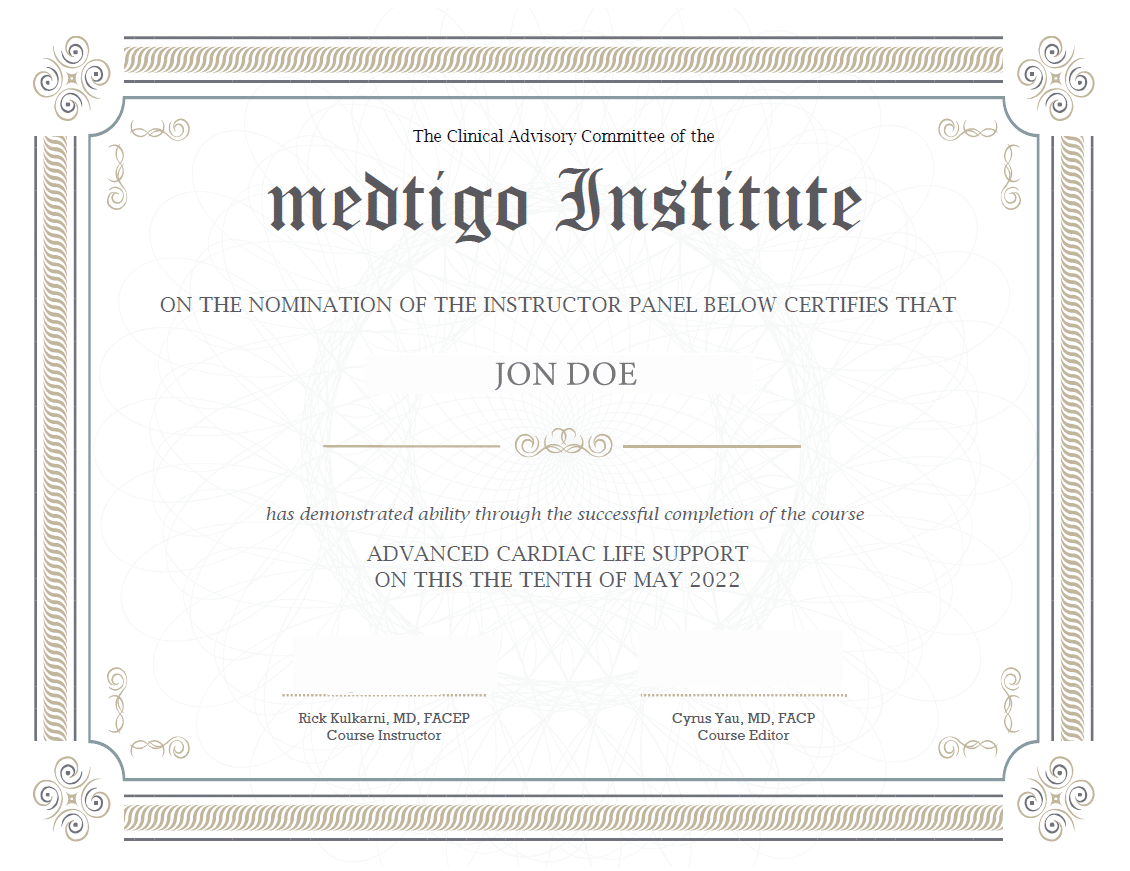
On course completion, you will receive a full-sized presentation quality digital certificate.
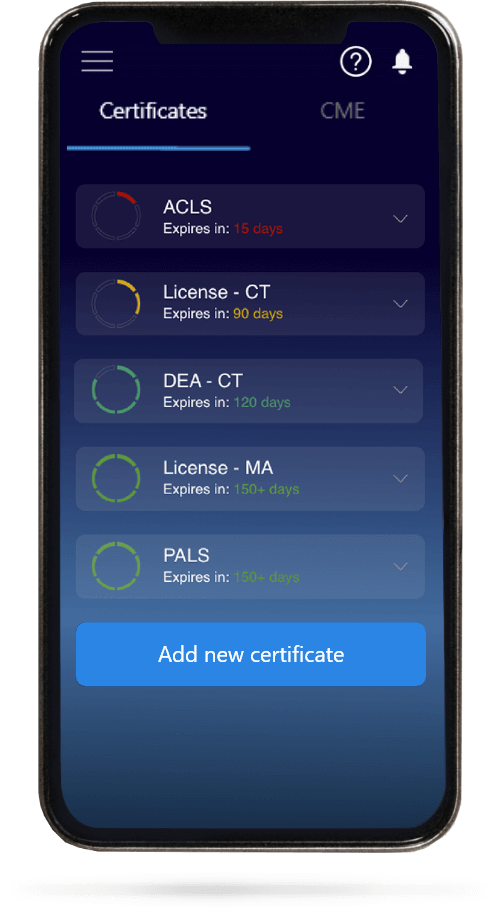
When you have your licenses, certificates and CMEs in one place, it's easier to track your career growth. You can easily share these with hospitals as well, using your medtigo app.